
 K-Drama



Through Mountains and Melodies
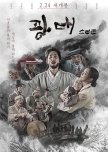
The Singer was such a heart-warming experience for me, especially because it’s rooted in Korea’s traditional art of pansori. Before watching this movie, I didn’t fully understand what Pansori, and this is why I want to provide some context, so if you are planning to watch this movie, you will have a better understanding of it.
What is Pansori?
Pansori is a traditional Korean musical storytelling performance done by one singer and one drummer. It dates back to the Joseon Dynasty and was originally performed for common people. A single performance can last from 3 to 8 hours and sometimes days. It’s not just singing; it combines narration and acting, all accompanied by a single drum.
Plot**
The story follows Hak-gyu, a talented pansori singer whose voice can warm any heart. When his wife and daughter are kidnapped, his world completely falls apart. He eventually finds his daughter, but she has lost her vision, and he still has no idea who took his wife or where she is. With no power or connections to rely on, the only thing he truly has is his voice. So he travels from place to place, performing pansori, not just to survive, but to search for his wife and to console his daughter.
What touched me the most was how his singing became more than just a performance. It was his grief. His love. His desperation. Through his songs, he almost rewrites his own life, imagining gentler endings and happier outcomes than reality allows. When he sings, he is not only singing to an audience but to his blind daughter, painting pictures for her through words and melody, creating a world she can no longer see. Be prepared to feel all the feels.
Even though I don’t understand Korean, I didn’t need to. The emotion in his voice was enough. I had goosebumps while listening to him. I could feel the sorrow, the longing, and the love in every note. It honestly felt like he was pouring his entire soul into those performances. Honestly so heartbreaking !
For me, The Singer isn’t just a period film. It’s a celebration of Korea’s cultural heritage and a reminder that art can carry both suffering and healing at the same time. It showed me that when everything else is taken away, sometimes your voice is the only thing left and that voice can still hold hope.
Said that I hope you will take time to appreciate this movie and enjoy a part of Korean history.
What is Pansori?
Pansori is a traditional Korean musical storytelling performance done by one singer and one drummer. It dates back to the Joseon Dynasty and was originally performed for common people. A single performance can last from 3 to 8 hours and sometimes days. It’s not just singing; it combines narration and acting, all accompanied by a single drum.
Plot**
The story follows Hak-gyu, a talented pansori singer whose voice can warm any heart. When his wife and daughter are kidnapped, his world completely falls apart. He eventually finds his daughter, but she has lost her vision, and he still has no idea who took his wife or where she is. With no power or connections to rely on, the only thing he truly has is his voice. So he travels from place to place, performing pansori, not just to survive, but to search for his wife and to console his daughter.
What touched me the most was how his singing became more than just a performance. It was his grief. His love. His desperation. Through his songs, he almost rewrites his own life, imagining gentler endings and happier outcomes than reality allows. When he sings, he is not only singing to an audience but to his blind daughter, painting pictures for her through words and melody, creating a world she can no longer see. Be prepared to feel all the feels.
Even though I don’t understand Korean, I didn’t need to. The emotion in his voice was enough. I had goosebumps while listening to him. I could feel the sorrow, the longing, and the love in every note. It honestly felt like he was pouring his entire soul into those performances. Honestly so heartbreaking !
For me, The Singer isn’t just a period film. It’s a celebration of Korea’s cultural heritage and a reminder that art can carry both suffering and healing at the same time. It showed me that when everything else is taken away, sometimes your voice is the only thing left and that voice can still hold hope.
Said that I hope you will take time to appreciate this movie and enjoy a part of Korean history.
Was this review helpful to you?


