There is a twist in Ep4 regarding it and he is very much obsessed with Fang Zhou and Liu Yan, to the level he…
It started from a misunderstanding and he did some things out of his hatred for Tang Lici and others out of being manipulated by Gui Mudan. All in all he is also just a pawn in this big game aimed at destroying the world, just as mentioned in the synopsis. If you have seen Till The End Of The Moon, it’s similar to how Ancient devil god pre-planned everything. A big set-up laid by the big villain for Tang Lici.
There is a twist in Ep4 regarding it and he is very much obsessed with Fang Zhou and Liu Yan, to the level he…
Liu Yan has become such a tragedy himself, he is not just causing this harm to Tang Lici but also to himself and he will regret doing all of this. I can give you some spoilers if you don’t mind?
Can someone explain to me what exactly is Zhoudi Tower?
The Sect in which Tang Lici, Liu Yan, Fu Zhumei & Fang Zhou resided is called "Zhou Di Lou (周睇楼)" In ancient Chinese, "Zhou Di (周睇)" refers to "looking around", symbolizing a broad vision and a sense of vast artistic conception.
The Sect is known for a unique technique that is "Sonic Annihilation/Sound Kill". As the members of the Sect each member is associated with their own signature instruments/weapons. Committed to upholding peace and justice, they strive to protect harmony wherever possible.
Fang Zhou, the senior brother, inherited the tradition of "Guqin" playing.
Fu Zhumei, the second eldest, inherited the drums.
Liu Yan, the second youngest, inherited the Pipa.
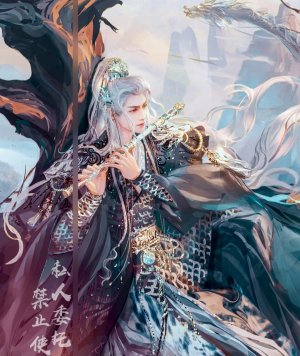
Tang Lici, the youngest brother, inherited the "Silver-Inlaid Jade Flute". A flute with the head of a fox dragon, brimming with artistic imagination with its sound bearing the roar/chant of a dragon. However Tang Lici’s weapon is also Guqin.
Some of these scenes between Tang Lici and Fang Zhou are so dear to me.
Fang Zhou saved him from the sea of suffering, gave him love, tolerance, and trust, taught him the meaning of life, and was his spiritual leader. Tangjia only truly began to have a "Home" after obtaining the name "Lici" and Fang Zhou’s death was the end of his beautiful life and the beginning of his lifelong longing.


 5
5  2
2 


The Sect is known for a unique technique that is "Sonic Annihilation/Sound Kill". As the members of the Sect each member is associated with their own signature instruments/weapons. Committed to upholding peace and justice, they strive to protect harmony wherever possible.
Fang Zhou, the senior brother, inherited the tradition of "Guqin" playing.
Fu Zhumei, the second eldest, inherited the drums.
Liu Yan, the second youngest, inherited the Pipa.
Tang Lici, the youngest brother, inherited the "Silver-Inlaid Jade Flute". A flute with the head of a fox dragon, brimming with artistic imagination with its sound bearing the roar/chant of a dragon. However Tang Lici’s weapon is also Guqin.
“What is the relationship between Tang Lici and the Yique Yin Yang (Yin Yang Fawang)?”
The official weibo is more impatient than the fans, dare I say the relationship between them is soulmatisim?
https://weibo.com/7877145645/QaLFZswwl
Fang Zhou saved him from the sea of suffering, gave him love, tolerance, and trust, taught him the meaning of life, and was his spiritual leader. Tangjia only truly began to have a "Home" after obtaining the name "Lici" and Fang Zhou’s death was the end of his beautiful life and the beginning of his lifelong longing.