
 Celebrity



This review may contain spoilers
The Road to Splendor is Not Paved with Gold.
It’s paved with a shit ton of fucking salt, and blood, and sweat…and tearsWe wouldn’t have needed to go through half of what we went through had zhao ling reconciled with his insecurities earlier on (like when it almost cost him his life and the life of his brothers) but that would require him to share them with her and he seemed to be allergic to doing that.
He was convinced that he needed to rise through the ranks to be worthy of her. Like it was his job to make up for all that she’d lost back in huayin. But he never noticed that while in ganlin, tingyun became accustomed to their life. Tingyun became a part of the community, she made it her home. Tingyun was content. He was the one who wanted more, who kept climbing and it almost killed their relationship.
But I digress.
Ding yuxi, please, acting is not 85% posturing. I’m begging someone to direct you otherwise.
Was this review helpful to you?

The Scandal
I am puzzled by the negativity this drama received . People seem to want chemistry , romance , plot , pace .It is a different drama . It is not a romantic drama , when one understands that the main characters play a dangerous game and do not show outwardly any emotions , there is no need for chemistry , because all is fake . The pace is slower because ladies of a certain rank , in the Joseon era , were captives of their status , thrown into arranged marriages all was asked of them was to do was to be supportive of their husbands careers and produce an heir . There was not much else for them to do but smoke , or play games or gossip . The plot develops from a mere bet into a sad , tragic story where the characters are worse off at the end than they were at the beginning . Their entertainment was to destroy a woman's life , as a means of regaining some control over their lives , and love life . It all goes wrong , because in the end their own tangled emotions blur the outcome . it is a drama visually beautiful ( some scenes are framed like in a painting ) , to look at , great script and original OST , but these main actors , at the top of their game , gave flesh and blood to very dislikable characters , gave them feelings and at the end you feel so sorry for them . At least I did . I loved this challenging drama which took us out of our comfort zone . Congratulations to the cast and director . A drama difficult to forget or surpass.
Was this review helpful to you?
This review may contain spoilers
A heartwarming gift to the queer community
I was wondering whether Servant Prince really needed a special episode, and especially when I heard it was about a camping trip, I felt like it was something I could pass without really missing out.I'm so glad I was wrong!!
Almost every episode of Servant Prince touched my heart, but this one felt extra special. So many people in the queer community lack the privilege of having elders who can model healthy, long-term relationships. It meant so, so, so much to me to see Naoya & Takaaki build a community with Mori-san & his partner. Mori-san really is the father Naoya never had, and him taking on the role of a queer elder on top of that is so meaningful - I really don't have the words.
In my review of Servant Prince, I talked about how this show is an interesting exploration of desire, even though on the surface it might look like your average BL. This special episode confirms my thoughts that there are important conversations being had here, without it getting preachy or feeling contrived. So glad to have discovered this; Naoya & Takaaki might be gone from my screen, but they'll live in my heart for a long time.
Was this review helpful to you?
Oh my God
Oh my God, what am I looking at?
Oh my God, what am I looking at?
Oh my God, what am I looking at?
Oh my God, what am I looking at?
Oh my God, what am I looking at?
Was this review helpful to you?

This review may contain spoilers
Skip the full-length drama version and watch this instead
Watched on the Bump app with English subtitles!As someone who was publically underwhelmed by the longform version of this story, I think it's kind of my duty now that I've watched this version to compare the two and give my recommendation so you can save drama watching time.
When I started this one, I didn't even realize it was another adaptation of the same work until I looked it up, which is pretty telling of how little of an impression the MBS drama left. Given that this is a fraction of the runtime, there is obviously not enough time to really flesh out the backgrounds of the two main characters, but I think that's a point in this version's favor. The only thing unique/interesting about this story is the premise, which this version preserves while cutting a lot of the filler and cliche, and I liked that this ends on a more open, friendly note between Teito and Karen rather than them explicitly getting together because it made their romance feel more organic rather than plot convention. I also think the two leads have more chemistry than their longform counterparts and are personally more my taste visually lol.
Neither version is the pinnacle of their craft by any means, so if you just want a cute, quick watch, the efficiency of this version alone makes it a better experience in my eyes, and I would even say that it holds up on its own as one of the better vertical dramas in general.
Was this review helpful to you?

Dare You to Death — 10/10
Dare You to Death had me in a serious chokehold! 😭🔥 From the moment I started watching, I knew I was going to have a hard time letting this one go.JoongDunk Their chemistry was everything I wanted and more. The tension between them, the emotional moments, the way they looked at each other — PLEASE! 😭❤️ How am I supposed to watch something like this and remain normal?
I loved the combination of romance, suspense, drama, and emotional intensity. The story kept giving me reasons to continue watching, but honestly, even when I already knew what was coming, I still wanted to experience it again.
And yes, I have REWATCHED THIS SERIES MULTIPLE TIMES! 😂😭 I keep telling myself, "I'll just watch this one scene," and before I know it, I'm several episodes deep again. That's how you know a BL has really gotten to me.
The leads have that kind of chemistry that makes you want to replay scenes just to experience the emotions again. There are moments that stay in your mind even after you've finished the series.
Dare You to Death is officially one of those BLs I can't completely move on from.
10/10 — the chemistry, the emotions, the tension, the story… EVERYTHING! 🔥❤️ I will absolutely keep coming back for another rewatch.
Was this review helpful to you?

Ten over Ten
Where do I even begin with this series? 😭❤️ The Wicked Game completely pulled me in and refused to let me go. The chemistry between Khaotung Thanawat and First Kanaphan was honestly one of the biggest reasons I became so obsessed with this series.Their chemistry felt so natural, intense, and addictive. Every look, every little interaction, every emotional scene had me completely invested. There were moments when I found myself smiling at my screen like a fool, and other moments when I was so emotionally invested that I had to pause and breathe. 😂😭
I loved the way the story kept me interested and how the relationship between the leads continued to develop. It gave me romance, tension, emotions, and those little moments that stay in your head long after an episode ends.
And the biggest problem? I CAN'T SEEM TO LET IT GO! 😭 I keep going back to rewatch my favourite scenes, and somehow every rewatch makes me fall for the characters and their chemistry all over again.
Some BLs you watch once and move on. The Wicked Game is definitely not one of them for me. This is one of those series I can randomly remember and immediately feel the urge to start watching again.
10/10. Absolutely addictive, emotionally satisfying, and completely rewatch-worthy. I’m obsessed! 🖤🔥
Was this review helpful to you?

Amazing drama
The Prophet (2026); 10/10I really enjoyed watching this drama. It was amazing, entertaining, and honestly very fun to watch from beginning to end. The story kept me curious about what would happen next, and there were plenty of interesting moments that made me want to continue watching instead of stopping halfway.
What I liked most is that the drama gave me that feeling of wanting to know what happens in the next episode. The characters, story, mystery, and different situations made the drama enjoyable for me as a viewer. Some parts were surprising, some were funny, and some moments made me seriously think about what was going on.
I’m not a professional drama critic, so I’m rating this simply as an ordinary viewer who enjoyed the experience. For me, a drama doesn’t need to be perfect in every single detail if it can keep me entertained and make me look forward to the next episode. This one definitely did that.
Overall, I had a great time watching The Prophet. It was interesting, exciting, and entertaining, and I would happily recommend it to viewers who enjoy Chinese dramas with mystery, drama, and an engaging story.
My rating: 10/10 ⭐⭐⭐⭐⭐⭐⭐⭐⭐⭐
For me, this is definitely one of those dramas where you watch one episode and then think, “Okay, just one more.” 😂
Was this review helpful to you?
This review may contain spoilers
The Paradox of Appearance: When Maturity Wins Over Clichés (Despite the Usual Silences)
[Italian Version Below / Versione Italiana in Basso]ENG
Why I Dress Up for Love belongs to a genre — Japanese rom-coms — that is too often populated by childish female leads and toxic, outdated shojo manga dynamics. In this landscape, this 10-episode series is a breath of fresh air. It portrays real 27-year-olds with genuine careers, navigating the weight of social expectations and the anxiety of social media validation.
~ The Strengths: Growth and Stripping Away the Noise ~
The core strength of the drama lies in the chemistry between Mashiba (played by a solid, grounded Haruna Kawaguchi) and Shun. His minimalist philosophy is not just a quirky character trait; it becomes the catalyst that helps her shed her "costume" (her Instagram filters and career-driven anxiety) to find her authentic self. The shared-house setting offers moments of genuine warmth, and the ensemble cast works beautifully together, elevated by gorgeous cinematography and stylish directing.
~ The Weaknesses: The President’s Shadow and Chronic Miscommunication ~
The story hits a rough patch in episodes 8 and 9, where the writers succumb to the most frustrating cliché: the artificial love triangle. President Hayami’s intrusion exploits Mashiba's temporary passivity and Shun's tendency to shut down, dragging the viewer into a festival of unspoken feelings typical of Japanese melodramas. This narrative detour causes more irritation than actual dramatic tension, only to be hastily resolved in the finale with a convenient time-jump where everyone gets a neatly wrapped happy ending and a collective wedding.
~ The Verdict: A Highly Satisfying Compromise ~
Despite the pacing issues near the end and a few too many silences that will test the patience of more analytical viewers, Why I Dress Up for Love remains one of the most mature and visually stunning Asian rom-coms of recent years. By ditching hysterical caricatures in favor of characters who — despite their communication flaws — actually try to grow, it delivers a genuinely rewarding watch.
Recommended for: Viewers looking for a mature Japanese rom-com, fans of minimalist lifestyles, lovers of aesthetically pleasing shared-house dramas, and anyone who appreciates realistic character growth.
---
ITA
Il Paradosso dell'Apparenza: Quando la Maturità Vince sui Cliché (Nonostante i Soliti Silenzi)
Why I Dress Up for Love appartiene a un genere — quello delle commedie romantiche giapponesi — troppo spesso popolato da protagoniste infantili e da dinamiche tossiche o superate da shojo manga. In questo panorama, questa serie in 10 episodi rappresenta una vera boccata d'aria fresca. Racconta ventisettenni reali, con carriere vere, che affrontano il peso delle aspettative sociali e l'ansia da prestazione legata alla validazione sui social media.
~ I Punti di Forza: Crescita e Riconquista dell'Essenziale ~
Il vero punto di forza del drama risiede nella chimica tra Mashiba (interpretata da una solida e concreta Haruna Kawaguchi) e Shun. La filosofia minimalista di lui non è un semplice tratto caratteriale eccentrico, ma diventa il catalizzatore che aiuta lei a spogliarsi del suo "costume" (i filtri di Instagram e la frenesia della carriera) per ritrovare la propria natura autentica. L'ambientazione della casa condivisa regala momenti di sincero calore, e il cast secondario funziona a meraviglia, valorizzato da una fotografia splendida e da una regia di gran classe.
~ Le Debolezze: L'Ombra del Presidente e l'Incomunicabilità Cronica ~
La storia subisce una battuta d'arresto negli episodi 8 e 9, quando gli sceneggiatori cedono al cliché più frustrante: il triangolo amoroso artificiale. L'intrusione del Presidente Hayami fa leva sulla temporanea passività di Mashiba e sulla tendenza di Shun a chiudersi in se stesso, trascinando lo spettatore in un festival di non-detti tipico del melodramma giapponese. Questa deviazione narrativa genera più irritazione che reale tensione drammatica, per poi essere risolta frettolosamente nel finale con un comodo salto temporale in cui tutti ottengono un lieto fine infiocchettato e un matrimonio collettivo.
~ Il Giudizio Finale: Un Compromesso Molto Soddisfacente ~
Nonostante i problemi di ritmo sul finale e qualche silenzio di troppo che metterà a dura prova la pazienza degli spettatori più analitici, Why I Dress Up for Love resta una delle commedie romantiche asiatiche più mature e visivamente affascinanti degli ultimi anni. Rinunciando a caricature isteriche in favore di personaggi che — pur con i loro limiti comunicativi — provano davvero a crescere, offre una visione genuinamente appagante.
Consigliato a: Chi cerca una commedia romantica giapponese matura, gli amanti dello stile di vita minimalista, chi apprezza le storie di convivenza esteticamente curatissime e chiunque cerchi personaggi in crescita reale.
Was this review helpful to you?

Guyyyyys this is hot ?
I’m sorry, but I’m OBSESSED with this series!!! 😭🔥 FirstKhaotung and JoongDunk completely owned my heart. First Kanaphan as Kant and Khaotung Thanawat as Bison??? THE CHEMISTRY!!! And then Joong as Fadel and Dunk as Style just made everything even more addictive. 😩❤️The tension, the flirting, the jealousy, the angst, the comedy, the action… EVERYTHING had me screaming at my screen! 😭 I went into this expecting a good BL and somehow came out emotionally attached to these four men.
And honestly, I keep going back to rewatch it because apparently one time was NEVER enough! 😂 Every rewatch hits differently, and I still find myself smiling, screaming and falling for the characters all over again.
This is one of those BLs I simply CANNOT DROP. The chemistry is insane, the characters are unforgettable, and my heart clearly has no intention of moving on. 😭❤️🔥
Rating: 10/10 ⭐⭐⭐⭐⭐⭐⭐⭐⭐⭐
Would I rewatch it again? ABSOLUTELY. I’M ALREADY THERE. 😂❤️🔥
Was this review helpful to you?
This review may contain spoilers
How to Have Your Intelligence Insulted in 17 Easy Installments
[Italian Version Below / Versione Italiana in Basso]ENG
~ The Verdict ~
Fraudulently marketed as a "romantic comedy," this drama is actually an experiment in television sadism that defies the laws of physics and human dignity. The plot deliberately ignores the Gaussian curve of common sense to focus solely on the absolute peak of nonsense and absurdity.
The narrative climax is reached when, after enduring fake marriages, real infatuations, and actual divorces, the two leads crown their emotional journey with the most chilling finale in TV history: a two-minute flat corporate handshake. Truly ideal for signing a photocopier leasing contract, but decidedly out of place for a love story.
~ Pros ~
Excellent as a potent emotional anesthetic (causing the instant hibernation of any romantic impulse) and perfect when paired with liters of therapeutic Red Bull to survive the endless rivers of unjustified tears.
~ Rating ~
1 Star (awarded exclusively as a tribute to Yoon-a’s biological endurance and the viewer's sheer stoicism).
---
ITA
Come farsi insultare l'intelligenza in 17 comode puntate
~ Il Giudizio ~
Spacciato truffaldinamente per una "commedia romantica", questo drama è in realtà un esperimento di sadismo televisivo che sfida le leggi della fisica e della dignità umana. La trama ignora deliberatamente la curva gaussiana del buon senso per concentrarsi unicamente sul picco assoluto del nonsense e dell'assurdo.
Il climax narrativo viene raggiunto quando, dopo aver sopportato finti matrimoni, vere infatuazioni e reali divorzi, i due protagonisti coronano il loro percorso emotivo con il finale più gelido della storia della TV: una stretta di mano aziendale da due minuti netti. Veramente ideale per la firma di un contratto di leasing di una fotocopiatrice, ma decisamente fuori luogo per una storia d'amore.
~ Pro ~
Eccellente come potente anestetico emotivo (provoca l'ibernazione istantanea di qualsiasi slancio romantico) e perfetto se accompagnato da litri di Red Bull terapeutica per sopravvivere ai fiumi interminabili di lacrime ingiustificate.
~ Voto ~
1 Stella (assegnata esclusivamente come tributo alla resistenza biologica di Yoon-a e al mero stoicismo dello spettatore).
Was this review helpful to you?
This review may contain spoilers
The Art of Overcomplicating Life (With a Detour to Paris)
[Italian Version Below / Versione Italiana in Basso]ENG
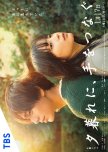
Oto and Soramame are two artistic souls sharing a roof, inspiring each other, and spending ten whole episodes not talking to each other — victims of exhausting misunderstandings and a script that heavily relies on '90s TV clichés.
~ The Stroke of Genius (A True Breath of Fresh Air) ~
In a sea of stale rom-com tropes, the series nails a moment of profound emotional sensitivity: the expected love triangle gets completely flipped on its head.
Seira, the singer, isn't your typical spiteful rival chasing the male lead. Her bond with Oto isn't a threat, but a shared heartbreak: she is in love with Soramame too!
Her line, "We're in the same boat, we've both been rejected," is a rare gem. It completely shatters toxic female rivalry and offers a fresh, poetic, and moving take on Soramame's magnetic charm — a girl who effortlessly captures the heart of anyone in her orbit. A modern, deeply empathetic, and beautifully written moment.
~ Other Highlights ~
Karma's Revenge: Soramame shutting down the opportunistic Isobe by throwing his own cynical words about love and work right back in his face. An absolute masterclass in roasting someone.
The Vibe: Great visual chemistry between the leads and a lovely, carefully curated soundtrack.
~ The Weak Spots (The Cliché Festival) ~
Emotional Censorship: Endless misunderstandings that two adults could have cleared up in a sixty-second conversation.
The 3-Year Math Rule: The inevitable time skip. She goes to Paris for exactly 36 months (two years are too few, four are too many).
Geographical Nonsense: Returning from France and heading straight to her hometown instead of Tokyo, where the guy she's been crying over for years actually lives.
The "Trope Bingo" Finale: A nostalgic reunion, him being 30 minutes late, her already walking away, and the desperate love confession shouted from a bridge.
~ The Final Verdict ~
Hold My Hand at Twilight relies heavily on safe, old-school tropes, but it gets saved from total predictability thanks to bold, modern touches (like Seira's love for Soramame) and moments of pure satisfaction. Predictable and at times frustrating, but it has a genuinely good heart.
Recommended for: Viewers who can read between the lines of human emotion, lovers of unexpected romantic twists, and anyone with a well-chilled bottle of Soju nearby.
---
ITA
L'Arte di Complicarsi la Vita (Con Deviazione a Parigi)
Oto e Soramame sono due anime artistiche che condividono lo stesso tetto, si ispirano a vicenda e passano dieci episodi interi senza parlarsi veramente — vittime di incomprensioni estenuanti e di una sceneggiatura che pesca a piene mani dai cliché televisivi degli anni '90.
~ Il Colpo di Genio (Una Vera Boccata d'Aria Fresca) ~
In un mare di soliti cliché da commedia romantica, la serie azzecca un momento di profonda sensibilità emotiva: il classico triangolo amoroso viene totalmente ribaltato.
Seira, la cantante, non è la tipica rivale perfida che va a caccia del protagonista maschile. Il suo legame con Oto non è una minaccia, ma un dolore condiviso: anche lei è innamorata di Soramame!
La sua frase, "Siamo sulla stessa barca, siamo stati rifiutati entrambi", è una gemma rara. Frantuma completamente la tossica rivalità femminile e offre una visione fresca, poetica e commovente del fascino magnetico di Soramame — una ragazza che conquista senza sforzo il cuore di chiunque entri nella sua orbita. Un momento moderno, profondamente empatico e scritto benissimo.
~ Altri Punti di Forza ~
La Vendetta del Karma: Soramame che mette a tacere l'opportunista Isobe riavvolgendo il nastro e sbattendogli in faccia le sue stesse ciniche parole su amore e lavoro. Una vera lezione magistrale su come asfaltare qualcuno.
L'Atmosfera: Grande chimica visiva tra i protagonisti e una colonna sonora incantevole, curata nei minimi dettagli.
~ I Punti Deboli (Il Festival del Cliché) ~
Censura Emotiva: Incomprensioni infinite che due adulti avrebbero potuto chiarire con una conversazione di sessanta secondi.
La Regola Matematica dei 3 Anni: L'inevitabile salto temporale. Lei va a Parigi per esattamente 36 mesi (due anni sono troppo pochi, quattro sono troppi).
Assurdità Geografica: Tornare dalla Francia e andare dritta al suo paese natale invece che a Tokyo, dove vive l'uomo per cui piange da anni.
Il Finale "Tombola dei Cliché": Una reunion nostalgica, lui in ritardo di 30 minuti, lei che se ne sta già andando e la disperata dichiarazione d'amore urlata da un ponte.
~ Il Giudizio Finale ~
Hold My Hand at Twilight si appoggia enormemente su cliché collaudati e di vecchia data, ma si salva dalla totale prevedibilità grazie a tocchi audaci e moderni (come l'amore di Seira per Soramame) e a momenti di pura soddisfazione. Prevedibile e a tratti frustrante, ma con un cuore genuinamente buono.
Consigliato a: Spettatori capaci di leggere tra le righe delle emozioni umane, amanti dei colpi di scena romantici inaspettati e chiunque abbia a portata di mano una bottiglia di Soju ben ghiacciata.
Was this review helpful to you?

Insane ?
I genuinely don’t know how I’m supposed to move on from this series! 😭❤️ Up Poompat as Krit and Poom Phuripan as Wayu completely stole my heart. The chemistry between these two??? INSANE! 🔥🥹 Every look, every touch, every emotional moment had me screaming at my screen!I have watched Love of Silom more than once, and somehow I STILL keep going back to rewatch it like I’m experiencing it for the first time. 😂😭 There’s just something about Krit and Wayu that I cannot let go of. Their chemistry, the tension, the romance, the emotions… EVERYTHING has me completely obsessed!
This is one of those BLs where I finish watching and immediately start missing the characters, so naturally… I go back and rewatch it again! 😂❤️
10/10 from me! No hesitation, no regrets! Krit and Wayu own a permanent space in my BL-loving heart. ❤️🔥😭
Was this review helpful to you?

This review may contain spoilers
Pride and Disenchantment
[Italian Version Below / Versione Italiana in Basso]ENG
Behind its facade of a workplace melodrama, this series hides an interesting, albeit belated, deconstruction of the classic "arrogant seducer" archetype. These 12 episodes heavily test the viewer's patience — not so much due to the female lead's bad luck, but rather due to the manipulative psychological games moving the strings in the first half of the story. Fortunately, it is saved at the buzzer by a beautifully mirrored finale and the maturity of the actual male lead.
~ The Focus: The Seduction Game and Predator's Arrogance ~
The real disruptive element of the plot is how the love triangle originates. The barista-actor doesn't enter the protagonist's life honestly; he does so through a deception fueled by pure narcissism. He steals someone else's blind date, uses a fake name, and approaches her with the typical arrogance of an alpha male convinced of his own charm ("I'm hot, I'm an actor: there's no way she won't fall for me"). Therefore, the triangle doesn't stem from her indecision, but from a calculated psychological ambush. The interesting narrative twist lies in the poetic justice: the arrogant hunter ends up falling in love for real, becoming a victim of his own game. In the end, he is forced to take a painful yet dignified step back to keep his promise and protect her happiness.
~ The Contrast: The Designer's Stability ~
Serving as the perfect counterweight to this toxic, manipulative loop is the designer. Where the barista uses masks, fake names, and subterfuge, the designer responds with total transparency and emotional stability. He refuses to sink into toxic drama. Even when he discovers the rival's true role, he chooses intellectual honesty over blind jealousy. His presence is the only breath of fresh air in an otherwise suffocating script, culminating in the splendidly ironic double-date sequence, where he simply sits back and watches everyone else's secrets crumble with amused detachment.
~ The Finale: Reclaiming Control ~
The ending finally redeems the passivity that the protagonist (played by a magnetic Han Ji-min) was forced into for most of the 12 episodes by corporate bullying and romantic deception. When she delivers the exact same line from their first blind date to propose to him in the final scene, we witness the definitive shattering of all toxic patterns. She actively chooses reality and security, leaving behind both the hotel's power trips and the barista's manipulations. It's just a shame that this crucial psychological catharsis is squeezed into barely five minutes — a punishingly short payoff for an audience that endured hours of frustration.
~ Sincere Rating: 6.5/10 (A Well-Deserved Pass) ~
The "hunter becomes the hunted" dynamic elevates the writing above standard toxic dramas, offering an insightful look at male pride clashing with a woman's genuine nature. A deeply unbalanced pacing leaves a bit of a bitter taste, but Han Ji-min's performance, the designer's solid presence, and the circular ending save the show, making it an edgy but ultimately satisfying watch.
Recommended for: Die-hard fans of Han Ji-min, viewers interested in deconstructions of toxic male archetypes, and lovers of grounded, emotionally mature second male leads.
P.S. As a huge fan of Han Ji-min, it was honestly painful to see her relegated to such a passive role, vulnerable to everyone else's mind games for the vast majority of the series. While her magnetic screen presence ultimately saves the character, this specific role simply doesn’t do justice to her immense talent and potential.
---
ITA
Orgoglio e Disincanto
Dietro la facciata di un melodramma aziendale, questa serie nasconde un'interessante, per quanto tardiva, decostruzione del classico archetipo del "seduttore arrogante". Questi 12 episodi mettono a dura prova la pazienza dello spettatore — non tanto per la sfortuna della protagonista femminile, quanto piuttosto per i giochi psicologici e manipolatori che muovono i fili nella prima metà della storia. Fortunatamente, lo show si salva in zona cesarini grazie a un finale speculare scritto benissimo e alla maturità del vero male lead.
~ Il Focus: Il Gioco di Seduzione e l'Arroganza del Predatore ~
Il vero elemento di rottura della trama è il modo in cui nasce il triangolo amoroso. Il barista-attore non entra nella vita della protagonista in modo onesto; lo fa attraverso un inganno alimentato da puro narcisismo. Ruba l'appuntamento al buio di un altro, usa un falso nome e le si avvicina con la tipica arroganza del maschio alfa convinto del proprio fascino ("Sono bello, faccio l'attore: è impossibile che non cada ai miei piedi"). Di conseguenza, il triangolo non nasce dall'indecisione di lei, ma da un calcolato agguato psicologico. Il risvolto narrativo interessante sta nella giustizia poetica: l'arrogante cacciatore finisce per innamorarsi davvero, diventando vittima del suo stesso gioco. Alla fine, è costretto a fare un passo indietro doloroso ma dignitoso per mantenere la promessa fatta e proteggere la felicità di lei.
~ Il Contrasto: La Stabilità del Designer ~
A fare da perfetto contrappeso a questo loop tossico e manipolatorio c'è il designer. Dove il barista usa maschere, falsi nomi e sotterfugi, il designer risponde con totale trasparenza e stabilità emotiva. Si rifiuta di sprofondare nel dramma tossico. Perfino quando scopre il vero ruolo del rivale, sceglie l'onestà intellettuale invece della gelosia cieca. La sua presenza è l'unica boccata d'aria fresca in una sceneggiatura altrimenti soffocante, che culmina nella splendida e ironica sequenza del doppio appuntamento, dove si limita a sedersi e a guardare i segreti di tutti gli altri crollare con divertito distacco.
~ Il Finale: Riprendere il Controllo ~
Il finale riscatta finalmente la passività a cui la protagonista (interpretata da una magnetica Han Ji-min) è stata costretta per gran parte dei 12 episodi a causa del mobbing aziendale e degli inganni sentimentali. Quando nella scena finale pronuncia la stessa identica frase del loro primo appuntamento al buio per chiedergli di sposarla, assistiamo alla frantumazione definitiva di ogni schema tossico. Lei sceglie attivamente la realtà e la sicurezza, lasciandosi alle spalle sia i deliri di potere dell'hotel sia le manipolazioni del barista. È solo un peccato che questa fondamentale catarsi psicologica sia compressa in appena cinque minuti — una ricompensa davvero striminzita per un pubblico che ha sopportato ore di frustrazione.
~ Voto Sincero: 6.5/10 (Un'Incoraggiante Sufficienza) ~
La dinamica del "cacciatore che diventa preda" eleva la scrittura al di sopra dei soliti drama tossici, offrendo uno sguardo acuto sull'orgoglio maschile che si scontra con la natura genuina di una donna. Un ritmo profondamente squilibrato lascia un po' d'amaro in bocca, ma l'interpretazione di Han Ji-min, la solida presenza del designer e la chiusura circolare salvano lo show, rendendolo una visione spigolosa ma alla fine soddisfacente.
Consigliato a: I fan sfrenati di Han Ji-min, chi ama la decostruzione degli archetipi maschili tossici e gli spettatori che apprezzano protagonisti maschili maturi, concreti e trasparenti.
P.S. Da grande fan di Han Ji-min, è stato sinceramente doloroso vederla relegata a un ruolo così passivo, vulnerabile ai giochi psicologici di chiunque per la stragrande maggioranza della serie. Sebbene la sua presenza scenica magnetica salvi alla fine il personaggio, questo ruolo specifico semplicemente non rende giustizia al suo immenso talento e potenziale.
Was this review helpful to you?
Ten over Ten
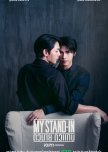
Honestly, My Stand-In is one of those BL series I just can’t seem to let go of! 😭❤️ Starring Up Poompat Iam-samang as Ming and Poom Phuripan Sapsangsawat as Joe, this series gave me everything—emotion, drama, heartbreak, chemistry, and a storyline that kept me completely hooked.The chemistry between Up and Poom is just something else! Their acting made the emotions feel so real, and every episode had me feeling something. I’ve actually lost count of how many times I’ve gone back to rewatch this series because apparently, I’m still not ready to drop it. 😂❤️
For me, My Stand-In is an easy 10/10. No matter how many times I watch it, it still hits the same. Definitely one of those series I’ll keep coming back to! 🥹🔥
Was this review helpful to you?


