
 Celebrity



This review may contain spoilers
A Great Premise Sacrificed on the Altar of Narrative Inconsistency
[Italian Version Below / Versione Italiana in Basso]ENG
Taxi Driver starts with immense potential: dynamic direction, high-level action sequences, and a cathartic premise that instantly hooks the viewer. However, the series suffers from a noticeable drop in quality in its second half, where shaky writing ultimately compromises the integrity of the entire show.
~ Script and Conceptual Flaws ~
The Oxymoron of "Moral Revenge": The show's biggest conceptual flaw lies in its attempt to justify the protagonists' actions under a veneer of ethical superiority. The series tries to sell the idea of a "clean" or "moral" revenge, but falls into blatant hypocrisy: locking people in illegal underground dungeons and delegating their custody to the underworld isn't a moral choice — it's just another form of unregulated violence. Demanding that characters keep their hands ethically clean while acting outside the law creates a constant ideological short circuit.
Forced Plot Devices and Last-Minute Shortcuts: In the final episodes, the plot gets tangled in an accumulation of unrealistic coincidences. The handling of the serial killer’s crimes, the introduction of a copycat/fake culprit to cover up previous plot holes, and placing all key characters in the exact same location reveal lazy writing that relies on cheap shortcuts to force the pieces together.
Editing and Clunky Flashbacks: The pacing suffers heavily from a messy management of timelines. Flashbacks are shoved into the middle of scenes without clear visual or narrative cues, creating confusion between events from twenty years ago, recent developments, and shifting character perspectives.
Inconsistent Character Arcs: The prosecutor’s journey symbolizes the script's compromises. After 15 episodes spent defending the rule of law and formal justice, her sudden endorsement of the vigilantes — while retaining her official position — invalidates the core ideological clash the show tried to build on.
~ The Final Verdict ~
Taxi Driver remains an enjoyable piece of entertainment on a purely visual and action level, but it fails when it tries to lecture the audience on morality. Had it coherently embraced the dark, morally gray nature of a true revenge drama — without searching for ethical excuses for its leads — it would have left a much stronger impact. A decent watch for the action, but a disappointment for anyone looking for solid, consistent writing.
---
ITA
Una grande premessa sacrificata sull'altare dell'incoerenza narrativa
Taxi Driver parte con un potenziale immenso: una regia dinamica, sequenze d'azione di alto livello e una premessa catartica che cattura immediatamente lo spettatore. Tuttavia, la serie soffre di un notevole calo di qualità nella seconda metà, dove una scrittura traballante finisce per compromettere l'integrità dell'intero show.
~ Difetti di Sceneggiatura e Concettuali ~
L'Ossimoro della "Vendetta Morale": Il più grande difetto concettuale dello show risiede nel tentativo di giustificare le azioni dei protagonisti sotto una patina di superiorità etica. La serie cerca di vendere l'idea di una vendetta "pulita" o "morale", ma cade in una palese ipocrisia: rinchiudere le persone in prigioni sotterranee illegali e delegarne la custodia alla malavita non è una scelta morale — è solo un'altra forma di violenza non regolamentata. Pretendere che i personaggi mantengano le mani eticamente pulite mentre agiscono al di fuori della legge crea un costante cortocircuito ideologico.
Espedienti di Trama Forzati e Scorciatoie dell'Ultimo Minuto: Negli episodi finali, la trama si aggroviglia in un accumulo di coincidenze irrealistiche. La gestione dei crimini del serial killer, l'introduzione di un emulatore/falso colpevole per coprire i precedenti buchi di trama e il posizionamento di tutti i personaggi chiave nello stesso identico luogo rivelano una scrittura pigra, che ricorre a scorciatoie di poco conto pur di far combaciare i pezzi.
Montaggio e Flashback Pasticciati: Il ritmo soffre enormemente per via di una gestione confusa delle linee temporali. I flashback vengono infilati a forza in mezzo alle scene senza chiari segnali visivi o narrativi, creando confusione tra eventi di vent'anni prima, sviluppi recenti e continui cambi di prospettiva dei personaggi.
Archi dei Personaggi Incoerenti: Il percorso della PM simboleggia i compromessi della sceneggiatura. Dopo 15 episodi passati a difendere lo stato di diritto e la giustizia formale, il suo improvviso sostegno ai vigilanti — pur mantenendo la sua carica ufficiale — invalida lo scontro ideologico centrale su cui lo show aveva cercato di costruirsi.
~ Il Giudizio Finale ~
Taxi Driver resta un prodotto piacevole sul piano puramente visivo e dell'azione, ma fallisce quando cerca di fare la morale al pubblico. Se avesse abbracciato con coerenza la natura grigia e oscura di un vero revenge drama — senza cercare scuse etiche per i suoi protagonisti — avrebbe lasciato un segno molto più profondo. Una visione discreta per l'azione, ma una delusione per chiunque cerchi una scrittura solida e coerente.
Was this review helpful to you?
This review may contain spoilers
Overall Rating: 4/10 as a romance, 10/10 as an involuntary comedy and rage-bait generator.
[Italian Version Below / Versione Italiana in Basso]ENG
A romantic comedy that aims to celebrate talent, convenience store sweets, and Christmas magic, but quickly devolves into a masterclass in the complete absence of romantic ethics and basic interpersonal communication.
~ The Protagonists: The Scorecard ~
Kiki Inoue (The Queen of Emotional Illiteracy)
Score: 1/10
Analysis: Drifts through space and time for ten episodes without ever making a single adult decision. Uses people as emotional crash pads, applies a "restaurant menu" logic to human feelings, and acts bewildered when others hold her accountable. Her vocabulary during moments of peak emotional tension is strictly limited to two words: "Gomen" (Sorry) and "Arigatō" (Thank you). A character saved strictly by a script that mistakes passive selfishness for "purity".
Takumi Asaba / The CEO (The Arrogant Party-Crasher)
Score: 4/10
Analysis: Starts as a ruthless corporate manager in a sharp suit and ends up demoted to driving a food truck around neighborhood streets. Displays zero respect for lifelong brotherly loyalty: sends sneaky text messages to his childhood best friend's girlfriend, crashes other people's dates to make public declarations, and then chickens out right when it's time to confess. Awarded a kiss on the bridge at the end solely due to main-character privilege.
Makoto Shintani (The Martyr Pastry Chef)
Score: 10/10 for patience | 2/10 for self-esteem
Analysis: The most tragic character in modern television. Acts as therapist, backup plan, cheerleader, and human shield. He even reaches the point of diagnosing his own relationship's demise at a café, actively urging his girlfriend to run into the rival's arms. Deserves a medal of honor and a restraining order against the two main leads.
~ Cult Moments of Pure Trash ~
The Toxic Friendship Triangle: Every unwritten rule between childhood friends who grew up like brothers is ruthlessly violated. Years of genuine affection sacrificed for the doubts of a girl who just wanted a safe rebound.
The Showdown at the Café: Kiki sits in silence for three whole minutes, waiting for Makoto to break up with himself, wrapping up the whole thing with a pathetic "Gomen" (Sorry) and darting off immediately after an "Arigatō" (Thank you).
The Ultimate Finale Cliché: Slow-motion running, meeting on the bridge, the girl taking the initiative for the kiss, and elementary school kids shouting "They're kissing!". A level of sugar content high enough to trigger type 2 diabetes through the screen.
~ The Final Verdict ~
A series designed to warm hearts at Christmas that achieves the exact opposite: raising your blood pressure, making you root for face-slapping pastries across the bakery, and making you rethink the entire concept of romance. Best watched exclusively with a cynical friend by your side to roast every single moment.
---
ITA
Voto Globale: 4/10 come storia d'amore, 10/10 come commedia involontaria e generatore di rabbia.
Una commedia romantica che punta a celebrare il talento, i dolci dei convenience store e la magia del Natale, ma che scivola rapidamente in una lezione magistrale sulla totale assenza di etica sentimentale e di comunicazione interpersonale di base.
~ I Protagonisti: La Pagella ~
Kiki Inoue (La regina dell'analfabetismo emotivo)
Voto: 1/10
Analisi: Vagabonda nello spazio e nel tempo per dieci episodi senza mai prendere una singola decisione da persona adulta. Usa le persone come cuscinetti emotivi per ammortizzare le proprie cadute, applica una logica da "menu del ristorante" ai sentimenti umani e cade dalle nuvole quando gli altri le chiedono conto delle sue azioni. Il suo vocabolario nei momenti di massima tensione emotiva è strettamente limitato a due parole: "Gomen" (Scusa) e "Arigatō" (Grazie). Un personaggio salvato esclusivamente da una sceneggiatura che scambia l'egoismo passivo per "purezza".
Takumi Asaba / Il CEO (L'arrogante guastafeste)
Voto: 4/10
Analisi: Inizia come spietato manager aziendale in abito elegante e finisce retrocesso a guidare un food truck per le vie del quartiere. Dimostra zero rispetto per una fratellanza di una vita: manda messaggini subdoli alla fidanzata del suo migliore amico d'infanzia, si intromette agli appuntamenti altrui per fare dichiarazioni pubbliche e poi si tira indietro proprio sul più bello. Gli viene concesso il bacio sul ponte finale solo ed esclusivamente per il privilegio da protagonista.
Makoto Shintani (Il pasticcere martire)
Voto: 10/10 per la pazienza | 2/10 per l'autostima
Analisi: Il personaggio più tragico della televisione moderna. Fa da terapeuta, piano di riserva, cheerleader e scudo umano. Arriva persino al punto di diagnosticare la fine della sua stessa relazione al bar, spronando attivamente la fidanzata a correre tra le braccia del rivale. Merita una medaglia al valore e un ordine di allontanamento contro i due protagonisti.
~ Momenti Cult di Puro Trash ~
Il triangolo d'amicizia tossico: Ogni regola non scritta tra amici d'infanzia cresciuti come fratelli viene calpestata senza pietà. Anni di affetto sincero sacrificati per i dubbi di una ragazza che voleva solo una ruota di scorta sicura.
La resa dei conti al bar: Kiki sta in silenzio per tre minuti interi, aspettando che Makoto si lasci da solo, liquidando il tutto con un patetico "Gomen" (Scusa) e schizzando via subito dopo un "Arigatō" (Grazie).
Il cliché finale definitivo: Corsa al rallentatore, incontro sul ponte, lei che prende l'iniziativa per il bacio e i bambini delle elementari che urlano "Si stanno baciando!". Un livello di glicemia tale da provocare il diabete di tipo 2 direttamente attraverso lo schermo.
~ Il Giudizio Finale ~
Una serie pensata per scaldare i cuori a Natale che ottiene l'effetto opposto: fa salire la pressione sanguigna, ti fa tifare per le torte in faccia dentro il laboratorio di pasticceria e ti fa riconsiderare l'intero concetto di romanticismo. Da guardare esclusivamente con un amico cinico al fianco per massacrare ogni singolo minuto.
Was this review helpful to you?

This review may contain spoilers
Chronicles of a Bureaucratic-Romantic Nightmare
[Italian Version Below / Versione Italiana in Basso]ENG
When you start a romantic comedy, you look for lightness, relatable charm, and credible chemistry. Put Your Head On My Shoulder promised exactly that; what it delivered instead was a manual on reverse-engineering human relationships, eventually descending into pure bureaucratic fantasy.
~ The Characters: Anatomy of a Relationship Disaster ~
Gu Wei Yi (The Walking Protocol)
Introduced as a physics genius, he turns out to be entirely incapable of processing emotions without an instruction manual. When faced with intimacy, he doesn't use empathy; instead, he pulls all-nighters studying female anatomy on his laptop as if preparing for a government safety inspection. His loyalty algorithm is flawless — he is completely blind to every other woman in the universe — but his relational reading skills are on par with an unplugged toaster. His curse? Devoting blind loyalty to someone who hasn't the slightest clue how to handle it.
Si Tu Mo (The Bureaucratic "Breadstick")
She has the emotional depth of a breadstick and the flexibility of a lamppost. For 22 episodes, she oscillates between total passivity and passive-aggressive outbursts. She berates her partner for his lack of initiative, but when he tries to give her a simple comforting hug after a bad day at work, she shoves him away, accusing him of "only wanting one thing" (after an entire year of forced celibacy). A character devoid of emotional maturity who uses sulking as her primary form of communication.
Fu Pei & The Roommates
The indecisive ex-boyfriend is dug up in the last 15 minutes solely to be redeemed and rushed to the altar in yet another rushed clearance sale of the supporting cast. The German roommates in the Munich flatshare complete the picture, serving as bewildered extras in the face of the female lead’s total logistical illegality.
~ Critique of the Screenplay: Why the Structure Is a Failure ~
1. The Agony of the "Stretched Plot" (The 24-Episode Problem)
The standard 16-episode format (typical of classic K-Dramas) would have saved this show. To stretch the plot across 24 episodes, the writers factory-reset the characters' brains every two episodes, forcing them to regress to a toddler's mental age just to manufacture artificial conflict. As a result, the viewer stops rooting for the couple and starts praying for the show to end.
2. The Last-Minute Short Circuit
In the final two episodes, the writing abandons all logic to cram every remaining cliché in the warehouse into the plot:
- An abrupt study-abroad scholarship in Germany.
- The flawless rival (Hannah, the blonde daughter of the professor).
- The opportunistic return of the ex.
- The inevitable "airport drama."
3. The Complete Suspension of Physics and Logistics
The climax of absurdity occurs with a transcontinental flight crossover above Siberia: he flies back to China to tend to her mild fever; she flies to Munich to force him into marriage. Si Tu Mo lands in Germany, illegally breaks into a student flatshare, and slips directly under Gu Wei Yi's bedsheets. When he walks into his room and notices a body in his bed, instead of checking who it is, he marches over to his roommate and angrily accuses him of bringing girls into his room. The roommate’s response ("Actually... that’s your girlfriend") reaches unmatched levels of tragicomedy.
4. The Marriage Scam and Bureaucratic Consent
The marriage doesn't stem from a romantic proposal, but from a kidnapped-style trick: he drags her into a German Catholic church by lying that they are attending "free English lessons." She only realizes what is happening halfway through the mass, passively goes along with it out of sheer intellectual laziness, and still finds a way to throw a tantrum because she isn't wearing the right dress. To top it all off, there aren't even any wedding rings.
The long-awaited consummation stays true to the show's tone: zero passion, just a formal request for verbal authorization before proceeding — much like signing an informed consent form.
~ The Finale and Verdict ~
The show bids farewell with the unmissable 5-year time skip: glossy photos in actual wedding attire, cut to the living room couch where a screaming 5-year-old is demanding fruit juice.
Gu Wei Yi’s cosmic karma is finally complete: he is condemned to spend the rest of his life managing two generations of screaming "breadsticks" demanding instant attention and juice on command.
In conclusion: a show that started as a cute forced-cohabitation comedy and ended as a treatise on pure nonsense. If you are looking for a mature love story, look elsewhere. If you want a crash course on how not to write human characters, you’ve found your masterpiece.
---
ITA
Cronaca di un incubo burocratico-romantico
Quando inizi una commedia romantica, cerchi leggerezza, un fascino in cui immedesimarti e una chimica credibile. Put Your Head On My Shoulder prometteva esattamente questo; ciò che ha consegnato, invece, è stato un manuale su come smontare pezzo per pezzo le relazioni umane, scivolando infine nella pura fantasia burocratica.
~ I Personaggi: Anatomia di un disastro relazionale ~
Gu Wei Yi (Il protocollo vivente)
Presentato come un genio della fisica, si rivela del tutto incapace di elaborare le emozioni senza un libretto di istruzioni. Di fronte all'intimità non usa l'empatia; preferisce invece passare le notti in bianco a studiare l'anatomia femminile sul laptop come se si stesse preparando per un'ispezione statale sulla sicurezza. Il suo algoritmo di fedeltà è impeccabile — è completamente cieco verso qualsiasi altra donna dell'universo — ma le sue capacità di lettura relazionale sono al livello di un tostapane scollegato dalla presa. La sua condanna? Dedicare una fedeltà cieca a qualcuno che non ha la minima idea di come gestirla.
Si Tu Mo (Il "grissino" burocratico)
Ha lo spessore emotivo di un grissino e la flessibilità di un lampione. Per 22 episodi oscilla tra una passività totale ed esplosioni passivo-aggressive. Rimprovera il partner per la mancanza di iniziativa, ma quando lui prova a darle un semplice abbraccio di conforto dopo una brutta giornata di lavoro, lo spinge via accusandolo di "volere solo una cosa" (dopo un intero anno di celibato forzato). Un personaggio privo di maturità emotiva che usa il tenere il muso come forma primaria di comunicazione.
Fu Pei & I Coinquilini
L'ex fidanzato indeciso viene riesumato negli ultimi 15 minuti al solo scopo di essere redento e spedito di corsa all'altare nell'ennesima svendita affrettata del cast secondario. I coinquilini tedeschi nell'appartamento di Monaco completano il quadro, facendo da comparse perplesse di fronte alla totale illegalità logistica della protagonista.
~ Critica alla Sceneggiatura: Perché la struttura è un fallimento ~
1. L'agonia della "trama allungata" (Il problema dei 24 episodi)
Il formato standard da 16 episodi (tipico dei K-Drama classici) avrebbe salvato questo show. Per spalmare la trama su 24 episodi, gli sceneggiatori hanno resettato il cervello dei personaggi ogni due puntate, costringendoli a regredire all'età mentale di un neonato pur di fabbricare conflitti artificiali. Di conseguenza, lo spettatore smette di tifare per la coppia e inizia a pregare che la serie finisca.
2. Il cortocircuito finale
Negli ultimi due episodi, la scrittura abbandona ogni logica per stipare nella trama tutti i cliché rimasti in magazzino:
- Un'improvvisa borsa di studio all'estero in Germania.
- La rivale impeccabile (Hannah, la figlia bionda del professore).
- L'opportunistico ritorno dell'ex.
- L'inevitabile "dramma all'aeroporto".
3. La totale sospensione della fisica e della logistica
Il picco dell'assurdo si raggiunge con un incrocio di voli transcontinentali sopra la Siberia: lui vola in Cina per curarle una febbriciattola; lei vola a Monaco per costringerlo al matrimonio. Si Tu Mo sbarca in Germania, s'introduce abusivamente in uno studentato e s'infila direttamente sotto le coperte di Gu Wei Yi. Quando lui entra in camera e nota un corpo nel suo letto, invece di controllare chi sia, va furioso dal coinquilino accusandolo di portare ragazze in stanza. La risposta del coinquilino ("In realtà... è la tua fidanzata") raggiunge livelli ineguagliabili di tragicommedia.
4. La truffa del matrimonio e il consenso burocratico
Il matrimonio non nasce da una proposta romantica, ma da un inganno in stile rapimento: la trascina in una chiesa cattolica tedesca mentendole e dicendole che stanno andando a una "lezione gratuita di inglese". Lei capisce cosa sta succedendo solo a metà messa, asseconda il tutto con passività per pura pigrizia intellettuale, e trova comunque il modo di fare una scenata perché non indossa l'abito giusto. Per coronare il tutto, non ci sono nemmeno le fedi.
La tanto attesa consumazione resta fedele al tono dello show: zero passione, solo una richiesta formale di autorizzazione verbale prima di procedere — molto simile alla firma di un modulo per il consenso informato.
~ Il Finale e il Giudizio ~
Lo show si congeda con l'immancabile salto temporale di 5 anni: foto patinate in effettivo abito da sposa, stacco sul divano del soggiorno dove un bambino di 5 anni urlante pretende un succo di frutta.
Il karma cosmico di Gu Wei Yi è finalmente compiuto: è condannato a passare il resto della sua vita a gestire due generazioni di "grissini" strillanti che pretendono attenzione immediata e succo a comando.
In conclusione: uno show iniziato come una carina commedia sulla convivenza forzata e finito come un trattato sul no-sense puro. Se cercate una storia d'amore matura, guardate altrove. Se volete un corso accelerato su come non scrivere personaggi umani, avete trovato il vostro capolavoro.
Was this review helpful to you?

This review may contain spoilers
Sassy charm, chemistry, and an editor with deadline anxiety
[Italian Version Below / Versione Italiana in Basso]ENG
Liu Ling is a sassy, seemingly spoiled princess — shunned by her own family — who decides to set her sights on the unflappable and stern commander of the Imperial Guard, Shen Yan. What starts as bold, shameless flirting quickly evolves into a solid love story that must survive palace intrigues, rebellions, and power-obsessed fathers.
~ What Works Great ~
Lead Dynamics: No toxic romance or ridiculous misunderstandings dragging on for 10 episodes. Liu Ling knows what she wants, and Shen Yan — beneath his tough exterior — gives in with a delightful sense of mutual respect.
No Dead Weight Early On: Unlike typical 50-episode historical slogs, the story glides by effortlessly. It's funny, emotional, and the chemistry is off the charts.
The Final Gag: Closing with the kid on the roof while the parents bicker over who passed down the *"chaos demon"* gene is a relatable, top-tier comedic touch.
Happy Endings for Three: Despite the chaotic finale, the three couples reach their finish line (even if one carries that bittersweet aftertaste of the dropped red ribbon, hinting at a far-from-fairytale future).
~ The Sour Note: A Script Off the Rails ~
The real disaster hits in the last two episodes. Apparently, the writers realized they only had 24 episodes total when they were already at episode 20!
The result is a total logical and editing trainwreck:
Where did they go? The stepmother and stepsister (the root cause of all Liu Ling's misery) **literally vanish into thin air**. No arrest on screen, no final confrontation, nothing. Bye-bye.
Geopolitics in 30 Seconds: The foreign prince realizes the rebellion is doomed and dumps Liu Ling’s father mid-conflict as casually as stepping off a bus, leaving him to his tragic suicide before his ex-wife’s grave.
The 2x Speed Rule: In the final 40 minutes, the direction crams in: the end of a war, a thwarted coup, a suicide, grief, three weddings, a time skip, and the birth of a child.
~ The Final Verdict ~
*My Sassy Princess* is an extremely enjoyable C-drama, perfect if you're looking for a captivating love story without committing to an endless series. Unfortunately, it pays a heavy price for a production team that couldn't budget screen time properly, leaving behind embarrassing plot holes and a rushed finale.
If you can turn a blind eye to the editing magic tricks in the final episode, it remains one of the freshest and most entertaining historical rom-coms in recent years.
Recommended for: Fans of proactive female leads, flawless commanders who fall hard in love, and anyone with a high tolerance for endings written over a coffee break!
---
ITA
Fascino impertinente, chimica e un montatore con l'ansia da scadenza
Liu Ling è una principessa impertinente e apparentemente viziata — emarginata dalla sua stessa famiglia — che decide di mettere gli occhi sull'imperturbabile e severo comandante della Guardia Imperiale, Shen Yan. Quello che inizia come un flirt audace e sfacciato si trasforma rapidamente in una solida storia d'amore che dovrà sopravvivere a intrighi di palazzo, ribellioni e padri ossessionati dal potere.
~ Cosa Funziona Alla Grande ~
La Dinamica tra i Protagonisti: Nessun romanticismo tossico o ridicole incomprensioni trascinate per 10 episodi. Liu Ling sa cosa vuole e Shen Yan — sotto la sua scorza dura — cede con un delizioso senso di rispetto reciproco.
Niente Zavorre nella Prima Metà: A differenza dei tipici mattoni storici da 50 episodi, la storia scorre in modo fluido e leggero. È divertente, emozionante e la chimica è alle stelle.
La Gag Finale: Chiudere con il bambino sul tetto mentre i genitori litigano su chi abbia trasmesso il gene del "demone del caos" è un tocco comico geniale e azzeccatissimo.
Lieto Fine per Tre: Nonostante il finale caotico, tutte e tre le coppie raggiungono il traguardo (anche se una porta con sé l'amaro in bocca per il nastro rosso lasciato cadere, che fa presagire un futuro tutt'altro che da favola).
~ La Nota Dolente: Una Sceneggiatura Fuori dai Binari ~
Il vero disastro si consuma negli ultimi due episodi. A quanto pare, gli sceneggiatori si sono resi conto di avere solo 24 episodi in totale quando erano già arrivati al ventesimo!
Il risultato è un totale disastro logico e di montaggio:
Dove sono finite? La matrigna e la sorellastra (la causa primaria di tutte le sofferenze di Liu Ling) svaniscono letteralmente nel nulla. Nessun arresto a schermo, nessun confronto finale, niente. Ciao ciao.
Geopolitica in 30 Secondi: Il principe straniero capisce che la ribellione è spacciata e scarica il padre di Liu Ling a metà conflitto con la stessa nonchalance con cui si scende dall'autobus, lasciandolo al suo tragico suicidio davanti alla tomba dell'ex moglie.
La Regola del 2x: Negli ultimi 40 minuti, la regia stipa a forza: la fine di una guerra, un colpo di stato sventato, un suicidio, il lutto, tre matrimoni, un salto temporale e la nascita di un figlio.
~ Il Giudizio Finale ~
My Sassy Princess è un C-drama estremamente godibile, perfetto se cercate una storia d'amore avvincente senza dovervi impegnare in una serie infinita. Purtroppo paga un prezzo caro a causa di una squadra di produzione che non ha saputo gestire i tempi a disposizione, lasciandosi alle spalle buchi di trama imbarazzanti e un finale affrettato.
Se riuscite a chiudere un occhio sui giochi di prestigio del montaggio nell'ultimo episodio, resta una delle commedie romantiche storiche più fresche e divertenti degli ultimi anni.
Consigliato a: Fan delle protagoniste femminili intraprendenti, comandanti impeccabili che si innamorano persi e chiunque abbia un'elevata tolleranza per i finali scritti durante la pausa caffè!
Was this review helpful to you?
Really enjoy this
I genuinely enjoyed watching this drama! ❤️ It had me laughing, smiling, and getting emotionally invested in the characters. I especially loved the funny moments 😂—they made the drama feel light and enjoyable, even when the story got a little serious.There were definitely a few moments where I felt the story could have been better, but overall, I had a really good time watching it. It’s one of those series that kept me entertained and made me look forward to the next episode.
For me, it’s an 8/10. A fun, heartwarming, and entertaining watch that I’m glad I gave a chance! 🥰
Was this review helpful to you?
This review may contain spoilers
Anatomy of a Socio-Political and Narrative Disaster
[Italian Version Below / Versione Italiana in Basso]ENG
Marketed to the public as a "fresh and quirky" romantic political comedy, Into the Ring reveals itself to be little more than an exercise in procedural anarchy and lazy writing. The series attempts to blend a critique of local government corruption with '90s-style slapstick romance reminiscent of Ranma ½, failing miserably on both fronts and leaving the viewer with a profound sense of frustration and nihilism.
~ Audit Minutes Synopsis (Episodes 1–16) ~
Episodes 1–10 (Populist Delusions and Relational Toxicity): Koo Se-ra enters local politics out of sheer financial desperation, degrading public institutions into a petty neighborhood feud. Her relationship with Seo Gong-myung is framed around an abusive cycle: coercion, physical aggression disguised as "spontaneity," punitive rulebooks, and a complete lack of empathy.
Episode 11 (The Collapse of the Labor Myth): Infiltrating a construction site as a cafeteria worker, the protagonist experiences eight hours of actual manual labor. She promptly devolves into childish complaints about blistered hands and "inflexible" coworkers, exposing the massive chasm between her pro-worker rhetoric and the realities of wage labor. The firing of her secretary is met with textbook narcissistic indifference — viewing human resources as entirely disposable.
Episode 13 (The First Impeachment for Incompetence): Refusing to engage prosecutors or follow legal channels, Se-ra acts like a comic book vigilante and is promptly removed from her post as City Council President. The system expels her not because of her "uncomfortable honesty," but due to her sheer procedural illiteracy.
Episode 15 (Double Recusal): Achieving her second formal removal (this time stripped of her seat as a local councilwoman), the narrative reaches peak tactical self-sabotage. She delivers the sole hard copy of incriminating evidence directly to the corrupt officials on a rooftop, only for the documents to be tossed into the wind due to her complete failure to create digital backups or photocopies.
Episode 16 (The Nihilistic Finale): Saved by "populist mob sentiment" rather than the rule of law, she witnesses the downfall of the corrupt officials purely through a Deus ex Machina. The finale completely guts any remaining thematic value: Se-ra ends up unemployed, discovers at the absolute last minute that her independent contract disqualifies her from receiving overtime pay, and closes with a psychotic stare that portends future relapses.
~ Final Verdict and Core Message ~
The series normalizes the impunity of corrupt elites while glorifying aggressive incompetence. The underlying message is devastating: competence and the rule of law are meaningless, corruption always slips through the cracks, and anyone foolish enough to try to do good ends up defeated, broke, and unprotected.
Recommended for: Viewers looking for a case study in narrative self-sabotage, critics of romantic slapstick tropes, and anyone who enjoys ruthless, analytical breakdowns of flawed TV shows.
Diagnostic Postscript for Viewers (A Note for Heart Lovers):
In summary: the protagonist's psychological profile reveals an emotional dysregulation disorder with borderline and narcissistic traits, compounded by a pathological inability to process frustration and frequent episodes of violent acting-out.
If you see yourself in this dynamic or believe that a kick to the spine and a romance-novel concussion are the modern equivalent of the "red string of fate," go ahead and enjoy the show — you'll find plenty to feed on. Otherwise, if you prefer to keep your brain switched on even while watching a comedy, drop the series immediately without a shred of regret. Your mental health will thank you.
---
ITA
Anatomia di un disastro socio-politico e narrativo
Commercializzato al pubblico come una commedia romantico-politica "fresca e bizzarra", Into the Ring si rivela poco più di un esercizio di anarchia procedurale e scrittura pigra. La serie tenta di fondere la critica alla corruzione delle amministrazioni locali con una commedia romantica slapstick in stile anni '90 che ricorda Ranma ½, fallendo miseramente su entrambi i fronti e lasciando nello spettatore un profondo senso di frustrazione e nichilismo.
~ Verbale di Audit della Trama (Episodi 1–16) ~
Episodi 1–10 (Deliri populisti e tossicità relazionale): Koo Se-ra entra nella politica locale per pura disperazione finanziaria, degradando le istituzioni pubbliche a una meschina faida di quartiere. La sua relazione con Seo Gong-myung è strutturata attorno a un ciclo abusivo: coercizione, aggressione fisica mascherata da "spontaneità", regolamenti punitivi e una totale mancanza di empatia.
Episodio 11 (Il crollo del mito del lavoro): Infiltrandosi in un cantiere edile come addetta alla mensa, la protagonista sperimenta otto ore di vero lavoro manuale. Regredisce immediatamente in lamentele infantili per le vesciche sulle mani e per i colleghi "inflessibili", evidenziando l'enorme abisso tra la sua retorica pro-lavoratori e la realtà del lavoro salariato. Il licenziamento del suo segretario viene accolto con un'indifferenza narcisistica da manuale — considerando le risorse umane come del tutto consumabili.
Episodio 13 (Il primo impeachment per incompetenza): Rifiutandosi di coinvolgere i pm o di seguire i canali legali, Se-ra agisce come un vigilante dei fumetti e viene prontamente rimossa dal suo incarico di Presidente del Consiglio Comunale. Il sistema la espelle non per la sua "scomoda onestà", ma per il suo puro e semplice analfabetismo procedurale.
Episodio 15 (Doppia ricusazione): Raggiungendo la sua seconda rimozione formale (questa volta privata del seggio di consigliera locale), la narrazione tocca il picco dell'autolesionismo tattico. Consegna l'unica copia cartacea delle prove incriminanti direttamente ai funzionari corrotti su un tetto, solo per veder volare via i documenti nel vento a causa della sua totale incapacità di creare copie di backup digitali o fotocopie.
Episodio 16 (Il finale nichilista): Salvata dal "sentimento della piazza populista" piuttosto che dallo stato di diritto, assiste alla caduta dei funzionari corrotti puramente attraverso un Deus ex Machina. Il finale svuota completamente qualsiasi valore tematico rimasto: Se-ra finisce disoccupata, scopre all'ultimo secondo che il suo contratto autonomo la squalifica dal ricevere gli straordinari e chiude con uno sguardo psicotico che presagisce future ricadute.
~ Giudizio Finale e Messaggio Centrale ~
La serie normalizza l'impunità delle élite corrotte glorificando al contempo un'incompetenza aggressiva. Il messaggio di fondo è devastante: la competenza e lo stato di diritto non contano nulla, la corruzione la fa sempre franca e chiunque sia abbastanza folle da provare a fare del bene finisce sconfitto, al verde e privo di tutele.
Consigliato a: Chi cerca uno studio di caso sull'autolesionismo narrativo, i critici dei cliché delle commedie slapstick e chiunque apprezzi le recensioni demolitrici e analitiche.
P.S. Diagnostico per gli Spettatori (Una nota per gli amanti del romanticismo a tutti i costi):
In sintesi: il profilo psicologico della protagonista rivela un disturbo della disregolazione emotiva con tratti borderline e narcisistici, aggravato da un'incapacità patologica di elaborare la frustrazione e da frequenti episodi di acting-out violento.
Se vi rispecchiate in questa dinamica o credete che un calcio alla spina dorsale e una commozione cerebrale da romanzo rosa siano l'equivalente moderno del "filo rosso del destino", accomodatevi pure e godetevi lo show — troverete pane per i vostri denti. In caso contrario, se preferite tenere il cervello acceso anche mentre guardate una commedia, mollate la serie immediatamente senza un briciolo di rimpianto. La vostra salute mentale vi ringrazierà.
Was this review helpful to you?
This review may contain spoilers
User Guide: Enjoy the first 20 episodes, then turn off your brain.
[Italian Version Below / Versione Italiana in Basso]ENG
If you are looking for logic, narrative consistency, or main characters with the emotional maturity of actual adults, stay far away. Unforgettable Love starts off as an adorable romantic comedy, anchored by a simply delightful child (Xiao Bao) and great chemistry between the leads. But then, the screenwriters happen.
~ The Tropes Checklist (Episode 21 Onward) ~
The Sacrificial Lie: The female lead pretending not to love the CEO anymore to 'protect' him (with the emotional maturity of a twelve-year-old).
Lazy Corporate Resolution: The corporate drama hand-waved away at the last minute by blaming a 'mysterious rival group,' while the ruthless aunt and rival simply vanish into thin air or get magically forgiven.
The Fast-Forward Finale: The classic 'rush to get married and off to Germany for a year' ending, crammed into the final 9 minutes.
~ The Final Verdict ~
In short: A show that glues you to the screen, makes your blood boil with frustration, and lets you predict every single predictable plot point. It makes you mad precisely because you want to love it. You watch it, you hate the writers, you melt over Xiao Bao, and you move on.
Recommended for: Viewers who adore adorable child actors, lovers of cute CEO-psychologist dynamics, and anyone with a high tolerance for late-game script trainwrecks.
---
ITA
Guida per l'Utente: Godetevi i primi 20 episodi, poi spegnete il cervello.
Se cercate logica, coerenza narrativa o protagonisti con la maturità emotiva di veri adulti, tenetevi alla larga. Unforgettable Love parte come un'adorabile commedia romantica, sostenuta da un bambino semplicemente delizioso (Xiao Bao) e da una fantastica chimica tra i protagonisti. Poi, però, arrivano gli sceneggiatori.
~ La Checklist dei Cliché (Dall'Episodio 21 in poi) ~
La Bugiarda Sacrificale: La protagonista femminile che finge di non amare più il CEO per "proteggerlo" (con la maturità emotiva di una dodicenne).
La Pigra Risoluzione Aziendale: Il dramma societario archiviato con disinvoltura all'ultimo minuto dando la colpa a un "misterioso gruppo rivale", mentre la spietata zia e la rivale svaniscono nel nulla o vengono magicamente perdonate.
Il Finale in Avanti Veloce: Il classico finale "corsa al matrimonio e via in Germania per un anno", stipato negli ultimi 9 minuti.
~ Il Giudizio Finale ~
In breve: Uno show che vi incolla allo schermo, vi fa bollire il sangue dalla frustrazione e vi fa prevedere ogni singolo e scontato risvolto della trama. Vi fa arrabbiare proprio perché vorreste amarlo. Lo guardate, odiate gli sceneggiatori, vi sciogliete per Xiao Bao e andate avanti.
Consigliato a: Chi adora i baby attori irresistibili, gli amanti della dinamica CEO-psicologa e chiunque abbia un'elevata tolleranza per i deragliamenti di sceneggiatura sul finale.
Was this review helpful to you?

This review may contain spoilers
When Sweetness Meets the Same Old Clichés
[Italian Version Below / Versione Italiana in Basso]ENG
Presents itself as the classic comfort blanket of the C-drama world: a bright, visually polished love story free from the toxic drama that ruins your day. Its main driving force is the female lead, Su Zai Zai — a breath of fresh air thanks to her determination, emotional intelligence, and ability to set ironclad boundaries with anyone who crosses the line. Her dynamic with Zhang Lurang works precisely because it rests on unwavering trust and rock-solid loyalty: zero drawn-out misunderstandings, zero useless secrets, and a transition into adulthood that even delivers a pleasant, unexpected touch of spice once they move in together.
~ Critique of the Ending: When Filler Ruins the Momentum ~
However, the drama stumbles badly right at the finish line, falling victim to the genre's worst habit: lazy filler. The final three episodes devolve into a checklist of annoying tropes:
The Workplace Creep Trope (Ep. 22): Introducing a creepy boss who demands attention and guilt-trips the female lead under the guise of "workplace socializing" is a low blow. Beyond being infuriating, it mirrors a toxic corporate culture that the show handwaves far too lightly. An "anti-creep shield ring" from the boyfriend or a proper reckoning would have saved viewers a lot of unnecessary frustration.
The Secondary Couple's Emotional Immaturity: While the leads mature, the second couple stays stuck in an exhausting cycle of bashfulness. Having the male second lead confess only after a jolt of jealousy — and with 100% mathematical certainty fed to him by a mutual friend — strips away any real romance, turning what should be a turning point into pure cowardice disguised as shyness.
The Picture-Perfect Ending: A flawless wedding followed by a mandatory pregnancy wraps up the series in the most predictable, conformist way possible, ticking off cliché boxes without a single spark of originality.
~ The Final Verdict ~
A drama that remains a solid comfort watch for three-quarters of its runtime, but loses a full star to a drawn-out, trope-heavy ending. It's the kind of script that frustrates you precisely because you want to love it, only for it to get lost in its own clichés.
Recommended for long winter nights under a warm fleece blanket with a mug of hot chocolate... or maybe a cup of strong black coffee, if you want to make sure you don't fall asleep before the end credits roll.
---
ITA
Quando la dolcezza incontra i soliti cliché
Si presenta come la classica copertina di Linus del mondo dei C-drama: una storia d'amore solare, visivamente curata e priva di quel dramma tossico che ti rovina la giornata. Il suo vero motore trainante è la protagonista femminile, Su Zai Zai — una boccata d'aria fresca grazie alla sua determinazione, alla sua intelligenza emotiva e alla capacità di mettere paletti d'acciaio a chiunque superi il limite. La sua dinamica con Zhang Lurang funziona proprio perché si fonda su una fiducia incrollabile e su una lealtà ferrea: zero incomprensioni tirate per le lunghe, zero segreti inutili e una transizione verso l'età adulta che regala persino un piacevole e inaspettato tocco di pepe una volta che vanno a convivere.
~ Critica al Finale: Quando il Brodo Allungato Rovina il Ritmo ~
Tuttavia, il drama inciampa rovinosamente proprio sul traguardo, cadendo vittima della peggiore abitudine del genere: il filler pigro. Gli ultimi tre episodi si trasformano in una lista della spesa di cliché fastidiosi:
Il cliché del Capo Molesto al Lavoro (Ep. 22): Introdurre un capo viscido che pretende attenzioni e fa leva sui sensi di colpa della protagonista con la scusa della "socializzazione aziendale" è un colpo basso. Oltre a essere infuriante, rispecchia una cultura aziendale tossica che lo show liquida con troppa leggerezza. Un "anello scudo anti-viscido" regalato dal fidanzato o una vera resa dei conti avrebbero risparmiato agli spettatori un bel po' di frustrazione inutile.
L'immaturità emotiva della Seconda Coppia: Mentre i protagonisti maturano, la seconda coppia resta bloccata in un estenuante ciclo di timidezza. Far confessare il second lead maschile solo dopo una scarica di gelosia — e con la certezza matematica al 100% servitagli su un piatto d'argento da un amico comune — priva la scena di vero romanticismo, trasformando quello che doveva essere un punto di svolta in pura codardia mascherata da timidezza.
Il Finale da Cartolina Perfetta: Un matrimonio impeccabile seguito da una gravidanza d'ordinanza chiude la serie nel modo più prevedibile e conformista possibile, spuntando tutte le caselle dei soliti cliché senza un singolo guizzo di originalità.
~ Il Giudizio Finale ~
Un drama che resta una solida visione di conforto per tre quarti della sua durata, ma che perde una stella intera per colpa di un finale allungato e stracarico di cliché. È il classico tipo di sceneggiatura che ti scontenta proprio perché vorresti amarla, ma finisce per perdersi nei suoi stessi banali schemi.
Consigliato per le lunghe sere d'inverno sotto una calda coperta di pile con una tazza di cioccolata calda... o magari una tazza di caffè nero bollente, se volete assicurarvi di non addormentarvi prima che scorrano i titoli di coda.
Was this review helpful to you?

This review may contain spoilers
Romance reconciliation and main characters lacked depth
I have a weekly column on r/CShortHaven about two dramas adapted from the same source. Good friend (both MDL & reddit) thehepburn informed me about this drama. I watched Cheng Cheng's version almost immediately after it was released and was vaguely aware of the other version starring Meng Na and Liang Si Wei. This drama is a letdown.What I liked:
1. Acting - I consider chemistry as part of acting and yes, there was good chemistry between Meng Na and Liang Si Wei. Both were also good in their individual roles. I liked the performance by the actor who played assistant director, ML's friend in glasses.
2. Flashbacks - I liked those scenes when they were harmonious and in love.
3. Supporting characters - I liked the assistant director, FL's agent / manager and ML's mom. The guy who partnered with FL was not bad.
4. Styling - Meng Na was beautiful despite given weird outfits (I was expecting her to wear a tie dye dress that complements her on-screen partner but nope). Liang Si Wei gave off Angus Young of AC/DC vibe with his boyish outfits (perhaps because he was didi). The best outfit for him is definitely the towel.
5. Tone - Lighthearted. I chuckled a lot during the first half of the drama.
What I disliked:
1. ML actions - At the beginning of their working relationship, he sabotaged FL's screen time and shots. I knew he was overprotective (i.e. he didn't like her getting attention from other men) but it was not a cool move.
2. Romance - Sadly the romance lacked depth. I was frustrated that the romance arc focused mostly on push dynamics (with ML being a jerk but at the same time trying to win her back). They broke up because lack of communication that could have been avoided if they were frank with each other. To me, they got back together based on nostalgia.
3. Main characters - Underwritten. I understood that FL was making a career comeback through the variety show but nothing was elaborated about her personal and professional goal. Why was she under the radar? She was secretly married so a divorce wouldn't hurt her career.
Favourite scene
The cooking segment of the variety show
Was this review helpful to you?

This review may contain spoilers
How to package harassment and Criminal Code violations into a romantic comedy.
[Italian Version Below / Versione Italiana in Basso]ENG
Mandatory disclaimer: no actors were harmed in this review. Kim Yoo-jung, Yoon Kyun-sang, and Song Jae-rim did their absolute best, bringing charisma and genuine effort to make poorly written characters somewhat digestible. The issue isn't the performance, but the source material: a script that, once stripped of its rosy filters and diabetes-inducing BGM, reveals itself for what it truly is... a dystopian psychological thriller set in a minefield of toxicity.
~ Dr. Daniel: Hippocrates Thrown Out the Window ~
The crown jewel of abominable writing is the second lead, Dr. Daniel. A psychiatrist by profession, he should represent ethics and emotional awareness. Instead, he uses his professional code of conduct as toilet paper:
Long-term stalking: He spots the female lead for 5 minutes, becomes obsessed with her for 6 years, tracks her down, moves onto her rooftop, and charm-offensives her family using a fake identity.
Abuse of power: He uses his credentials to infiltrate the CEO's home — his own patient suffering from severe OCD — not to treat him, but to spy on the female lead and act like a cocky teenager in the patient's kitchen. Leaving the actual homeowner sidelined on the couch while flirting with non-consensual physical contact is the peak of narcissistic arrogance.
Systematic harassment: Confesses twice, gets rejected twice, yet refuses to accept a "NO" and stays attached to her hip until 10 minutes before the finale. The absolute rock bottom? His fellow psychiatrist sunbae telling him, "You idiot, you should have kept pushing!" A moment requiring mandatory psychiatric institutionalization for both.
~ The Female Lead: Emotional Illiteracy and Alcohol Resets ~
Gil Oh-sol doesn't have character development; she has a sentence to serve. She is the textbook definition of emotional illiteracy: completely incapable of setting personal boundaries, using alcohol as a daily reset to erase her problems, and reacting to every declaration of love with a blank-faced, deer-in-headlights look. Allowing a stalker to play house in her kitchen instead of telling him to kick rocks, she becomes the involuntary martyr for a parade of manipulative men.
~ The Environment: A Web of Sociopaths ~
Her surroundings are a pure nightmare. A mother-in-law figure who looks down on her class, a grandfather controlling people like pawns, and a secretary/spy plotting behind her boss's back. Instead of letting characters mature through adult communication, the plot relies entirely on the lazy "unsaid misunderstandings" trope and trashy slapstick to stretch out the runtime.
~ The Final Verdict: What Message Are We Sending? ~
A 5-minute sugary finale filled with clichés cannot salvage this wreck. The real danger lies in broadcasting these messages on mainstream TV to young audiences: normalizing heavy drinking as a coping mechanism, teaching women to endure endless disrespect to "fix" a man, and framing a guy's refusal to accept a "NO" as passionate love.
A massive red-flag drama for your emotional health. Pity the cast who had to do backflips to give a soul to a script built on harassment. Watch it strictly as an educational case study on what NEVER to tolerate in real life.
Recommended for: Viewers looking for a ruthless breakdown of toxic romantic tropes, critics of boundary-crossing second male leads, and anyone studying red flags in K-drama writing.
---
ITA
Come confezionare molestie e violazioni del Codice Penale dentro una commedia romantica.
Disclaimer d'obbligo: nessun attore è stato maltrattato in questa recensione. Kim Yoo-jung, Yoon Kyun-sang e Song Jae-rim hanno fatto del loro meglio, portando carisma e sincero impegno per rendere vagamente digeribili personaggi scritti malissimo. Il problema non è l'interpretazione, ma la materia prima: una sceneggiatura che, una volta spogliata dei filtri rosa e della musica di sottofondo ad alto tasso glicemico, si rivela per ciò che è realmente... un thriller psicologico distopico ambientato in un campo minato di tossicità.
~ Dottor Daniel: Ippocrate Gettato Dalla Finestra ~
Il fiore all'occhiello di questa scrittura abominevole è il second lead, il Dottor Daniel. Psichiatra di professione, dovrebbe rappresentare l'etica e la consapevolezza emotiva. Invece, usa il suo codice deontologico come carta igienica:
Stalking a lungo termine: Vede la protagonista per 5 minuti, ne diventa ossessionato per 6 anni, la rintraccia, si trasferisce sul suo terrazzo e ammalia la sua famiglia usando un'identità fittizia.
Abuso di potere: Usa le sue credenziali per infiltrarsi a casa del CEO — un suo paziente affetto da grave disturbo ossessivo-compulsivo — non per curarlo, ma per spiare la protagonista e fare il galletto nella cucina del paziente. Lasciare il proprietario di casa messo in disparte sul divano mentre si flirta con contatti fisici non consenzienti è il picco dell'arroganza narcisistica.
Molestia sistematica: Si dichiara due volte, viene rifiutato due volte, ma si rifiuta di accettare un "NO" e le rimane incollato alle costole fino a 10 minuti dal finale. Il punto più basso in assoluto? Il suo collega psichiatra sunbae che gli dice: "Idiota, dovevi insistere ancora di più!". Un momento che richiederebbe il TSO immediato per entrambi.
~ La Protagonista: Analfabetismo Emotivo e Reset da Alcol ~
Gil Oh-sol non ha un'evoluzione del personaggio; ha una condanna da scontare. È la definizione da manuale di analfabetismo emotivo: del tutto incapace di fissare confini personali, usa l'alcol come reset quotidiano per cancellare i problemi e reagisce a ogni dichiarazione d'amore con un'espressione da stoccafisso spaventato. Permettendo a uno stalker di fare il padrone di casa nella sua cucina invece di mandarlo a quel paese, diventa la martire involontaria di una parata di uomini manipolatori.
~ L'Ambiente Circostante: Una Rete di Sociopatici ~
I contorni della storia sono un incubo ad occhi aperti. Una figura materna che la disprezza per il suo ceto sociale, un nonno che manovra le persone come pedine e una segretaria/spia che trama alle spalle del suo capo. Invece di far maturare i personaggi attraverso un dialogo da adulti, la trama si appoggia interamente sul pigro cliché dei "non-detti" e su una slapstick scadente per allungare il brodo.
~ Il Giudizio Finale: Che Messaggio Stiamo Mandando? ~
Un finale zuccheroso di 5 minuti pieno di cliché non può salvare questo disastro. Il vero pericolo sta nel trasmettere questi messaggi in TV a un pubblico giovane: normalizzare l'abuso di alcol come meccanismo di difesa, insegnare alle donne a sopportare continue mancanze di rispetto per "salvare" un uomo e far passare l'incapacità di accettare un "NO" come amore passionale.
Un drama che è una gigantesca "red flag" per la salute emotiva. Solidarietà al cast che ha dovuto fare i salti mortali per dare un'anima a una sceneggiatura costruita sulle molestie. Da guardare esclusivamente come caso di studio su cosa NON tollerare mai nella vita reale.
Consigliato a: Chi cerca un'analisi spietata dei cliché romantici più tossici, i critici dei second lead invadenti e chiunque voglia uno studio di caso sulle red flag nella serialità coreana.
Was this review helpful to you?
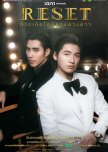
This is fire
I honestly don’t know how many times I’ve rewatched Reset because I simply can’t seem to drop it! 😭❤️ This series has everything—great chemistry, an engaging storyline, emotional moments, and two leads who completely pulled me into their world.The leads, did an amazing job bringing their characters to life. Their chemistry is just 🔥, and every scene between them keeps me coming back for more.
The story had me hooked from beginning to end, and even after finishing it, I still find myself going back to rewatch my favorite moments. That’s how you know a BL has truly left an impression!
Rating: 10/10 ⭐⭐⭐⭐⭐
Definitely one of those BLs I can watch over and over again without getting tired of it. ❤️
#ResetBL #ThaiBL #BLSeries #BLReview #10outof10 #BLAddict
Was this review helpful to you?

This review may contain spoilers
The Perfect Antidote to the Poison of Fake Morality and Tired Clichés
[Italian Version Below / Versione Italiana in Basso]ENG
In a television landscape saturated with romantic comedies that peddle blatantly toxic dynamics, pathological germophobia, or obsessive forms of control as "dream relationships" and "green flags," Agency asserts itself with the force of a refreshing slap. It is a work of rare clarity that strikes an ironclad pact with the viewer and honors it without ever wavering: zero fluff, zero knights in shining armor, and, above all, no sentimental shortcuts used to sugarcoat the brutality of the real world.
~ Autonomy as the One True "Green Flag" ~
Go Ah-in is a monumental character. She is not the typical "strong" female lead who is tough only in dialogue, only to collapse emotionally in front of the first charismatic man who comes along. She is a surgeon of corporate strategy, a complex and wounded figure who builds an armor of competence and cynicism to survive a patriarchal, hierarchical, and classist system that wanted her dead before she even started. Her anxiety and insomnia aren't cured by a soothing cup of tea offered by a "prince charming," but by facing her demons alone, calculating every single move with surgical precision.
~ Romance as a Political Weapon (and Devoid of Toxicity) ~
The series is not "anti-romantic" by default, but it is avowedly opposed to the rhetoric of tired, sugary clichés. The story's single romantic subplot—between Kang Han-na and Secretary Park—is undeniable proof of this. When he returns to support her during the shareholders' meeting, the narrative steers clear of any melodramatic tropes, offering a fresh, irreverent, and thoroughly modern turn. It is Han-na who takes the initiative: she impulsively grabs his hand, snaps a photo, and posts it on Instagram with a blunt caption ("the Vice President and I are together, no arranged marriages, ever"). Romance ceases to be an escape from reality and becomes a political offensive weapon to smash her family's plans, turning couple complicity into a witty, pure corporate counterattack.
~ Institutional Cynicism and the "Pillory of Silence" ~
Agency systematically dismantles the hypocrisy of the "good guys" and the surface-level morality of massive corporations. From the personal vendetta of the prosecutor to the cowardice of sunbae Yoo Won-soo—who, despite experiencing the violence of the system firsthand, chooses the basest path of betrayal to save his own seat—the series demonstrates that corporate power does not create loyalty, only opportunists. And the punishment reserved for these figures is masterful: no public guillotine or front-page scandal, but the worst possible sentence for an egomaniac—irrelevance. Watching them pack up their offices in total silence and anonymity, discarded by the very system they served, delivers a cold, subtle satisfaction.
~ A Finale Without Hollywood Catharsis, But Full of Pure Freedom ~
While the final episodes maintain an almost suffocating tension, the conclusion deliberately avoids the trap of a rushed, chaotic resolution or an action-movie showdown. Seeing Go Ah-in leave the peak she fought so hard to reach after just one year might leave a bittersweet aftertaste, but it is actually the ultimate confirmation of her independence. Remaining there would mean being assimilated, becoming just another guardian of VC Group's golden cage. Leaving to found her own independent agency alongside the people she actually trusts is the ultimate act of defiance: she proved she could win by the system's rules, only to reject the system itself.
~ The Final Verdict ~
A masterpiece of narrative consistency, healthy cynicism, and dignified writing. An essential watch for anyone tired of the "clucking circus" of fake fairy-tale romances and looking for a story about power, strategy, and genuine female empowerment
---
ITA
Il perfetto antidoto al veleno della falsa morale e dei cliché stanchi
In un panorama televisivo saturo di commedie romantiche che spacciano dinamiche palesemente tossiche, germofobie patologiche o forme ossessive di controllo per "relazioni da sogno" e "green flag", Agency si impone con la forza di uno schiaffo rigenerante. È un'opera di rara lucentezza che stringe un patto d'acciaio con lo spettatore e lo rispetta senza mai vacillare: zero fronzoli, zero cavalieri in armatura scintillante e, soprattutto, nessuna scorciatoia sentimentale usata per indorare la pillola della brutalità del mondo reale.
~ L'Autonomia come Unica Vera "Green Flag" ~
Go Ah-in è un personaggio monumentale. Non è la tipica protagonista "forte" che fa la dura solo nei dialoghi, per poi crollare emotivamente davanti al primo uomo carismatico di turno. È un chirurgo della strategia aziendale, una figura complessa e ferita che si costruisce un'armatura di competenza e cinismo per sopravvivere a un sistema patriarcale, gerarchico e classista che la voleva morta ancora prima di iniziare. La sua ansia e la sua insonnia non vengono curate da una tazza di tè rassicurante offerta dal "principe azzurro", ma affrontando i propri demoni da sola, calcolando ogni singola mossa con precisione chirurgica.
~ Il Romanticismo come Arma Politica (e Privo di Tossicità) ~
La serie non è "anti-romantica" a prescindere, ma è apertamente ostile alla retorica dei soliti cliché zuccherosi. L'unica sottotrama romantica della storia—quella tra Kang Han-na e il Segretario Park—ne è la prova inconfutabile. Quando lui torna per sostenerla durante l'assemblea degli azionisti, la narrazione si tiene ben lontana da qualsiasi deriva melodrammatica, regalando una svolta fresca, irriverente e assolutamente moderna. È Han-na a prendere l'iniziativa: gli afferra d'impulso la mano, scatta una foto e la pubblica su Instagram con una didascalia secca ("Io e il Vicepresidente stiamo insieme, niente matrimoni combinati, mai"). Il romanticismo smette di essere una fuga dalla realtà e diventa un'arma politica offensiva per frantumare i piani della sua famiglia, trasformando la complicità di coppia in un arguto e puro contropiede aziendale.
~ Cinismo Istituzionale e la "Gogna del Silenzio" ~
Agency smantella sistematicamente l'ipocrisia dei "buoni" e la morale di facciata delle grandi multinazionali. Dalla vendetta personale del procuratore fino alla codardia del sunbae Yoo Won-soo—che, pur avendo provato sulla propria pelle la violenza del sistema, sceglie la via più bassa del tradimento pur di salvare la propria poltrona—la serie dimostra che il potere aziendale non crea lealtà, ma solo opportunisti. E la punizione riservata a queste figure è magistrale: nessuna ghigliottina pubblica o scandalo da prima pagina, ma la condanna peggiore per un egomaniaco—l'irrilevanza. Vederli svuotare i propri uffici nel silenzio e nell'anonimato più totale, scaricati dallo stesso sistema che avevano servito, regala una fredda e sottile soddisfazione.
~ Un Finale Senza Catarsi Hollywoodiana, ma Cibo per la Pura Libertà ~
Se gli episodi finali mantengono una tensione quasi soffocante, la conclusione evita deliberatamente la trappola di una risoluzione caotica e affrettata o di uno scontro da film d'azione. Vedere Go Ah-in lasciare dopo un solo anno la vetta che aveva lottato così duramente per raggiungere potrà anche lasciare un retrogusto agrodolce, ma è in realtà la conferma definitiva della sua indipendenza. Restare lì avrebbe significato essere assimilata, diventare l'ennesima custode della gabbia dorata del VC Group. Andarsene per fondare la propria agenzia indipendente insieme alle persone di cui si fida davvero è l'atto finale di sfida: ha dimostrato di saper vincere secondo le regole del sistema, solo per poi rifiutare il sistema stesso.
~ Il Giudizio Finale ~
Un capolavoro di coerenza narrativa, sano cinismo e scrittura dignitosa. Una visione essenziale per chiunque sia stanco del "circo starnazzante" dei finti romanzi rosa da favola e cerchi una storia sul potere, sulla strategia e sul vero empowerment femminile.
Was this review helpful to you?
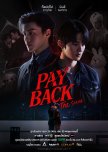
Wow ? this is ??????
Payback The Series is honestly one of those BL dramas that grabs your attention from the very beginning and refuses to let go. The combination of revenge, romance, action, suspense, betrayal, and intense emotions makes this series such an unforgettable watch.The two leads, Min Thanakorn Wichanukhor as Sun and Toptap Jarukit Kaewmoonrueang as Jay, were absolutely amazing. Their chemistry is 🔥🔥🔥, and the tension between Sun and Jay makes every scene together so captivating. Min did an incredible job portraying Sun's pain, anger, vulnerability, and determination, while Toptap brought Jay's mysterious and protective personality to life perfectly.
What I loved most is that this isn't just a romance story. Sun's journey of dealing with loss, betrayal, guilt, and revenge gives the series real emotional depth. The storyline keeps you curious, while the twists and action scenes make it difficult to stop watching.
And the chemistry between Sun and Jay? Absolutely EVERYTHING! ❤️🔥 Their slow-burn relationship, meaningful looks, tension, and emotional connection made their pairing incredibly satisfying to watch.
The acting, cinematography, storyline, supporting cast, and overall production came together beautifully. With 10 episodes, the series manages to deliver a story that feels intense and engaging from start to finish.
Final rating: 10/10 ⭐⭐⭐⭐⭐
A beautiful mix of revenge + action + suspense + romance + amazing chemistry. If you love BL dramas with a strong storyline and a relationship that develops alongside the main plot, Payback is definitely worth watching! 🔥❤️
Min Thanakorn & Toptap Jarukit — you two absolutely killed it! 👏🔥
Was this review helpful to you?
This review may contain spoilers
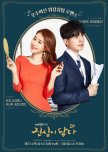
Never Has a Title Been More Honest
[Italian Version Below / Versione Italiana in Basso]ENG
In a landscape of K-dramas full of slapstick humor or supposedly "green flag" shows that push the suspension of disbelief way past the boundaries of reality (check out my scathing reviews on Into the Ring or Clean with Passion for Now for proof of my past pen crimes), Touch Your Heart proves to be an oasis of pure comfort amidst the genre's nuclear fallout. But above all, it has one major virtue: it never insults or breaks its promise to the viewer.
~ The Premise: Reverse Dynamics ~
The plot itself doesn't offer anything groundbreaking — it’s practically Love to Hate You in reverse (where she was the lawyer and he was the famous actor, whereas here the roles are flipped) — yet the result is extraordinarily cozy and well-balanced.
On paper, the premise sounds like a nightmare:
She has the emotional maturity of a hormone-fueled twelve-year-old.
He possesses the empathy and conceptual flexibility of a railway tie.
And yet, their chemistry and, above all, the steady evolution of their relationship reward the viewer with every single episode. Even the supporting characters, though slightly over-the-top, never feel cloying or forced.
~ The Tropes: Cozy and Balanced ~
How could they be missing? The good news, however, is that they won't give you a headache here. There's a perfect balance of humor and romance: memorable props to his love letter, which reads like a final closing argument in court (it was missing only a "Your Honor" at the bottom). There’s the thriller subplot with the stalker, which fortunately vanishes faster than spit hitting the ground. And, of course, the mandatory dose of pathos with the classic "I love you, so I'm leaving you" separation. As for the ending... well, enjoy that one yourselves.
~ Viewing Advice ~
Best enjoyed under a cozy blanket with a hot chocolate and your significant other (whoever that may be). Or with a chilled bottle of Soju, taking a shot every time the main leads kiss. Don't worry, you won't get drunk...
Recommended for: Viewers looking for a low-angst comfort drama, fans of the Goblin secondary couple's reunion, and anyone who appreciates awkward lawyers attempting romance.
P.S. No sex until the end of episode 15, just to be clear.
---
ITA
Mai titolo fu più onesto
In un panorama di K-drama saturo di comicità slapstick o di presunti show "green flag" che spingono la sospensione dell'incredulità ben oltre i confini della realtà (vedere le mie impietose recensioni su Into the Ring o Clean with Passion for Now a riprova dei miei passati crimini di penna), Touch Your Heart si rivela un'oasi di puro conforto in mezzo al fallout nucleare del genere. Ma soprattutto ha una virtù fondamentale: non insulta né infrange mai la sua promessa allo spettatore.
~ La Premessa: Dinamiche a Ruoli Invertiti ~
La trama in sé non offre nulla di rivoluzionario — è praticamente Love to Hate You al contrario (lì lei era l'avvocata e lui il famoso attore, mentre qui i ruoli sono invertiti) — eppure il risultato è straordinariamente accogliente e ben bilanciato.
Sulla carta, la premessa sembra un incubo:
Lei ha la maturità emotiva di una dodicenne in pieno picco ormonale.
Lui possiede l'empatia e la flessibilità concettuale di una traversina ferroviaria.
Eppure, la loro chimica e, soprattutto, la costante evoluzione della loro relazione ripagano lo spettatore episodio dopo episodio. Perfino i personaggi secondari, pur essendo leggermente sopra le righe, non risultano mai stucchevoli o forzati.
~ I Cliché: Confortevoli e Bilanciati ~
Come potevano mancare? La buona notizia, tuttavia, è che qui non vi faranno venire il mal di testa. C'è un perfetto equilibrio tra umorismo e romanticismo: memorabili i complimenti per la lettera d'amore di lui, che si legge come una memoria difensiva finale in tribunale (mancava solo un "Vostro Onore" in fondo). C'è la sottotrama thriller con lo stalker, che fortunatamente svanisce più veloce di uno sputo per terra. E, naturalmente, la dose obbligatoria di pathos con la classica separazione "ti amo, quindi ti lascio". Per quanto riguarda il finale... beh, godetevelo da soli.
~ Consigli per la Visione ~
Da godersi al meglio sotto una calda coperta con una cioccolata calda e la propria dolce metà (chiunque essa sia). Oppure con una bottiglia di Soju ben ghiacciata, facendo uno shottino ogni volta che i protagonisti si baciano. Non preoccupatevi, non vi ubriacherete...
Consigliato a: Chi cerca un comfort drama a basso tasso di sofferenza, i fan della reunion della coppia secondaria di Goblin e chiunque apprezzi avvocati goffi che cercano di capire l'amore.
P.S. Niente sesso fino alla fine dell'episodio 15, giusto per essere chiari.
Was this review helpful to you?
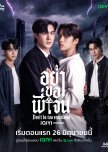
Honestly, this series deserves nothing less than 10/10! ⭐⭐⭐
This series is such a beautiful and captivating BL series. From the storyline to the characters, the chemistry, romance, and emotional moments, everything came together so well. It is the kind of series that makes you laugh, smile, feel butterflies, upset and sometimes even get emotional right along with the characters.What I loved most was the chemistry between the leads. Their connection felt natural, and watching their relationship develop was absolutely satisfying. The characters had depth, and their emotions made the story feel genuine and relatable.
The romance was sweet, the emotional scenes were powerful, and the little moments between the characters were simply unforgettable. I also loved how the story showed vulnerability, trust, understanding, and the courage to love despite fear and uncertainty.
This is definitely one of those BL series that stays on your mind even after finishing it. If you're looking for romance, chemistry, emotions, beautiful moments, and a story that pulls you in from beginning to end, this one is worth watching.
Final rating: 10/10 ❤️🔥🏳️🌈
Absolutely loved it! No regrets, just butterflies and emotions. 🥹❤️
Was this review helpful to you?


