

 19
19 28
28 2
2 3
3 1
1 1
1 3
3 1
1 2
2 4
4 1
1 1
1 1
1 4
4 8
8 5
5 1
1


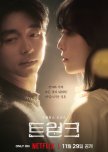
“All Style, No Soul: When Aesthetics and big name stars Can’t Save an Empty Story”
There wasn’t a single character I could truly connect with or form an emotional bond with. That said, the actors themselves did a commendable job with their performances.
The drama boasts strong cinematography and polished editing, but visual finesse alone cannot compensate for the lack of substance and meaningful character development. The story is deeply cliché, and instead of elevating or reworking that familiarity, the direction seems more invested in making the show look artistic and aesthetic than in strengthening its narrative core.
Sex or physical intimacy, likewise, cannot mask gaps in the screenplay or the absence of plot complexity. Seo yeon and ji o didnt take more than 10 seconds to get into the heated physical intimacy every time they appeared on screen. But over time, it became repetitive and undesirable to watch.
At times, I did feel fleeting pity for certain characters, and I could understand where they were coming from. However, most of them felt undeserving of sustained sympathy. In-ji’s struggles, as well as those of others, often came across as self-inflicted—not because they lacked reasons for their behavior, but because nearly everyone took their obsessions several steps too far.
Seo-yeon was the worst among them. I could understand her resentment and hatred toward Jeong-won—if it had remained hatred. Instead, it evolved into something far more excessive and troubling.
For some, a new life or a child can be a blessing; for others, it becomes the beginning of misery or even a curse... It might be loathsome how grueling the process is, and the whole result of it. It's not mandatory for a woman to feel the maternal love afterall when most fathers barely care, and some of whose lives are the least bit affected by this momentary change capable to wholly revolutionizing the world of the woman involved.
Despite everything, I never found myself wanting to comfort any of the characters—neither Seo-yeon nor Jeong-won. Even when the stalking and harassment against In-ji crossed uncomfortable lines and felt deeply unfair, I didn’t feel the instinctive urge to console her. Perhaps that speaks more to how her character was written than to the situation itself.
Poor Ji-o, meanwhile, felt like collateral damage—dragged into a conflict where he had no real agency. He was efficiently used by both the narrative and the screenplay as a tool to eliminate the ultimate villain and conveniently secure happiness for the main cast.
The strongest emotions the show evoked in me were not empathy or sorrow, but disappointment, anger, and disgust—particularly toward the shameless failure of law and order. Characters like Eom Tae-seong, who believe their vile behavior is excusable simply because they are “sick,” walking free without consequence, were infuriating. The utter incompetence of the police and legal system—unable to protect a citizen, utterly useless in preventing harm—was deeply disturbing.
When In-ji asks Eom Tae-seong why he takes things so far, his response—“Because I can”—is nothing short of blood-boiling. He represents everything rotten in society, and the system’s inability to restrain or stop someone like him until another individual is forced to take matters into their own hands is both cynical and tragic. And yet, the person who does the job the system failed to do is branded the biggest culprit—an irony so sharp it borders on dark comedy, or perhaps pure tragedy.
Even then, the show barely explores these themes. It doesn’t allow space to sit with these emotions or examine them meaningfully.
In the end, it’s a dull, hollow watch—one whose absence wouldn’t have made any difference to my viewing journey.
The drama boasts strong cinematography and polished editing, but visual finesse alone cannot compensate for the lack of substance and meaningful character development. The story is deeply cliché, and instead of elevating or reworking that familiarity, the direction seems more invested in making the show look artistic and aesthetic than in strengthening its narrative core.
Sex or physical intimacy, likewise, cannot mask gaps in the screenplay or the absence of plot complexity. Seo yeon and ji o didnt take more than 10 seconds to get into the heated physical intimacy every time they appeared on screen. But over time, it became repetitive and undesirable to watch.
At times, I did feel fleeting pity for certain characters, and I could understand where they were coming from. However, most of them felt undeserving of sustained sympathy. In-ji’s struggles, as well as those of others, often came across as self-inflicted—not because they lacked reasons for their behavior, but because nearly everyone took their obsessions several steps too far.
Seo-yeon was the worst among them. I could understand her resentment and hatred toward Jeong-won—if it had remained hatred. Instead, it evolved into something far more excessive and troubling.
For some, a new life or a child can be a blessing; for others, it becomes the beginning of misery or even a curse... It might be loathsome how grueling the process is, and the whole result of it. It's not mandatory for a woman to feel the maternal love afterall when most fathers barely care, and some of whose lives are the least bit affected by this momentary change capable to wholly revolutionizing the world of the woman involved.
Despite everything, I never found myself wanting to comfort any of the characters—neither Seo-yeon nor Jeong-won. Even when the stalking and harassment against In-ji crossed uncomfortable lines and felt deeply unfair, I didn’t feel the instinctive urge to console her. Perhaps that speaks more to how her character was written than to the situation itself.
Poor Ji-o, meanwhile, felt like collateral damage—dragged into a conflict where he had no real agency. He was efficiently used by both the narrative and the screenplay as a tool to eliminate the ultimate villain and conveniently secure happiness for the main cast.
The strongest emotions the show evoked in me were not empathy or sorrow, but disappointment, anger, and disgust—particularly toward the shameless failure of law and order. Characters like Eom Tae-seong, who believe their vile behavior is excusable simply because they are “sick,” walking free without consequence, were infuriating. The utter incompetence of the police and legal system—unable to protect a citizen, utterly useless in preventing harm—was deeply disturbing.
When In-ji asks Eom Tae-seong why he takes things so far, his response—“Because I can”—is nothing short of blood-boiling. He represents everything rotten in society, and the system’s inability to restrain or stop someone like him until another individual is forced to take matters into their own hands is both cynical and tragic. And yet, the person who does the job the system failed to do is branded the biggest culprit—an irony so sharp it borders on dark comedy, or perhaps pure tragedy.
Even then, the show barely explores these themes. It doesn’t allow space to sit with these emotions or examine them meaningfully.
In the end, it’s a dull, hollow watch—one whose absence wouldn’t have made any difference to my viewing journey.
Was this review helpful to you?


