




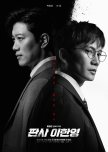
Justiça sem inocência, mas com impacto
Em The Judge Returns, chama atenção como Ji Sung parece escolher projetos que raramente falham em impacto e recepção. Mais uma vez vestindo a toga de juiz, ele conduz um drama que combina construção narrativa sólida e tensão constante, ainda que se apoie, sem pudor, em ilegalidades estratégicas para enfrentar um sistema igualmente corrompido. O jogo entre justiça e pragmatismo moral é o motor da trama, especialmente nos conchavos e articulações entre magistratura, promotoria e imprensa, onde a linha entre herói e anti-herói se torna deliberadamente turva. E é justamente aí que a série ganha força, ao sugerir que, para derrubar o mal entranhado, talvez seja necessário operar fora das regras que o sustentam.O contraponto perfeito surge na atuação de Park Hee-soon, que constrói um vilão à altura do protagonista, sem jamais parecer inferior ao conflito central. A dinâmica entre os dois encontra seu ápice na cena final do tribunal, um duelo verbal que merece ser estudado como exercício de dramaturgia. Ali, texto e atuação se encontram num nível raro de precisão, elevando o confronto a algo maior do que simples embate jurídico, transformando-o numa disputa moral que reverbera para além da tela.
O encerramento, por sua vez, funciona em duas frentes. Pode ser lido como abertura para uma nova temporada ou como comentário pessimista e realista sobre o ciclo eterno de corrupção e poder, sempre restaurado por novos atores e interesses. Ao mesmo tempo, a cena final deixa claro que nem mesmo a ajuda dos aliados é totalmente altruísta, revelando interesses políticos ocultos por trás do apoio institucional. Ainda assim, permanece a ideia reconfortante de que sempre haverá alguém disposto a enfrentar o sistema novamente. O saldo é amplamente positivo, e a expectativa por uma continuação surge menos por gancho narrativo e mais pelo prazer genuíno de acompanhar esse universo.
Was this review helpful to you?
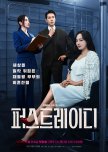
A Final that Whispers, Does Not Declare
It is a very good drama, although it carries that soap opera veneer and all the emotional intensity typical of Korean productions. Following the trajectory of this woman consumed by her own obsession for power and family stability is, at the very least, fascinating. The main actress sustains everything with an almost surgical precision, gliding between the cold and calculating figure and the mother who tries, at all costs, to preserve marriage, reputation, and the fantasy of normality that collapsed long ago.The villain, on the other hand, is of a memorable anaemia. Lack of presence, lack of threat, lack of anything beyond the basics. But does this compromise the drama? Not at all. The narrative never needed a monumental antagonist to function and politics, here, is more atmosphere than a battlefield. The ending, subjective but with a glimmer of hope, works as a breath after a lot of suffocation and says more than it appears.
Was this review helpful to you?
This review may contain spoilers
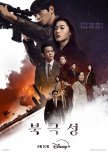
Quando o Amor é Apêndice da Política
Chegamos ao fim, e o drama se revelou uma curiosa contradição: politicamente denso, mas romanticamente raso. O envolvimento dos protagonistas soa quase como uma paródia do amor, tão apressado e descartável que, quando enfim se tornava “tórrido”, só restava a vontade de avançar a cena. Ainda assim, o enredo político salva o conjunto. As tramas de bastidores, os jogos diplomáticos e as reviravoltas em torno do poder foram conduzidos com notável coerência, uma verdadeira aula de relações internacionais disfarçada de entretenimento.Outro mérito, discreto mas louvável: o inglês dos personagens. Fluente, natural, sem o engessamento habitual das produções coreanas que tratam o idioma como um obstáculo. Aqui, soou orgânico, bem articulado, o que, para quem acompanha dramas asiáticos, é quase um milagre.
No desfecho, tudo se encaixa com lógica e propósito. A protagonista candidata, dona do próprio arco, encerra a história sem precisar da validação romântica. E quanto ao casal não terminar junto? Francamente, não poderia me importar menos.
Was this review helpful to you?
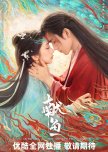
Entre Céus, Demônios e Mortais: Um Drama Descompassado
É preciso ser honesto: esse drama foi dois em um. O arco do Palácio Celestial tinha tudo, história envolvente, execução primorosa e uma protagonista com carisma nato, capaz de equilibrar humor e leveza com naturalidade. Já o arco do Reino Demoníaco foi um desastre, mal conduzido, repetitivo, rodando em círculos até a exaustão. Foram incontáveis os sacrifícios alternados entre os protagonistas, sempre regados a jorros de sangue, numa coreografia de sofrimento que logo perdeu qualquer impacto dramático e se tornou apenas cansativa. O terceiro arco, no Reino Mortal, conseguiu recuperar um pouco o fôlego, mas correu tanto que acabou soando apressado, quase improvisado. Fica a impressão de que cada arco teve um roteirista diferente, e que eles não se deram ao trabalho de conversar entre si. Ao menos, as cenas finais deixaram uma centelha: o retorno dela à realidade e o reencontro sutil, insinuado, que sugere mais do que mostra e que, justamente por isso, funciona.Was this review helpful to you?
This review may contain spoilers
Drama ou Campanha Publicitária?
É aquele tipo de drama que desperdiça seu próprio potencial. Começa com ares de manifesto, e não há problema algum em assumir bandeira desde que saiba sustentá-la, mas termina reduzido a panfleto de ONG mal diagramado. A retórica contra o armamento é tão óbvia que esvazia qualquer complexidade narrativa, achatando personagens e situações em slogans. Quando o vilão sobrevive ao tiro apenas para ser convenientemente despachado no hospital, a mensagem beira o risível. É isso que o roteiro tinha a oferecer como conclusão? Que o mal é cíclico, eterno, ou só que não souberam como fechar a conta? Um desperdício, porque havia uma premissa promissora ali, mas o resultado é desses que se esquecem tão logo se fecha a tela, salvo talvez pelo incômodo de ver boa ideia transformada em sermão barato.Was this review helpful to you?
This review may contain spoilers
Um Final que Testa os Limites da Boa Vontade
Olha, há momentos em que a gente precisa parar, respirar fundo e tentar entender que tipo de despropósito se passou na cabeça de um roteirista. É o caso do episódio final desse drama, que dedica mais da metade de seu tempo a uma das tramas mais anódinas e francamente ofensivas à inteligência do espectador. Temos uma cultivadora que, em tese, seria uma figura de poder e respeito, mas que na prática se revela uma caricatura de adolescente obcecada por um encontro fortuito que aconteceu há uma eternidade. E o pior nem é a fixação dela, mas o espetáculo de humilhação autoimposta: a criatura arrisca a própria vida e a sanidade por um vislumbre de um protagonista que, sejamos honestos, estava mais preocupado em encontrar a saída de emergência do que em corresponder a esse delírio. É um desfecho que não apenas subestima seu público, mas também joga no lixo qualquer construção de personagem que pudesse haver.E se a narrativa tropeça em sua própria inépcia, a produção não fica muito atrás. Alardeia-se um investimento milionário em CGI que, na tela, se transforma em algo que cheira a naftalina. Enquanto as cenas de luta mantêm uma decência mínima, os monstros e as sequências de voo parecem saídos de um software de 1980, um descalabro visual que beira o cômico. A série até ensaia um bom começo, com capítulos iniciais que prometem uma jornada interessante, mas se afunda numa reta final modorrenta, com um herói que abdica de seu papel para virar espectador passivo da própria história. Ainda assim, a gente fica. A gente cogita uma segunda temporada, talvez por masoquismo, talvez pela esperança teimosa de que, com sorte, eles finalmente decidam fazer jus ao potencial que um dia insinuaram ter.
Was this review helpful to you?
From Checkmate to Bounced Check
If Kill Me, Love Me was an awkward misstep that made you laugh for the wrong reasons, this one at least finds its groove. The writing’s tighter, more consistent, and it actually flows from start to finish. Sure, it still has those classic filler episodes—because, let’s be real, no C-drama escapes that curse—but it doesn’t tank the experience. When things slowed down, I’d just watch one episode a day; when it kicked into high gear and the plot hit like a domino effect, I easily binged three or more in one sitting. Totally normal.The villains? Hands down the most compelling part. Their grudges and ambitions didn’t just pop out of thin air—they’re rooted in their past, their upbringing, the messed-up lives they’ve led. But here’s the thing: with a title like this, you expect the princess to be a sharp, ruthless player all the way through. Instead, by the final stretch, she’s making clueless, naïve, downright dumb choices. And that’s when the frustration really sets in, like she forgot the rules of her own game.
Was this review helpful to you?
This review may contain spoilers
Ele Só Queria Descansar (E a Gente Também)
É preciso dizer — tecnicamente, esse drama foi de uma qualidade excepcional e muito bem estruturado. Mas, como já apontei em resenhas anteriores, o ponto fraco continua sendo aquela relação mal construída e mal explicada entre o trio de “irmãos”. E aqui vou surpreender: o personagem que mais me tocou, em termos de carga emocional, foi o Mu-Jin — interpretado com uma delicadeza silenciosa por Ga-Ram. Através dele, temos um vislumbre cru, quase brutal, da natureza falha e volúvel do ser humano. Sentimos compaixão pelas humilhações que ele carregou ao longo da vida, raiva pela obsessão cega pela irmã e, no fim, alívio — uma redenção real quando ele compreende que a mulher que pensava amar sempre foi, e sempre será, sua irmã. Só então ele consegue parar — não apenas no sentido literal, mas existencial: descansar, abandonar o inferno emocional que era aquela família.E, claro, menção honrosa para Bo-Ah — que é, em qualquer métrica, consistentemente acima da média em tudo que faz.
Was this review helpful to you?
This review may contain spoilers
Next stop for the duo: Satan's Embassy on Earth.
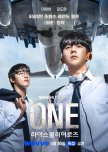
Once again, Wavve proves it knows how to do a lot with very little. In One: High School Heroes, the platform delivers a mature high school drama that actually respects the intelligence of its audience — and in a sea of lazy teen scripts, that alone is worth something. Sure, a few episodes drag their feet here and there, but the mental health arc of the main character (played with surprising depth by Jung Ha) more than makes up for it. He and Kim Do Wan have solid chemistry and real presence, and together they drive a narrative that, as I’ve said before, gets that school violence isn’t just random chaos — it’s systemic. It’s a machine where victims and aggressors simply switch roles depending on where they fall in the pyramid of power.The ending works because it doesn’t try to wrap things up in a neat little bow — quite the opposite. It throws both leads straight into what the show itself calls a “hell on Earth,” a brutal arena where survival takes more than fists. It takes connection, empathy, and purpose. It might look like the series is glorifying violence, but what it’s really doing is using it as a language to talk about mental health, abandonment, self-worth, and resilience. If there’s a second season coming, I’m just hoping the fight scenes — already solid — lean even more into realism and weight, because the story underneath is more than strong enough to carry it. Bottom line: One might not have made global headlines, but it’s one of those quiet gems that has a lot to say if you’re paying attention.
Was this review helpful to you?
Coreia, Onde o Ensino Médio é Pós-Graduação em Crime
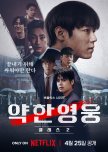
É um tanto injusto colocar a segunda temporada lado a lado com a primeira. A original tinha o frescor da novidade, a surpresa de uma trama que surgia com vigor. Já essa leva recente mergulha com mais clareza na densidade do roteiro: bullying institucionalizado, laços forjados entre amizade e rivalidade, o submundo do crime juvenil coreano e, principalmente, o papel das escolas como palco e cúmplice da violência. O enredo se sustenta com firmeza, e os atores — talentosos, dedicados — entregam performances notáveis. Ainda assim, mesmo com todos os esforços de caracterização e maquiagem, há um elefante na sala: a idade. A maioria já passou dos trinta, e o salto geracional fica difícil de ignorar.Isso compromete a experiência? Curiosamente, não. Mas seria de bom tom, para a já ventilada terceira temporada, uma escalação que dialogue melhor com a faixa etária que a série retrata. Nesse ponto, a Netflix precisa calibrar a bússola. Quanto ao elenco, Park Ji-hoon repete o feito da primeira temporada com atuação segura, magnetizante — embora desta vez tenha que dividir os holofotes com Ryeoun, excelente como Hu Min. E tudo bem: há espaço para ambos. Mas confesso minha preferência. O Sieun de Ji-hoon é o eixo emocional e narrativo mais potente da série.
Se quiserem fazer um spin-off centrado em Baku, eu topo, assisto com gosto e critério. Mas se o que se busca é uma temporada de encerramento, que ela venha centrada em Sieun — porque, apesar das múltiplas camadas da série, é ele quem ainda carrega o peso do mundo nas costas e nos olhos.
Was this review helpful to you?
This review may contain spoilers
Reta final confusa e desconexa
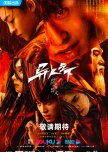
Começar um drama com ritmo e premissa interessantes, além de reunir um elenco de peso como Hou Minghao e Bi Wenjun, é meio caminho andado para conquistar o público — especialmente quando dois atores já consolidados aceitam o projeto com evidente fé no material. O começo trazia uma boa mistura de ritmo e história, e mesmo com um CGI desajeitado, havia uma sensação de que algo especial poderia sair dali. Até então, tudo parecia promissor.Mas o problema surge quando essa confiança inicial se dissolve nos últimos episódios, com o roteiro se perdendo em uma narrativa confusa e frustrante. A missão principal, recuperar as memórias de Bao, acaba se invertendo, apagando ainda mais sua história. E para piorar, a prévia da segunda temporada sugere uma continuação desconexa com a trama original. Apesar disso, o carisma dos protagonistas ainda segura a curiosidade — o suficiente para, mesmo decepcionado, querer saber como essa história vai terminar.
Was this review helpful to you?
Expectativas não correspondidas!
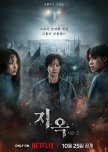
Criei uma infinidade de expectativas para essa segunda temporada, e a frustração veio de forma quase descomunal. Imaginei que seria uma oportunidade perfeita para aprofundar a origem dos julgadores monstruosos e demoníacos, entender por que esses julgamentos começaram e explorar detalhadamente os pecados dos julgados. Queria respostas sobre se o arrependimento genuíno ou o perdão sincero poderiam salvá-los em vida. Mas o que recebi? Mais um drama coreano arrastado, com aquele ritmo tedioso e previsível centrado em seitas religiosas na Coreia do Sul – um tema que eles insistem em revisitar à exaustão.Ainda assim, devo destacar a atuação de Kim Sung Chul como Jin Su. Mesmo não sendo o ator da primeira temporada, ele conseguiu tomar posse do personagem com uma entrega impressionante, dominando cada cena em que apareceu. É uma pena que esse talento tenha sido desperdiçado em um enredo tão apático e desconectado das questões intrigantes que a série poderia ter abordado.
Perdi meu tempo? Talvez. Mas uma coisa é certa: este é um drama que me deixou sem absolutamente nenhuma vontade de conferir uma possível terceira temporada, hipotética ou não.
Was this review helpful to you?
This review may contain spoilers
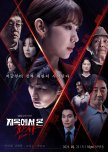
GEHENNA PARA TODOS!
Se há algo que define esse drama é a habilidade de transformar temas complexos como inferno e céu em uma narrativa envolvente e executada com maestria. Desde o início, a produção manteve uma precisão e uma qualidade que raramente vemos, com uma sinergia evidente entre roteiro, direção e atuação. Os protagonistas mostraram uma química que saltava da tela, e mesmo as críticas aos beijos precisam ser contextualizadas no componente cultural coreano — especialmente considerando que a atriz principal é casada, o que certamente afeta as escolhas de direção em cenas românticas.O elenco de apoio foi um espetáculo à parte, com coadjuvantes que transcenderam suas funções para elevar o drama a um nível acima. Atores que interpretaram personagens como Valak e Gremory se destacaram com performances memoráveis, trazendo o caos necessário à trama que explora a coexistência entre demônios e humanos.
Quanto à história, o desfecho não apenas foi satisfatório como também deixou entrever uma abertura clara para uma segunda temporada. A declaração do roteirista, sugerindo que o momento para isso ainda não chegou, é um indicativo sutil de que já existem discussões sobre a possibilidade. O episódio final revelou nuances fascinantes, especialmente a dinâmica entre Bael e Justitia. Seu afeto ambíguo, misturado a uma manipulação emocional, faz de Bael um personagem intrigante. Seu desprezo por Han DaOn, humano e, portanto, um rival improvável, adiciona ainda mais camadas à história — principalmente porque o tempo de Justitia na Terra é limitado. Será intrigante ver como ele (Bael) lidará com a decisão dela tornar-se humana.
A performance de Park Shin Hye foi, sem dúvida, de "Masterclass". Com uma precisão quase cirúrgica, ela incorporou os maneirismos e o estilo de fala de On Na Ra, conferindo profundidade e complexidade à personagem. É uma atuação que merece todos os elogios e o sucesso estrondoso do drama. Agora, só nos resta aguardar uma possível segunda temporada…
Was this review helpful to you?
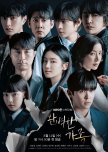
I PRAY, I ASK FOR THE HEAVEN
I have to admit, I was a bit taken aback by the low rating for the final episode of “완벽한 가족”. I’m not sure what people were expecting from the conclusion, especially since the pacing and plot development seemed like they could’ve fit better in a film rather than a full-length drama series.The entire storyline was built around the drama’s theme song, “TO HEAVEN”, beautifully sung by Jukjae. So, I’m going to break down the song verse by verse and connect it with the storyline. This drama deals with themes of isolation, family secrets, and the constant pursuit of a perfect image, while the characters navigate deep emotions and personal struggles.
First Verse:
Lyrics:
“Quietly, loneliness creeps into me
When will this long day ever end?
The sky I saw while walking with heavy steps
Is dark, as if it’s looking into my heart and painting it.”
Analysis:
The first verse speaks to a deep, creeping loneliness. The feeling that the day drags on endlessly suggests ongoing anguish, a sense that the problems and burdens are never-ending. The “dark sky” reflects the emotional state of the person, symbolizing hopelessness and the weight of their internal struggles.
Connection to the Drama:
This verse mirrors the experiences of the main characters, who seem to have the perfect lives on the surface, yet beneath it all, they carry the heavy burden of maintaining appearances. In “완벽한 가족”, there’s a stark contrast between what the characters show to the outside world and how they truly feel. The drama explores how, despite being surrounded by people, especially the protagonist’s parents, they feel a deep loneliness, which is reflected in their expressions and the “heavy steps” of their daily routine. The “dark sky” represents the secrets that haunt the family.
Second Verse:
Lyrics:
“I close my eyes in silence and slowly count to ten
In the moment I open them, I wish it were all a dream
I pray, I pray, to heaven.”
Analysis:
Here, the lyrical voice seems to seek a temporary escape from reality by closing their eyes and hoping that when they open them, it was all just a nightmare. Praying to heaven represents a search for a way out, a desperate hope that the difficulties will magically disappear.
Connection to the Drama:
In the story, the characters often seem to be living in a dream or an illusion of perfection. The mother, who upholds this facade of family happiness, could be seen as someone who’s constantly praying for that illusion to stay intact, dreading the day when the family’s secrets come to light. This wish for everything to “be a dream” reflects the moments when the drama’s characters yearn to escape the tension and stress that weigh heavily on their seemingly perfect lives.
Third Verse:
Lyrics:
“I let out a sigh bigger than my breath
I try to walk back, but I remain in the same place
My wish, finally written in tears
Yes, I want to go back to the beginning.”
Analysis:
This verse expresses frustration. The lyrical voice is stuck in a repetitive cycle, unable to move forward. The melancholy of wanting to “go back to the beginning” suggests a longing to undo choices or fix the mistakes that led to the current situation.
Connection to the Drama:
In the drama, many of the characters, especially the protagonist’s parents, grapple with regret and remorse. They often question whether the choices they made — regarding their careers, family, or hidden secrets — were the right ones. Like the lyrics, they long to “go back to the beginning” to try and rewrite their lives, free from the mistakes and secrets that now haunt them. This desire for a second chance is a recurring theme in the story as they try to face the consequences of their past decisions.
Fourth Verse:
Lyrics:
“Once again, I’m alone, only my shadow remains
In the moment everything collapses, I wish it were someone’s embrace
I pray, I pray, to heaven.”
Analysis:
In this verse, the lyrical voice feels abandoned, left with only their shadow for company. When everything seems to be falling apart, they yearn for the embrace of another, a sign of vulnerability and a desire for emotional connection. Once again, there’s an appeal to heaven, a plea for divine intervention.
Connection to the Drama:
This verse fits perfectly with the storyline of “완벽한 가족”. The breakdown of family relationships and the loneliness of the characters are central themes. As the facade of perfection begins to crumble, each family member desperately seeks comfort in others. However, much like the lyrics, they often find only their own shadows — a metaphor for the emptiness that surrounds them. The desire for an embrace — a genuine and heartfelt connection — is something the characters crave but rarely find, as they’re all trapped in their own illusions and fears. The prayer to heaven symbolizes their last hope that something, or someone, might save this “perfect family” before it falls apart entirely.
This analysis shows how the song “TO HEAVEN” and the storyline of “완벽한 가족” are deeply intertwined, sharing themes of loneliness, frustration, and the search for redemption or comfort. Just as in the song, the characters in the drama are constantly praying — both literally and figuratively — for their lives to be healed from the secrets and pain that weigh them down. They wish they could go back to the beginning, to find solace, and to overcome the emptiness that surrounds them.
In the end, I hope you find my analysis insightful, and I truly wish that everyone can find their own version of the “perfect family” in the best way life can offer.
Was this review helpful to you?
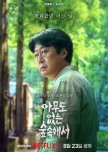
VISUAL AMBITION AND A DISJOINTED SCRIPT: WHEN BEAUTY CAN'T SAVE THE CHAOS.
The ambiguity of this drama reflects a production that feels as though the writers weren't in sync. While the past is carefully crafted with well-written dialogues and stellar performances, the present stumbles in quality, offering a script that borders on mediocre and a storyline so absurd that even the most imaginative mind would struggle to accept it.
Nonetheless, the high level of investment is evident, with the beautiful cinematography standing out as one of the drama’s most redeeming qualities, enhancing its aesthetic appeal.
As for the performances, they truly shine. Go MinSi delivers an outstanding, award-worthy performance, and Park Chan Yeol complements the cast with his precise and solid acting. Together, they manage to elevate the overall production, even amid the script's inconsistencies.
Was this review helpful to you?


