

 11
11 14
14 2
2 1
1 1
1 8
8 2
2 1
1 1
1 4
4 1
1 2
2 2
2


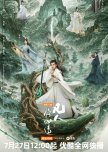
just some guy’s cultivation journey yet thoroughly entertaining
this is a story that starts with tropes so recognisable, they are almost as trite as “once upon a time.” our lead, Han Li (played by Yang Yang, who really seems to have found his niche in this character), is introduced as a basic teenager from a family so poor that for him and his friend, joining a cultivation sect means eating actual food every day instead of arguing over flatbreads with siblings.
as we initially follow our teenager (for indeed he is no hero, as we learn relatively quickly), his journey begins to diverge from the tried and true cultivation narrative. he certainly has talents but they are not flashy or impressive to others; in fact, they appear invisible to almost everyone except the most crafty of mentors. but Han Li is cool-headed and thoughtful and has mastered, if we are polite about it, conflict avoidance and strategic retreat. if we were less charitable and more into legendary saving-the-world stories, we might be inclined to call him cowardly.
our not-quite-hero does, however, understand how to work both smart and hard, which is quite fortunate because his path is not destined to be an easy one. the focus of the sects on collecting items and on growing their cultivation base with pills and potions is slightly unusual, but this jarringly materialistic subculture holds space for Han Li’s peculiar personality to thrive and gives a sense of this being not just a story but a game.
the pace overall is fairly unrelenting if somewhat uneven. for those of us who have not read the novel on which this is based, which is very long, the information overload and rapid cycling between sects and characters may be a little disorienting and it does feel as if there is insufficient time for character development. Han Li does plenty of gardening and gardening-adjacent chores, which is when you should probably catch your breath, but often these moments arrive too late and you have already processed the previous rapid-fire events. this inconsistency would probably be my only major criticism of the series as a whole.
while there is not really time for explicit comedy, it is still quite humorous at times, which also provides some relief from weeding and fighting demonized creatures. one of the oddest and possibly unintentional sources of humour is the way that almost every character at some time points out how ordinary, plain and unattractive our main character is. meanwhile, Yang Yang’s Han Li gets an obvious glow-up every time he levels up. by two-thirds of the way through, he looks like he has a personal spa in his cave. if they keep on polishing the visuals as his cultivation improves, there will be nothing but blinding light to see for the rest of the story. perhaps the next installment should just be an audio drama.
the CGI has a bit of a late 2000s feel, which sometimes feels slightly anachronistic but does comfortably feed the gamified nature of the series. the fight scenes, however, are impeccably designed and provide a counterpoint to the more mundane aspects of cultivation life.
while large-scale conflict provides the backdrop to the narrative, overall the series still manages to feel low-conflict, in large part because of Han Li’s avoidant personality and distinct lack of interest in interpersonal drama. as an example, when he finds a deceased person, he will inevitably just search them for artifacts then insta-cremate them with very little hassle, whether he killed them himself or they died from non-Han Li-related misadventure. always the pragmatist.
at its core then, The Immortal Ascension is a low-angst series about how people work their way up the cultivation food chain, but it has no pretensions about developing side characters or insisting that you hold feelings for them. the inherent sadness in the narrative is quiet, philosophical and with hidden depth, much like our protagonist himself. Han Li simply has his own path to tread.
though he finds (and by extension, we also find) very few people to care about, there are plenty of people who follow him around, from an entire hopeful harem of women, most of whom he deliberately avoids but still treats with a detached type of respect, to his archenemy, the flamboyant demon lord Wang Chan (Wang Duo with one of his most overtly camp performances), who doesn’t seem to realise that his obsessive relationship with Han Li is unrequited.
the music felt slightly limited in scope but well-deployed. the individual tracks are very strong, particularly Shi Yan’s 蜉蝣志 (Mayfly Will), a raw, rasping emotional journey reminiscent of some of Chen Xueran’s best work. months after finishing The Immortal Ascension, I listen to this OST occasionally and it’s still just as impactful.
all in all, this was an enjoyable and memorable journey, particularly considering the fact that I started this on a whim with zero expectations. the end credits signal a second season and I will definitely be seated!
as we initially follow our teenager (for indeed he is no hero, as we learn relatively quickly), his journey begins to diverge from the tried and true cultivation narrative. he certainly has talents but they are not flashy or impressive to others; in fact, they appear invisible to almost everyone except the most crafty of mentors. but Han Li is cool-headed and thoughtful and has mastered, if we are polite about it, conflict avoidance and strategic retreat. if we were less charitable and more into legendary saving-the-world stories, we might be inclined to call him cowardly.
our not-quite-hero does, however, understand how to work both smart and hard, which is quite fortunate because his path is not destined to be an easy one. the focus of the sects on collecting items and on growing their cultivation base with pills and potions is slightly unusual, but this jarringly materialistic subculture holds space for Han Li’s peculiar personality to thrive and gives a sense of this being not just a story but a game.
the pace overall is fairly unrelenting if somewhat uneven. for those of us who have not read the novel on which this is based, which is very long, the information overload and rapid cycling between sects and characters may be a little disorienting and it does feel as if there is insufficient time for character development. Han Li does plenty of gardening and gardening-adjacent chores, which is when you should probably catch your breath, but often these moments arrive too late and you have already processed the previous rapid-fire events. this inconsistency would probably be my only major criticism of the series as a whole.
while there is not really time for explicit comedy, it is still quite humorous at times, which also provides some relief from weeding and fighting demonized creatures. one of the oddest and possibly unintentional sources of humour is the way that almost every character at some time points out how ordinary, plain and unattractive our main character is. meanwhile, Yang Yang’s Han Li gets an obvious glow-up every time he levels up. by two-thirds of the way through, he looks like he has a personal spa in his cave. if they keep on polishing the visuals as his cultivation improves, there will be nothing but blinding light to see for the rest of the story. perhaps the next installment should just be an audio drama.
the CGI has a bit of a late 2000s feel, which sometimes feels slightly anachronistic but does comfortably feed the gamified nature of the series. the fight scenes, however, are impeccably designed and provide a counterpoint to the more mundane aspects of cultivation life.
while large-scale conflict provides the backdrop to the narrative, overall the series still manages to feel low-conflict, in large part because of Han Li’s avoidant personality and distinct lack of interest in interpersonal drama. as an example, when he finds a deceased person, he will inevitably just search them for artifacts then insta-cremate them with very little hassle, whether he killed them himself or they died from non-Han Li-related misadventure. always the pragmatist.
at its core then, The Immortal Ascension is a low-angst series about how people work their way up the cultivation food chain, but it has no pretensions about developing side characters or insisting that you hold feelings for them. the inherent sadness in the narrative is quiet, philosophical and with hidden depth, much like our protagonist himself. Han Li simply has his own path to tread.
though he finds (and by extension, we also find) very few people to care about, there are plenty of people who follow him around, from an entire hopeful harem of women, most of whom he deliberately avoids but still treats with a detached type of respect, to his archenemy, the flamboyant demon lord Wang Chan (Wang Duo with one of his most overtly camp performances), who doesn’t seem to realise that his obsessive relationship with Han Li is unrequited.
the music felt slightly limited in scope but well-deployed. the individual tracks are very strong, particularly Shi Yan’s 蜉蝣志 (Mayfly Will), a raw, rasping emotional journey reminiscent of some of Chen Xueran’s best work. months after finishing The Immortal Ascension, I listen to this OST occasionally and it’s still just as impactful.
all in all, this was an enjoyable and memorable journey, particularly considering the fact that I started this on a whim with zero expectations. the end credits signal a second season and I will definitely be seated!
Was this review helpful to you?


