
 News



This review may contain spoilers
Contract Marriage, Performance Anxiety, and the "Usain Bolt" Sprint
[Italian Version Below / Versione Italiana in Basso]Note: This is Part 1 of a double review comparing this original Japanese hit with its Korean counterpart, "Because This Is My First Life".
ENG
Earning a glowing 9/10, The Full-Time Wife Escapist is a delightfully eccentric, warm, and clever romantic comedy that elevates the "contract marriage" trope into a sharp, entertaining discussion on domestic labor as a real, paid profession.
~ An "Astringent Lemon" and an Olympic Escape ~
The comedy soars thanks to its male lead, a man whose initial level of emotional empathy resembles an astringent lemon — ultra-methodical, socially awkward, and deeply guarded. His complete panic when confronted with romantic intimacy leads to one of the most unforgettable moments in J-drama history: overwhelmed by performance anxiety in the bedroom, he bolts out of the house and sprints down the street like Usain Bolt! Adding to the fun, a charming second lead eventually "sub-leases" Mikuri's professional cleaning services, triggering a hilarious wave of jealousy in our rigid protagonist.
~ Light, Surreal, and Intelligently Written ~
Balancing surreal daydreams and TV parodies with genuine heart, the series treats housework with respect while subtly challenging traditional gender roles. It remains vibrant and breezy throughout, never losing its comedic spark.
~ The Final Verdict ~
A 9/10 masterpiece of Japanese comedy — unapologetically absurd, deeply charming, and endlessly rewatchable. A must-watch that pairs perfectly with its more introspective Korean counterpart, Because This Is My First Life.
Recommended for: Fans of original Japanese rom-coms, viewers who appreciate witty social commentary, lovers of eccentric humor, and anyone looking for the perfect companion watch to Because This Is My First Life.
---
ITA
Matrimonio per Contratto, Ansia da Prestazione e lo Scatto "alla Usain Bolt"
Nota: Questa è la Parte 1 di una doppia recensione a confronto tra questo capostipite giapponese e il suo omologo coreano, "Because This Is My First Life".
Aggiudicandosi un brillante 9/10, The Full-Time Wife Escapist è una commedia romantica eccentrica, calda e incredibilmente intelligente, capace di trasformare il classico cliché del "matrimonio per contratto" in una riflessione brillante sul lavoro domestico visto come vera e propria professione retribuita.
~ Un "Limone Astringente" e una Fuga Olimpica ~
La comicità dello show raggiunge vette altissime grazie al protagonista maschile, un uomo la cui empatia emotiva iniziale ricorda quella di un limone decisamente astringente: rigidissimo, metodico e terrorizzato dal contatto umano. Il suo panico totale di fronte all'intimità sfocia in una delle scene più memorabili della serialità giapponese: travolto dall'ansia da prestazione in camera da letto, scappa di casa e corre a gambe levate per strada manco fosse Usain Bolt! A rendere il tutto ancora più esilarante ci pensa il second lead, che "subaffitta" i servizi di pulizia della protagonista scatenando la prima, meravigliosa gelosia del nostro protagonista.
~ Vivacità Surreale e Scrittura Intelligente ~
Tra fantasie surreali e parodie televisive scoppiettanti, la serie valorizza la dignità del lavoro casalingo smantellando i ruoli di genere tradizionali con straordinaria leggerezza, senza cadere mai nella banalità.
~ Il Giudizio Finale ~
Un gioiello da 9/10 della commedia giapponese — assurdo, dolcissimo e divertentissimo. Una visione imprescindible che si sposa alla perfezione con il suo omologo coreano più maturo, Because This Is My First Life.
Consigliato a: Gli amanti delle commedie romantiche giapponesi originali, chi apprezza la satira sociale intelligente, i fan dell'umorismo eccentrico e chiunque cerchi la visione complementare perfetta per Because This Is My First Life.
Was this review helpful to you?
This review may contain spoilers
Nanno vs Yuri: When Karma Meets Crude Revenge
[Italian Version Below / Versione Italiana in Basso]ENG
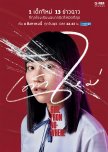
Earning a solid 7.5/10, Girl From Nowhere is a bold, dark, and deeply provocative anthology series that successfully delivers a biting social satire on human hypocrisy, school bullying, and abuse of power. Presented as a dark psychological thriller, the series sets clear expectations from the start: Nanno is not a savior, but a karmic catalyst — a sinister mirror reflecting the worst impulses of society.
~ Season 1: The Subtle Art of Temptation ~
The first season is an absolute triumph of psychological horror and dark moral fables. Nanno functions much like the biblical serpent: she offers the apple of temptation — wealth, vanity, or envy — and lets human free will take its course. She rarely inflicts direct harm; instead, she exposes the truth and forces the guilty to live within their self-made hells. Episodes exploring deep human flaws (such as the art-copying student) demonstrate the show’s brilliant ability to craft nuanced, Dante-esque psychological punishment.
~ Season 2: Lazy Tragedies and Collateral Damage ~
While the anthology format remains engaging, Season 2 suffers from a noticeable shift in tone and the introduction of Yuri. Where Nanno operates with strict karmic logic — where the punishment strictly fits the culprit — Yuri represents crude, indiscriminate revenge. The writing frequently resorts to lazy shortcuts, needlessly dragging innocent bystanders into the crossfire (from the disturbing storyline involving the teacher’s daughter to the senseless death of a dog). Hurting innocent third parties is simply a forced narrative trick that abandons true moral justice in favor of gratuitous shock value.
~ The Final Verdict ~
A 7.5/10 that rewards a brilliant concept, stylish storytelling, and an unforgettable lead performance. While the second season loses its way in excessive splatter and forced collateral damage, Nanno remains one of the most iconic anti-heroines in modern Asian television.
Recommended for: Fans of dark psychological thrillers, social satire, anthology series, and viewers who enjoy complex moral dilemmas without predictable happy endings.
---
ITA
Nanno vs Yuri: Quando il Karma Incontra la Vendetta Sommaria
Aggiudicandosi un solido 7.5/10, Girl From Nowhere è una serie antologica cupa, provocatoria e viscerale, capace di confezionare una satira sociale graffiante sull'ipocrisia, il bullismo e i lati oscuri del mondo scolastico e adulto. Confezionata come un thriller psicologico dalle tinte horror, la serie stabilisce un patto narrativo chiarissimo fin dal primo episodio: Nanno non è un'eroina, ma un catalizzatore karmico — uno specchio spietato che mette a nudo la bassezza umana.
~ Stagione 1: La Raffinata Arte della Tentazione ~
La prima stagione è un piccolo capolavoro di parabola morale e suspense psicologica. Nanno agisce come la mela tentatrice: offre la possibilità (denaro, fama, invidia), ma lascia sempre che sia il libero arbitrio delle persone a compiere il peccato. La punizione non è mai gratuita, ma nasce dalla colpa stessa, costringendo i colpevoli a convivere con le conseguenze delle proprie azioni (come nel magnifico episodio della studentessa che copia i disegni). È una giustizia dantesca, elegante e sottile.
~ Stagione 2: Sceneggiature Pigre e Vittime Innocenti ~
Pur mantenendo la freschezza del formato antologico, la seconda stagione scricchiola a causa dell'introduzione di Yuri e di un cambio di rotta verso lo splatter. Se Nanno segue un'etica del karma in cui la punizione deve colpire esclusivamente chi se la merita, Yuri e la nuova scrittura cedono alla pigrizia narrativa: coinvolgere persone o animali del tutto innocenti (dalla figlia del professore al cane) è solo una forzatura drammatica. Colpire chi non c'entra nulla non è giustizia poetica, ma solo un bieco trucco di sceneggiatura per fare leva sul dolore dello spettatore.
~ Il Giudizio Finale ~
Un 7.5/10 meritato che premia un'idea brillante, una regia magnetica e una protagonista indimenticabile. Nonostante una seconda stagione che perde la bussola tra splatter ed eccessi drammatici forzati, il personaggio di Nanno resta un'icona assoluta della serialità contemporanea.
Consigliato a: Chi ama i thriller psicologici cupi, la satira sociale, le storie antologiche e chi cerca lezioni morali prive del classico e banale lieto fine.
Was this review helpful to you?
From Solving Strange Cases to Unravelling a Kingdom's Darkest Secrets
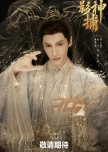
I really loved this drama! Wuxia combined with mystery-solving is absolutely my cup of tea, and Shadow Punisher gave me a lot of things to enjoy. It has intriguing cases, clever investigations, a lively team, political conspiracies, and Luo Yunxi playing a character who is quite different from the serious, elegant roles I usually associate with him. However, while I enjoyed most of the journey, I do have some complaints about the final five episodes.First of all, Luo Yunxi's appearance felt familiar to me because the costumes and overall styling reminded me of Till the End of the Moon and Whispers of Fate. The costume designer's influence is quite noticeable. However, his character here is different from the roles I usually see him play. Li Si, also known as Qingyang Gongzi, is talkative, witty, mischievous, and full of energy. He can be playful and annoying in one moment, then sharp and calculating in the next. I particularly enjoyed this contrast. Beneath his seemingly carefree attitude, there is a man who understands more than he lets others see. He is not simply a handsome, mysterious hero who stands around looking cool; his personality actively contributes to the story and makes the investigations entertaining.
The production was another highlight for me. The costumes, backgrounds, props, and various artefacts were eye-catching, and the drama created an atmosphere that suited its wuxia mystery setting. The opening OST sung by Sa Dingding was breathtaking. It immediately gave me the feeling that I was about to enter a world filled with secrets, danger, and strange cases. The music added to the mystery and made the opening especially memorable.
What I appreciated most was the way the drama combined individual cases with a larger story. The mysteries were not merely excuses to show the characters fighting or displaying their martial arts skills. They required observation, reasoning, and cooperation, and many of them gradually revealed something more complicated beneath the surface. The investigations kept me curious about what had really happened, who was responsible, and how the different clues were connected. Although some cases involved supernatural-looking phenomena that might make viewers question whether everything could be explained logically, I enjoyed the way the drama played with appearances, illusions, and people's willingness to believe what they saw. Not every strange occurrence was necessarily what it seemed.
The case involving Xia Jiuying's mother and the Gong family murders, along with Gong Le's revenge and Tang Wei's own pursuit of vengeance, helped explore how suffering and unresolved grievances can turn people toward destructive choices. Revenge is rarely as simple as identifying a villain and punishing them. The people involved often carry their own wounds, motives, and distorted ideas of justice. I liked that the cases could be entertaining as mysteries while also touching on these darker human emotions. The larger political conspiracy gave the story another layer, connecting personal tragedies to the abuse of power and the hidden interests of people who wanted to control others.
Li Si's own identity and past also added depth to the narrative. His relationship with his master, Li San, was important because it helped reveal the person behind the playful exterior. Li Si is not simply someone who solves other people's problems; he also has to confront his own circumstances and decide how much control he will allow others to have over his life. His intelligence is valuable, but what makes him interesting is that he can adapt to different situations without losing his individuality. I enjoyed seeing him use his wit and judgment rather than relying entirely on martial arts to overcome obstacles.
However, the biggest strength of the drama for me was the teamwork. The group did not feel like a collection of characters who happened to travel together because the plot required it. Bai Zhenzhu, Meng Rui, Yan Cheng, Xuan Yuan Shan, and Li Si each brought different abilities and personalities to the investigations. Their differences created amusing interactions, but they also made the team more effective. They had to learn to trust one another, share information, and work together when a case became too complicated for one person to handle. I particularly liked how their cooperation gradually became one of the foundations of the story.
The relationship between Meng Rui and Li Si, also known as Qingyang Gongzi, was another highlight for me. 😂 I could not help feeling a strong bromance vibe between them. Their interactions had a particular charm, and I enjoyed watching their dynamic develop alongside the investigations. Considering the director's reputation for bromance-oriented wuxia stories, perhaps I should not have been surprised! Their relationship added warmth and humour to a drama that often dealt with murder, revenge, deception, and political darkness. More importantly, the team dynamics never felt completely separate from the plot; their relationships influenced how they approached challenges and relied on one another.
I also appreciated that the drama did not depend entirely on romance to keep the audience interested. The characters had their own responsibilities, goals, and relationships beyond falling in love. The central appeal was the mystery, the martial world, the larger conspiracy, and the people trying to survive within it. The emotional connections developed through shared experiences and cooperation, which suited the story better than forcing every relationship into a conventional romantic framework.
The pacing was generally good, especially through the first twenty-five episodes. The cases provided enough movement to keep the story engaging, while the larger narrative gradually unfolded in the background. I was invested in finding out how the different threads would come together, and the balance between investigation, character interactions, action, and conspiracy worked well for me. The drama managed to make me curious about the next development without making every episode feel like an artificial cliffhanger.
Unfortunately, the final five episodes were where things started to fall apart. The story suddenly felt compressed, as though the drama had too many things to explain and resolve but not enough time to do so. Important developments were packed together, leaving less room for the characters and the audience to process what was happening. Some transitions felt rushed, and the momentum that had been built over the earlier episodes was weakened by the need to hurry toward the conclusion. I could see the potential in the material, which made the rushed execution even more frustrating. After investing so much time in the mysteries, relationships, and larger conspiracy, I wanted the ending to give these elements the space they deserved.
Overall, Shadow Punisher was a very enjoyable wuxia mystery for me. Luo Yunxi's lively and witty portrayal of Li Si, the beautiful production, Sa Dingding's stunning opening song, the clever cases, and especially the teamwork made this drama worthwhile. It has flaws, and the rushed final five episodes prevent it from reaching the level it could have achieved, but the journey was still entertaining. If you enjoy wuxia, mystery-solving, clever protagonists, ensemble dynamics, and a little bromance along the way, this drama is worth considering. I just wish the finale had been given more breathing room, because the story deserved a more satisfying conclusion.
Was this review helpful to you?
I am not satisfied with the character development of the male lead
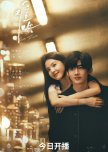
One of the stupidest character development of male lead I have ever seen in drama history. It's take him 26 episodes just to know that something is bothering the female lead. If he knows that she is not courageous inof to tell about her mental health,just ask bro. He is a game developer . He is smart inof to ask questions right. Just ask what happened,why is she always upset. The drama could have ended in 10 episodes. Just Wasting producer's money . Don't make these types of drama ,I wasted my 2 sleepless days for this. When I was watching this, I was so frustrated because of male lead . If I honestly speak about other characters, they are pretty good and well developed through out the episodes, specially the female lead. Female lead's character development was so good and I like her acting also . If I honestly rate this drama then it's a 4 .Was this review helpful to you?
This review may contain spoilers
“A hungry wolf loves the sheep.”
I am back here once again, for I can never say goodbye to this wonderful K-drama I was blessed to watch. (Yes, I don't know how dramatic I could be, but from here on, that's all I suppose I would be. So, hold on!)) Looking back at it, I don't remember falling in love with a work of fiction so endearingly and so hard that one wouldn't know how to recover from it. And boy, I wouldn't even believe one could feel this much. Now, that is the beauty of Four Hands, Two Sonatas.It looks you in the eyes and takes you into its world—a soft, warm hand that tells you it will show you a place full of golden rays basking on the morning roads and the beams of classical music that sing lullabies to sleep and cradle your soul. The humming rain in the late evenings leaves one drenched and weary, steeping you in a misery of longing, rivalry, and redemption. Nights that couldn't get any darker, tinged with a well-seeded trauma, show you an unpleasant, needed reality. But a beautiful friendship, a bond nonetheless of labels, comes to your rescue; it tugs at your shoulder, and suddenly you can only remember the softer moments that move time and the lighter, good things that could happen in the whole world. A voice that sings the way to the stars and gives you hope. It's a world that teaches you true connection and the art of humanity and forgiveness.
Each episode is captured with delicate elegance and pure exquisiteness. Every frame is a canvas of artistry and painted with memorable allure. Every character has their own charisma and grace. The story is written with grounding sophistication that treats every theme and element with dignity and respect. All the actors were phenomenal and performed admirably. One couldn't deny but love their chemistry and passionate peak platonic intimacy.
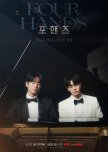
Coming to the story, it centers on two beautiful and handsome (ahem) contrasting piano prodigies—Kang Pi O, a wealthy, rigid, perfectionist student crumpling under the demands of his grandfather and the blockheaded, restless manipulation of his mother. And Choi Jeong Yo, an impoverished, instinctive, and spontaneous pianist suffering from stage fright due to childhood trauma. Also, there's Hong Jae In, a female viola major and friend of Pi O, who becomes a major presence in their orbit and the reason for these two young men to come together and become friends. When their teacher pairs them for a four-hands piano duet, their intense rivalry slowly morphs into a complex, high-stakes emotional bond.
As I recall the first two episodes, honestly (I don't know how I survived them), I was stunned and absolutely humbled by how the whole story started with a parallel transition. An intense dark action scene welcomes us, where Jeong Yo is being abducted, followed by a subtle shift in the frame showcasing a strong, untamed glow as Pi O dances his bloody fingers on the smooth keys of the piano, delivering a fierce and feral orchestral performance. Like a tale, the narrative slowly unveils, revealing erratic, totally unpredictable chapters that come with innumerable emotions—the anxiety, the burden, and the heavy compulsion of a wild past, along with a desperation for attention and approval.
The essence of this drama I totally enjoyed seeing is the dynamics FHTS portrayed with absolute distinction across several phases from high school into adulthood. Pi O is defined by rigid, detached technical perfectionism, grown up with wealth and toxic pressure. While Jeong Yo plays with messy, instinctive emotions and is abandoned, born from poverty. It poetically conveys how some people are rich in material wealth but not happiness; on the contrary, even in poverty, there are souls that live with sheer joy. That raw symphony adds a realistic touch and brings more attractiveness to the whole show.
As they are forced to play 'Four Hands', they become each other’s missing half—Pi O learns to feel the music, and Jeong Yo finds structure. I love how, though both characters are emotionally suppressed by their environments, the music operates and stands between them as a true connection, giving them a chance to see who they are beneath their names. It allows them to glance at their hearts, which have only one goal, providing a choice, a freedom to build a friendship that carries a magnetic tension.
When Pi O first meets Jeong Yo through his melody, he is initially amazed; there's a spark, a rhythm in his eyes that dances to the sweet tune Jeong Yo plays. But there's a quick shift that awakens his inferiority, which swells in his chest—the shame and rapid thumping of fear. It is a reflection of repressed emotion and a rage at experiencing a feeling that belittles him, making him compare his own music, a shiver that battles a throbbing doubt of not being good.
The drama layers the competitive school environment with realistic portrayals of bullying and economic disparity. Oh, I enjoyed seeing Lee Sang Jun as a bully; he was a nerd in Hessu in Class 2; here he erupted a good amount of fire. Honestly, I was thrilled to see where it all would go, then met with how it helped us see more reactions of the main characters—Pi O's subtle way of helping Jeong Yo and acting cool as if he didn't do it to save the latter. For the first time, we actually saw Pi O reacting to the strings he cuffed himself with. And the way he tried to push him away with nonchalance was super cute.
The first ever Four Hands they play together is such a tease to the audience. We see Pi O actually helping Jeong Yo come out of his stage fright, and it was with pure intention, even if it was also because he had to win to prove himself to his grandfather. The most favourable and charming thing we see Pi O doing is 'Candle light'. He lights up the whole room with candles hovering light over the dark walls, highlighting the big black piano placed centre stage. Pi O holds Jeong Yo's arm and walks him slowly to the stage, understandingly treating Jeong Yo's fright with ease and care. Now, now, if it's not a romantic wedding scene, tell me what is it? Like, he doesn't have to go all the way and light up a whole freaking room with CANDLES. A simple lightbulb would suffice, but of course, no. We need the effect to impress Jeong Yo to entirely shoo away his demons and the past trauma, and it's the only way, aye.
Though they are only there for a while, those quiet moments when the boys begin to venture out and find genuine solace in each other, using music to communicate things they cannot say out loud, they were peaceful.
But the fragile peace of those quiet, soulful moments is abruptly shattered when the shadow of the grandfather looms back over them. Despite Pi O delivering an absolutely flawless performance, his grandfather doesn't even grant him a glance—instead, he looks right past his own grandson to seek out Jeong Yo’s raw, unrefined genius. This rejection hits Pi O like physical violence. In a single second, his deeply rooted trauma and the agonizing fear of being 'never enough' completely take over. Suffocating under his own strings and burning with a defensive, heartbroken jealousy, Pi O immediately retreats into his icy shell. Unable to process his own feelings of failure, he chooses to cruelly weaponise his words and push Jeong Yo away.
"I only want to do it because it's with you, not with anyone else." — Jeong Yo
Jeong YO: "One minute you're nice, the next you're mad. It's confusing as shit. Hey, instead of pissing me off, if you're mad at me, just say it straight, is that clear??"
Pi O: "You should've just minded your own damn business. Why are you being so annoying and clingy? I told you, didn't I? I didn't do that duet cause I wanted to. I did it cause I wanted Mister Do to coach me. I got what I wanted. I don't want to waste anymore energy on you. That's why I want to stop, so why do you have so many questions?"
Jeong Yo: "Is that how you're going to talk to me? Hey, okay, cool. It's all my fault. For being clueless and clingy, I guess. Yeah, I had no idea. And here I thought we were actually friends."
It was so devastating how both of their beliefs were always destroyed. Jeong Yo thought he finally made a new friend, and Pi O was almost, almost happy and felt his performance was good enough at least this time. He believed his grandfather would look at him at least now, but, oh god! Seeing their first argument played out with such intense tension—especially Jeong Yo getting angry and vexed, punching the bin as he walks away—always stays eloquent. And not to forget how they didn't communicate, stayed angry, and even had a bloody fight during sports period as if they were after the same girl, and then we are given a perfect reconciliation! Like, omg, Pi O saves Jeong Yo from the loan sharks and aids him by plastering the bandage on Jeong Yo's forehead himself. I mean, Jeong Yo has hands unharmed, right? But of course, only Pi O shall do that, tending to him with delicacy and diligence. Also, I liked how Pi O apologised to Jeong Yo. While some think he just said, "I'm sorry. It was childish," I feel like it was a realistic accountability given Pi O's self-repressed nature and introverted personality. He forwardly apologised, and sometimes that just seems enough. And that was beautifully reflected by how Jeong Yo immediately understood and gushed with happiness. Aww, they're just so cute. ><
"I'm gonna teach you how to have fun while playing the piano." — Choi Jeong Yo
For another while, at least for some time, Pi O and Jeong Yo truly wanted to play the piano for fun, with happiness. Not for others or to win any competitions, but solely just wanted to enjoy the music for a little bit. And what's more worth it if there's a companion who teaches you and you have some fun in life? Their simple moments where they spend time in buses, in the corridors, in chugging, soothing melodies that linger on the road—the type of a lullaby that invites one into its singing crowd. The nuance of their bond that breathes every composition like it's a dew of fresh air, those soft, dawdling eye contacts flapping at every cheerful tune, the exuberant dancing fingers on the latter's shoulders, the art of feeling the music with the whole body heedlessly, the harmonious comfort that beams their smiles at each other thoughtlessly as they sit together to knit a favourite song. Oh, this drama made me fall in love with music all over again.
Also, what's with that shared dormitory phase? And why did Jeong Yo panic when Pi O saw his clothes lying messily in the room? Aren't you two growing men, and aren't you just friends, Jeong Yo? What is there to be shy about? Haha, the entire scene looked as if a girl came to his room. And Jeong Yo was utterly bashful.
And just as I thought we finally, finally got a beautiful friendship that would last long at least this time, all the dreams were swiftly shattered.
The main and most irritating thing, and the whole complexity in the drama, is the parents. And their upbringing. A grandfather who doesn't love his daughter and cannot accept his grandson because the father is someone else, an unknown. A mother who pressures her son from childhood in order to get approval from her father. And the tragedy of the whole plot is how the son has to starve for an acceptance that never comes, crave for an affection that is hard to reach, stay in a place that constantly forbids his joy and is a pool of scorching thorns, and cry every time he remembers how much and whatever he tries; there is no one who could love him for who he is. A shattering life that grows trying to meet others' expectations and focus on winning with an arduous journey, and even if he wins, there is no heart that beats, 'It is enough,' and that 'It matters,' for what he pathetically needs is just a gentle look from his grandfather who only has to whisper he is his family, that he belongs. He is not a nobody or any loser, and that whatever he is trying, it is better; if not excellent or good, it is better.
"What father would love a grandson who ruined his daughter's life?" — Grandfather
It was deeply terrifying how the character is defined by a deeply destructive paradox: he treats classical music as a divine, consuming deity, but treats his own family with cold, transactional cruelty. He was the root of all evil in this drama. He is a bitter and elitist patriarch who uses emotional and psychological abuse as a standard tool of authority. Even though he is a world-renowned orchestral conductor and the absolute ruler of the Hankook Symphony Orchestra, he failed in life by viewing Pi O’s existence as a stain that ruined his daughter’s life. He demands absolute perfection but intentionally denies them the one thing they crave: a single word of genuine validation or familial warmth. That is all they ever wanted.
And oh, how we create demons with our evilness. His coldness is what drives Pi O’s mother to her desperate, villainous extremes. Pi O's mother, Kang Ji Hye, is a tragic yet deeply infuriating character. It appalled me when it was revealed that she is a former elite ballerina. She shocked high society by returning from Germany as a disgraced single mother to raise an out-of-wedlock son. And because she was stripped of her own identity and cast aside by her monstrous father, she turned her son into a tool for her own survival. And that makes the whole show more of a horror. She doesn't see Pi O as a child; she sees him as a human ladder to climb back into her father's good graces and secure her inheritance. She guilt-trips Pi O, drilling it into his head that her ruined life is the price she paid for his existence. Whenever Pi O falters or shows weakness, she weaponises her own sacrifices, making him feel like an ungrateful monster if he isn’t flawlessly perfect.
She not only took her son's years of joyous youth but also his confidence and strength, and the hope that he is a good human being, that he deserves genuine love. She could have spared him a warm childhood, but he had to grow in an atmosphere that constantly had oppressive, overbearing adults and aggressive, wild arguments.
The adults in this drama stood for the merciless and predatory. Across both sides of the socioeconomic spectrum, they are driven by ego, obsession, greed, and unresolved baggage. This ultimately led the teenage protagonists to be treated like property rather than actual people. It drove Pi O's desperation to please his grandfather, and the story turns dark just as they head to a major competition in Prague. However, even after that, the grandfather never truly recognises Pi O; instead, he recognises Jeong Yo. Hence, we see a shift in their friendship; we see Pi O burn with jealousy and once again feel like a failure, making him drift away from the bond and cover himself with a cold appearance.
Then we have Choi Jeong Yo's father, who is revealed later to actually be his stepfather. He is a resentful, poverty-stricken alcoholic trapped in a relentless cycle of severe debt. He treats his son not as a child to protect, but as an emotional punchbag and financial shield. Jeong Yo has to put down his sheet music and work dangerous, grueling jobs. He has to spend his youth protecting his abusive stepdad. Honestly, this drama welcomed me to the reality of what some families are like—not every family has perfect and happy attachments. There are some families that act like anchors dragging you down into the dark, rather than sails lifting you up...
Full review on: https://letterboxd.com/heerawatches/film/four-hands-two-sonatas/6/
Was this review helpful to you?

Lip syncing
If you going to drop the drama in Cantonese then get the actors speak the language. Nothing sucks than watching people’s lips not saying what you’re seeing. This would have been so much better if it had been kept in the original language (Chinese). Anyways, my ADHD can’t allow me to watch things that don’t align.Was this review helpful to you?
One of the best series I've watched
Such a well played out story about two gifted kids who played piano together & then competed in a competition. Both were determined to win but only one could, then tragedy strikes. One boy goes on to compete & win trophies all through his school years but for the other one, life just gets in the way...The musicality is amazing, the acting (from two of my favourite Korean actors) is brilliant. Locations, decoration, musicians & supporting cast all helped make this series spectacular.
I won't say much about the conclusion but it was easy for me to figure out what was to come. It's tense, heart warming, mysterious, gut wrenching & frustrating at times so expect a rollercoaster of emotion. If you enjoy classical music & Korean dramas then this should be right up your street. I would have had some things play out a little differently in the story, but even so I loved this series from beginning to end
Was this review helpful to you?
Would you choose the ordinary jackpot?
Immediately drew me in!The show starts with a tired office worker - everyday is the same cycle. However one night everything changes when his routine is interrupted and he ends up with a winning lottery ticket. His dilemma? What do I do? He decides to continue going to work like nothing happened except he has the guts to be more outspoken.
At the end of the day it's about our mindset and work ethic. What keeps us going? If I woke up with a million dollars would I still go to work?
Was this review helpful to you?

Must Watch
Between the captivating storyline and the phenomenal cast, I’m completely hooked. Cheng Lei is an absolute standout. He doesn't even need dialogue to pull you in, his facial expressions speak volumes, making you feel every single emotion. He is well on his way to becoming a truly great actor.The staging and costuming deserve immense praise; it is clear that meticulous effort went into even the smallest details. Furthermore, the opportunity to immerse oneself in China during this captivating historical period is genuinely fascinating
Was this review helpful to you?
Rushed but Still Full of Feels
I really enjoyed this drama, and honestly, what kept me watching week after week was Wei Daxun's charming smile. Every time he appeared on screen, he brought a warmth and charisma that made it impossible not to root for him. Even during slower episodes, his presence kept me invested, and his chemistry with the female lead was one of the biggest reasons I stayed until the very end.For most of its run, the drama struck a good balance between romance, emotions, and character growth. I found myself genuinely caring about the characters and looking forward to seeing how their stories would unfold. The relationship development felt natural, and there were plenty of moments that made me smile, laugh, and occasionally tear up.
Unfortunately, the final stretch didn't feel as strong as the episodes that came before it.
The ending felt a bit rushed, and the last few episodes lacked the cohesiveness that had made the earlier parts of the drama so enjoyable. It seemed like the story suddenly realized it was running out of time and tried to tie everything together as quickly as possible. While all the important plot points were addressed, some resolutions happened so fast that they didn't have the emotional impact they deserved.
I kept feeling like the drama was trying to do too much at once. Instead of allowing key moments to breathe, it jumped from one development to another. There were scenes that should have carried more weight, but because everything moved so quickly, those moments didn't fully land the way they could have.
One thing I couldn't stop thinking about was the amount of time spent on the third couple. To be honest, I don't think we really needed that storyline. It wasn't terrible, but it also wasn't compelling enough to justify the screen time it received, especially when the main story was already struggling to wrap things up properly. If the drama was short on time, I would have much rather seen that airtime given to the main leads.
And that's really my biggest complaint.
After everything Ye Xinzhi and Xu Chi went through, I wanted more of them. More conversations, more quiet moments, more flirting, more happiness. The drama spent so much time building their relationship that it felt strange not to get a little more payoff at the end. Instead of focusing on another couple, I wish the writers had given us a few extra scenes of Ye Xinzhi and Xu Chi simply enjoying being together.
Despite all that, the drama still delivered emotionally. Even with the rushed pacing, the feelings were there. The cast did a great job bringing the characters to life, and I remained emotionally invested until the final episode. The romance was sweet, the emotional moments worked, and the chemistry between the leads carried the story through its weaker parts.
Overall, this wasn't a perfect drama, and the ending definitely could have been stronger. But it still managed to leave me with a smile on my face. The final episodes may have felt rushed, but the emotional payoff was enough to make the journey worthwhile. Most of all, I'll remember Wei Daxun's irresistible smile and the chemistry between Ye Xinzhi and Xu Chi. I just wish we'd gotten a little more time with them being shamelessly happy and lovey-dovey together before the credits rolled.
Was this review helpful to you?
Cheng Lei is made for this era type of dramas!
My first Republican era drama and does not disappoint. Loving the costumes and sets which reminds me of the VR games that were played in Love Between the Lines!I’m a fan of Cheng Lejt but have only ever watched him in historical dramas. I must say he is oozing charisma in this genre. As Fifth Master Yu, he comes from a world of power and privilege. It is clear that there are unresolved issues between his father and him which I am keen to understand.
Xu RuoHan who I watched once in The Best Thing also looks very suited in this particular era. I can already feel the chemistry between the ML and FL, if I dare say better chemistry between her and Cheng Lei is better than Zhang Ling He. She is clearly worlds apart from Fifth Master Yu but their worlds are about to collide.
More updates to follow as it progresses
Was this review helpful to you?

This review may contain spoilers
Somewhat unique dynamic
Honestly, I wasn't as fond of it at the beginning. I wasn't even sure I would be invested until I actually got to know about the characters themselves. Their interactions as well as the character portrayals and personality was amazing. I absolutely love the fact that the characters weren't just stoic or following one personality trope everywhere which made it feel more real! When I expected Jiang Zhen to seem like your typical cold/stoic instructor but then there's the moments where there was a boyish charm to his character that made everything feel much lighter, even the casual jokes or playing around. Bai Fan's character had so many switches that I don't even know what to say, he appeared as the sweet trainee character but then turned into your typical annoying obstruction to his former mentor, and it all did such a flip when it became more obvious he just cared about his mentor and was doing everything for him, like that dynamic is so cute!! And Qianya was such a refreshing entry too! How at first I thought she would just be the damsel in distress but instead she saved the damsels haha! I felt that the way they revealed her past was a little plain and off putting, but the character background was fine nonetheless. Also did I forget to mention all their voices were really nice to hear, it was very refreshing and a change of pace for myself, especially cause I love found family tropes and this was just a cherry on top!Was this review helpful to you?
Idk what to say
This is my first review, so please bear with me.Tbh I was very unsure, of I should watch drama or not because of the different reviews, but then did nonetheless. It actually synopsis actually sounded promising, so I decided to give it a go. Well, so I thought.
First of all, I wasn't really convinced on the acting of the FL. Not much of emotions were shown and if they were, they were very stiff. ML gave his all, as same as the other characters, but her? None.
The story sounded, not bad also not great, but how could anyone actually believe she was a man? I don't wanna critique anything, but dressing and sitting like a man, doesn't make you one, especially with her build. Also, the she escapes from the ML, then all of the sudden they are in a desert, although they were in forest with a river before? Makes no sense at all. You don't really get to know, how long they've been in the desert, but then they are all of the sudden and immediately get attacked by wolves. Those wolves, while scary looking, looked nothing like real animals. Also questioning on how fast she actually crafted an arrow and bow in the wilderness, but ok I guess? Also, why does he (ML) already falls for her? Very fast in my opinion. Honestly, I could go on and on, with all the things that made no sense or even annoyed me (like the ML's sister for example), but then it would be never ending.
OST wasn't neither bad nor good, because, it didn't really stick out to me.
This is definitely not my cup of tea, but if it's for you, go watch it, nobody stops you.
Was this review helpful to you?
Slow burn but loved it❣️
Dazzling is a sweet coming-of-age drama with lots of heart. Li Yunrui is absolutely gorgeous! 🫠😍 The family and found family dynamics are what make the story shine. I’m a sucker for long term friendships that become true family and moving through traumatic events together. It starts a little slow, but stick with it, it's definitely worth the watch. I’m biased though, I’d watch anything with Little Lin/Sunny Smize. 🌞 ❤️ The healing vibe of this coastal town romance completely stole my heart!Was this review helpful to you?
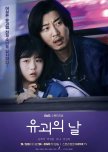
What a wonderful show!!
I loved the father-daughter dynamic between the leads. It’s funny, heartbreaking, and so heartwarming to watch them together. Yuna absolutely nailed her role and is undoubtedly the star of the show. Her acting in the emotional scenes is flawless. I also really liked the Ahjussi, who did a great job acting alongside the child.Even though the story took a direction I wasn’t too fond of, I never felt like the show lost its quality. The father-daughter relationship between them brings the magic back, even in moments when the writing falls a little short.
The ending was great and wrapped everything up nicely, but I wish we could have seen more of them interacting as a family, just going about their everyday lives. I’ll miss seeing those two together!
Was this review helpful to you?


