
 News


 1

This review may contain spoilers
Nonstop Plot Twists But very Addicting!
Secret Makeover is engaging and addicting from beginning to end, but they sure take the “Who Done it?” Concept to a whole different level. I kind of reminds me of Burn the House Down, another J drama about a fire and a young woman who turns up to investigate, and literally everyone and their cat becomes a suspect and starts acting fishy. So many red herrings I don’t even know which way is up or down and who to trust anymore! The show stars Haruka Fukuhara who was the bright eyed bushy tailed junior realtor from Shōjiki Fudōsan/The Honest Realtor and the female lead from that show plays Mitsuko’s sister Mariko.Secret Makeover had me crying at many points, and drooling at both of the male leads, but alas Mitsuko doesn’t care for either of them even though they are both in love with her… sigh, I don’t know why that makes it feel bittersweet to me, but Mitsuko is surely a headstrong woman who doesn’t actually need a male romantic figure at all. She stands on her own. She brings Natsu from the depths to the highest of heights through a total makeover inside and out- she transforms this single mother and both of her grown kids into self assured, confident characters. The show makes you feel the bond that develops between all of them- the Natsu family and the Kujo family.. Haruto is adorable from beginning to end, and so is Tomo. I love show- it shows that the total makeover goes right down to the soul. Heartwarming, shocking, suspenseful.. and gorgeous scenes and settings that look like they’re out of a storybook.
“If you change yourself, you change the world.”
Was this review helpful to you?

This review may contain spoilers
The “Diamond” Michiko is back!
Daimon Michiko, the greatest surgeon of all time is back and working at Totei University Hospital- it sounds all fancy with bloated titles and rankings, but there is so much corruption and dirt under the surface. Leading the corrupted organization at this time is none other than Director Hiruma who remember had surgery done by Michiko in the last season and she saved his life, but his memory is short and his corrupted heart is stronger than his gratitude towards her so he continues to treat her like a pest that needs to be exterminated or exiled rather than the top surgeon that saves their entire reputation and does all the actual work. Everyone else is practically useless except for her. It’s like she’s the main character and all the others are NPCs with no real skills of their own, just self centered scripts to blow up their reputation.This time the season starts with Michiko in NYC as she waltzes into a random hospital and starts doing surgery on some patient that falls down in the middle of a restaurant- I don’t get how there are all these stage 4 cancer patients just writhing in pain randomly like that, but hey it makes for good drama when they collapse and “need to have emergency surgery right now or they will die!” So Michiko saves this lady and catches the attention of this lady who stole her Gyoza dumplings- like seriously who steals food from Michiko when she’s hungry? Good food is one of the only real rewards she gets for all her genius work! Anyway this lady is the head of that hospital or something and she ends up going to Japan to Totei Hospital and bringing along with her this “Americanized” Japanese doctor Kitano who speaks both English and Japanese with a weird show off kind of accent, and hiring Michiko into her team. Turns out she’s the sister of the previous director of the hospital who has now conceded the position to Hiruma. So Akira San calls Michiko and tells her to come back home or “she’ll be fired,” so she starts/resumes her position at this hospital under Hiruma.
Michiko deals with new scandals and patients- famous patients, celebrities that are so famous that the whole country is dying to know about his surgery, etc. and of course most of them collapse in pain of course and need emergency surgery or else they will die lol. The most touching story was of the anesthesiologist Jonouchi who has life threatening cancer like everyone else and Michiko for the first time seems like she might fail and she even thinks that she has failed in the first round of surgery. But turns out it was a necessary failure to shrink the tumor and turn it back a stage to be able to be removed completely with another surgery. The scenes where her surgery was finished and her daughter Mai and Akira San go to the church to pray for her life was very touching and beautiful. It made me cry.
So another great season, and I’m here for Michiko. When I saw her tearing up at her bond and determination to save her friend and anesthesiologist colleague Jonouchi, it was very sweet. She has come a lot way since the first season - back then she didn’t give a crap about anyone and only handled the patient. But now it’s like her heart is softening and her colleagues Kaji, Haru, and even Kitano are there to help, all on Christmas Day. It’s very touching to see the collaboration and energy she brings around her. Even though at first she might seem hard to get along with, any genuine person knows that Daimon Michiko is full of compassion and love for those around her that she has dedicated her life to serving people all the time.
Was this review helpful to you?

This review may contain spoilers
Michiko deserves better!
After being fired from the first hospital in season 1 (for saving people’s lives) by Busujima and his panel of hi-fi steak eating aficionados, Michiko starts a new job as surgeon at Teito university hospital first hired under the internal medicine chief (the woman horse race lady whose name I forgot), and then hired under Hiruma, the surgery director. It’s astounding how corrupt these organizations and power structures are, which Michiko’s honesty and integrity cutting through the whole system like a knife (no pun intended). She literally saves everyone’s life, like the internal medicine chief lady for example, and they have zero gratitude and just turn around and stab her in the back. The young handsome dude who was being groomed to be the next director by Hiruma (forgot the guy’s name) ends up publishing a case study for a surgery that Michiko proposes and carries out all on her own which involves a simultaneous transplant from two patients - wives of internal medicine and surgery doctors. It becomes a hit and the said handsome dude takes the credit and fame from what should belong to Michiko. Oftentimes Michiko is performing 2 surgeries simultaneously or back to back because of the incompetent surgical staff, but others take credit for her divine work- it’s infuriating! Reminds me of a corporation where the boss or CEO takes credit for all your hard work just to make their image look good. Then there’s the Locum agency director who is in charge of Michiko- he bills the hospital for Michiko’s work, gives them a melon, takes the money, and leaves Michiko with nothing but maybe a sushi dinner and a crappy place to stay. Where is all that money going I wonder? Michiko doesn’t seem to get a single penny of it. He keeps saying that she’s paying off her father’s debt which I suspect is a lie. I think that the guy is simply pocketing the money and exploiting Michiko’s genius but she is too naive to notice what’s going on. She simply wants to do surgery and save lives- that in itself is her purpose and reward. She doesn’t even desire money, fame, or status. Outside of surgery and the hospital, she becomes like a little child- dependent on the Locum agency director Mahjong guy, Akira San like he’s a father figure to her. But she needs more agency with the gifts she has. She deserves better with her divine gift! The whole world just exploits and takes from her and gives nothing but criticism and attacks to her. One guy Dr. Kaji..? Actually calls her a demon! What on earth. Because she isn’t fake polite for manipulative reasons and speaks her mind openly and honestly they call her a demon? When she’s the one saving lives and the other doctors are just cashing in on her accomplishments- taking the credit or money.. it’s so unfair. Michiko is being exploited! Please protect or save Michiko! She deserves better! But this series also shows how fickle all the authority and status and power is, as people get fired and dismissed left and right and even those who seem to profit off of Michiko’s surgical accomplishments eventually topple. The medical Pharisees strike again… and Akira San swindles all her money… But the Christ figure resurrects and strikes back! With that said, this series is seriously addicting.Was this review helpful to you?

Dr. X is the Sailor Moon of doctors!
There I said it- a typical day in the life of Michiko Damion goes like this: she gets hired as a freelance surgeon in some fancy hospital, run by stuffy bureaucracy and hierarchy, with some old shriveled dude with a swollen ego doing his “rounds” with his doctors while getting favors and gratuities from patients. The surgery case often starts with a conference or meeting among the surgeons and the chief where they discuss some patient with a crazy cancer that’s spreading like wildfire. Then they ask “Who can take on this case?” Michiko’s hand shoots straight up and she says she can do it, plus she never fails- her signature line: “Watashi.. shippai shinai no de.” Her confidence is through the roof. Daimon’s confidence doesn’t come from titles, status, or hierarchical power handed down by humans. She carries divine authority straight from God, and works like a thousand handed Goddess, as cited by the chiefs themselves. Unfortunately because of her straight shooting and honest manner, Daimon is not welcome at these conferences and is often thrown out. They pick another incompetent surgeon to do the job. Someone who will inevitably fail so that our heroine Michiko can save the day. Somewhere between then and operating day, Michiko bumps into the patient- she always meets the patient beforehand and talks with them. Then on surgery day, the incompetent surgeon chosen for the job starts sweating and Michiko says “Move!” And then asks for the scalpel and monopolar and all her cool gadgets. She is “like a pit bull” in the operating room, as told by her own Locum agency coordinator, who essentially charged insane prices for her surgeries, but never really shows her the money (more on that later). So Michiko does some serious magic in the operating room, puts her hand over the patient’s heart or arm after completing, to transmit her healing powers to the patient, and the patient’s life is saved! The administration and powers that be are so threatened by Michiko’s surgery genius that they try to suppress her existence, and cover up her work with someone else’s name, or sometimes straight up fire her. These worldly authorities are jealous of her divine surgical and healing powers.Reminds me of the Pharisees in the Jesus story- they carry the worldly power and authority but are hypocrites and only concerned with image, status, and reputation. So when a true healer comes along with Christlike powers, they seek to squash it and diminish her. I see so many similarities between Michiko and the biblical story. In fact Michiko is an archetypal Christ figure- the one who heals with divine authority, who never fails in healing and saving lives, who is ostracized, with no real friends in the world, who is constantly scapegoated and smeared and gaslit by the system. But in her compassion and will to serve, she continues to do surgery after surgery and she can’t help but save lives and heal. It’s what she’s built for.
Though her hobbies say surgery, she loves playing Mahjong with her Locum agency director who I suspect is basically swindling all the money she is making from surgeries and barely giving her food to eat. She begs him to buy sushi and shrimp tempura when she should be swimming in a sea of money. Where does all that money go? She lives in a dump with that agency director and other doctors in that agency and it looks so ghetto. But when she arrives at the hospital, Michiko looks like she stepped onto the runway in 6 inch high heels and mini skirts. She’s an all star, Doctor X- the Sailor Moon of doctors!
Was this review helpful to you?

This review may contain spoilers
Kuwano San is my role model! But this Show is Fear Propaganda for Marriage
This show was subsidized by METI- Ministry of Economy, Trade and Industry of Japan- for a reason- to encourage population growth and to promote marriage in a society that has a declining birth rate. It says this in the subtitles at the end of each episode. So the agenda is clear, that it is a government sponsored propaganda to promote marriage which informed the entire script.He Who Can’t Marry- reduces human beings down to a marriage status- that’s what their entire identity and worth is based on. The show introduces Kuwano Shinsuke, a successful middle-aged architect in Japan. He’s single, lives alone, and cherishes his independence. He cooks gourmet meals for himself, listens to classical music, drinks his milk, cleans his apartment, builds Titanic replicas, and enjoys meticulously controlling his space. He doesn’t “need” anyone for happiness, and that’s exactly the problem the series sets out to “fix.” Turns out Kuwano San (played amazingly well by Hiroshi Abe) is the most lovable character in the whole show, with the women and others around him only serving to shame and criticize his blissful singledom and mindful lifestyle.
From the first episodes, the show treats his contentment as an eccentric flaw. He is a problem to fix. His solitude isn’t framed as valid. It’s framed as an obstacle the plot must overcome. In Japan’s cultural context, the proverb “The nail that sticks out will be hammered down” is at work here. Kuwano is that nail, and the entire season is a slow attempt to hammer him into a socially acceptable mold: married man.
To make the hammering seem necessary, the writers try to make Kuwano intentionally unlikeable. He’s blunt, sarcastic, and often says the quiet part loud. This is not accidental. it’s propaganda framing. The subliminal message is: “See? If you stay single too long, you’ll become mean and bitter like this.” Actually the opposite is true- people become incredibly bitter and trapped in marriage and families. The guy doesn’t need to get married to learn basic manners. The fact that Kuwano san stays true to himself from beginning to end shows how strong he is to face the collectivist group think, image obsessed culture and to walk alone in the truth.
The character is designed to provoke the audience into rooting for his transformation, not because marriage would improve his life, but because the format demands he be “redeemed” through romance.
Kuwano’s opening stomach-ache subplot is the show’s oldest planted seed of propaganda introduced in the very first episode and trotted out as proof that living alone is a health hazard. Kawano’s diagnosis of “acute gastroenteritis from fatigue and poor nutrition from living alone” is framed like a cautionary tale, as if independence inevitably erodes the body. The guy eats too much meat- fine, eat vegetables alone- big deal! But the script never turns that same scrutiny on the married characters, whose lives are a slow bleed of chronic sleep deprivation, stress, and neglect of their own needs. In the show’s moral math, family-induced burnout is “normal” while a single man’s stomach ache is a red flag: a neat little warning to fall back in line and get married!
Enter the Doctor: Hayasaka Natsumi. The main female lead in Season 1 is Dr. Hayasaka, an unmarried woman who is almost 40. From the moment they meet (after Kuwano collapses and ends up in her care), their interactions are a mix of hostility and reluctant tolerance.
Kuwano regularly insults her life choices:
• Suggesting she should have given up her career years ago for a “better married life.”
• Scoffing at her for being single and often alone, despite being single himself and going everywhere alone.
Here’s the hypocrisy: he’s projecting his own socially shamed status onto her, while doing nothing to “fix” it for himself. Yet the women around him rarely call him out on it, because the script needs him to remain unchallenged until the “big confession.”
The Propaganda Romance Arc:
The core romance between Kuwano and the doctor is built on antagonism. He keeps showing up at her office for some stupid reason, maybe because unconsciously he’s drawn to fighting with her. They spar, they bicker, and the show wants you to interpret this as chemistry. The subtext is: “Even if you’re incompatible and constantly bullying and insulting each other, it’s still better than being alone.” By the finale, Kuwano has a moment of “growth” where he tells Hayasaka he loves her. It is so bizarre and awkward, because that line comes out of the blue from a sea of barbs and insults, and it’s not believable at all. If anything, it is the first time in their relationship, he speaks to her without an insult. This is not love at all, but she is in tears, less from deep love than from the relief of finally not being attacked. The audience is expected to interpret this as a romantic breakthrough, but it’s an utter joke. In reality, it’s not love, it’s projection. It’s two people constantly insulting each other, mistaking a moment of relief or recognition for a lasting bond. Season 1 isn’t about personal transformation, it’s about getting a trophy for the societal scoreboard. Kuwano represents the “hard case,” the man who swears he’ll never marry. The show’s payoff is the fantasy that even he can be softened, conquered, and assimilated into the marriage machine.
There are other side female characters that reinforce the same pattern of mistaking projection or convenience for love. Michiru, the young neighbor, spends most of the series wrapped in romantic daydreams and petty social dramas, often as the target of Kuwano’s rudeness and emotional coldness. Her own preoccupation with finding a man makes her susceptible to misreading events. By the end, when Kuwano helps protect her from a stalker, the relief and gratitude flood her into briefly believing she’s in love with him. It’s not love; it’s a trauma bond born from rescue. Then there’s Sawazaki, the quietly competent assistant who’s worked with Kuwano for eight years. She probably understands him better than anyone else in the show. Her familiarity with his rhythms and quirks is the closest thing the series has to a stable, grounded connection. But it’s one-sided. Kuwano bluntly labels her as “convenient” because she handles client issues and clears his path to focus purely on architecture. In the show’s logic, even this long-standing, functional rapport isn’t framed as “love” because it lacks the romantic script. Instead, it’s treated as disposable, just another support role in service to the male lead’s journey toward the state-approved ending. The only decent bonding moments in the series come from Ken, the neighbor’s dog, which suggests that Kuwano is far better off which a dog for company rather than seeking women and insulting them constantly.
Even in Season 1, the cracks in the marriage ideal are visible if you’re paying attention. Kuwano’s married acquaintances don’t radiate joy (aka his brother in law who tries to buy a hostess an expensive purse instead of using the money for his family) They display boredom, escapism, or thinly veiled resentment. The show doesn’t dwell on these details—but they’re there. This undermines the stated goal while still pushing the script: “Marriage might be flawed, but singlehood is worse.”
By the end of Season 1, Kuwano’s confession of “love” to the doctor doesn’t lead to marriage. They’ve barely ever had a decent loving conversation. In fact, when Season 2 opens, we learn he and Hayasaka didn’t work out. She goes on to marry someone else. This confirms the hollow nature of the Season 1 arc: it was never about a lasting relationship. It was about manufacturing the moment when the nail “bows” to the hammer, even temporarily.
What this show really does:
1. Demonizes singleness by making the single protagonist grumpy and socially abrasive.
2. Equates marriage with redemption even when there’s no evidence it would make him happier.
3. Uses antagonism as romance bait, training viewers to see sparring as love.
4. Skips the results test, never showing a marriage that actually delivers sustained joy.
5. Lays the foundation for Season 2’s propaganda by planting the idea that independence is secretly loneliness.
This show is essentially the recruitment poster for the state-sponsored marriage drive. It introduces the “problem” (content single person), sets up the “solution” (romantic confession), and glosses over the fact that the solution doesn’t work long-term. Most reviewers celebrate the lighthearted comedy and high production values, completely glossing over the shaming undercurrent and the agenda telegraphed in the opening statistics about unmarried adults being a “problem.” This is exactly how the propaganda stays hidden: dress it up as “funny” and “cute” so the audience laughs along while internalizing the message that a single, self-possessed life is defective until it’s merged into the state-sanctioned family unit.
This show lacks any sort of wisdom about true love. It’s not about love at all. It’s about conversion and compliance with the system to keep society going. “Get married and pop out babies so we can keep the society going! We don’t care about your happiness, just do as you’re told. And if you’re happy, free, and single, we will call you lonely and constantly attack you for it.” And the show’s own sequel proves it: even after the “conversion,” marriage doesn’t last, and the marital happiness they’re all chasing is elusive.
In the show’s logic, Kuwano and Hayasaka aren’t just “quirky singles,” They’re glitches in the social program. They’ve slipped the net. They’re not generating children for the system, not tethering themselves into the cycles of marriage, mortgage, and consumption that keep the machine running. That’s why the tone is so condescending. The script treats them like broken gadgets—malfunctioning units in need of repair. The shaming, the subtle digs, the endless setups and matchmaking attempts—all of it is the matrix trying to drag them back into conformity. They’re the ones who unplugged, even if they don’t know the full scope of it. And in the eyes of the system, that’s dangerous. An anomaly living peacefully outside the script makes others question why they’re still trapped inside it. The fools around him see a grumpy grinch, but in truth he is a genuine, enlightened presence that is totally misunderstood.
Was this review helpful to you?
This review may contain spoilers
More seasons! I love it
This show really opened my eyes. On the surface, it’s a funny, comedic series about this real estate agent, formerly known as “Liar Nagase” and how an incident causes him to be blessed (although he says cursed) with the Spirit that blows through him whenever he is tempted to lie, and forces the truth out of him. He starts off as a lying, manipulative realtor that will do or say anything to get a contract, including all of its bells and whistles. Turns out he learned this from a former employee Kamiki, who taught him all the manipulative techniques to become number 1 at any cost. Tosaka Real Estate where Nagase works, along with its rival Minerva use this ranking system that pits salespeople against each other for some competition where the #1 salesperson for the month gets serious perks. Minerva is all around scammy and will go to any level to get money and contracts, but meanwhile Tosaka has a little more ethic- especially since Nagase’s Spirit blessing of honesty started, he starts to inspire others such as Tsukishita who is his younger female coworker who is open hearted, polite, people pleasing, and earnest. The series shows how this spirit of honesty and inner alignment with truth changes Nagase’s perspective on life, where he used to live for money, the flashy high rise life, hooking up with random women, and the number 1 sales spot, but now sees something more important than the number 1 spot, which is bringing joy to others, which makes him happy. He starts to feel for the first time a sense of happiness and meaning in his job, whereas before it was just a cold, hard game. His approach even softens the heart of Kamiki, his number 1 rival when Kamiki starts working for Minerva and becomes a villainous rival of sorts for Nagase. It’s like Nagase is battling his own former self or shadow, and sheds light on Kamiki’s obsession with #1 being an armor of protection and a way coping for immense grief and pain he hides inside. Kamiki was a fascinating character, and when his backstory was explained, I was in tears. All villains are hiding great pain, and if it was only allowed to process instead of the ego taking over and creating a mask where they felt powerless, there could be healing and restoration of the soul. But if it is given to the ego, then it creates this hardened, insensitive, manipulative mask, a false self and a shell in place of the suffering victim which becomes a dangerous force. In fact, all the unprocessed pain in the world creates this callous, harsh world and atmosphere that you see in the series. And Nagase along with Tsukishita become like beacons of light in such a world. Once you get past the grief inside, you find the joy of Spirit deep within, that radiates throughout the world. The title song “So far so good” by Kazumasa Oda that plays at the end of every episode is so touching and heartwarming. It really speaks to the healing and joy of Spirit that is brought to everyone at the end of the day when honesty and genuine intentions are extended to all.As far as performances go, I grew to really love the guy who played Nagase (Tomoshima Yamashita)- at first I wasn’t used to his face, and he just looked like a total a-hole, but then as he went through this honest transformation by the spirit, I found him to be more and more attractive. Then I looked him up and I realized he was the naked dude in Alice in Boderland! Ohhh it makes sense now! In the second season they changed his haircut and he gained weight, so he was definitely not as attractive as the first season. He had more of a dad look in the second season lol. But his character was solid. I loved Tsukishita- she was so sweet and innocent, and when I would go out into the world and encounter mean and horrible people, I would remember her and her smile and it would make me feel better- like there is some light and kindness in this world. Kamiki was my other favorite- his charisma was off the charts, even though his tap dancing was strange and comical- it was very “anime” like for a villain so I thought that was cool too. His backstory was so sad and it gave him more depth as a character especially when seeing his grief and his transformation towards the end, where he questions everything- his philosophy and so even the unbeatable villain has this soft spot where he is humbled and brought to his knees. It was sweet to see the end where it showed that he could change too.
Was this review helpful to you?
Hirugao: Love Affairs in the Afternoon
0 people found this review helpful
This review may contain spoilers
This story is about more than just an affair
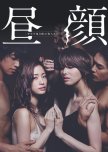
Why do people have affairs? Because something in them wants to escape the system of control, ego, manipulation, fake performance, and imprisonment that their current relationship or situation poses. That was the case with all the relationships in this show that involved affairs. Rikako’s husband was a crazy tyrant who looked down on Rikako and only saw her as a pretty face and nothing more than someone who should smile and play a role. Meanwhile, Kato the artist actually SAW her, deeply and loved her. But he didn’t have the status, the looks, the money, the fame- all the things that the world calls security.Then there was Sawa- her husband was a weirdo, avoiding any sort of passion or love in the relationship and acting like they were gay best friends. Meanwhile, Yuichir’s wife was a psycho narcissist and acted more like a prison warden than a wife. The love that blossomed with Kato and Rikako was pure. And the love that grew between Sawa and Yuichiro was even purer (see the Hirugao move 2017). The series explores how the whole world can be against true love, but only rewards performance- marriage is a performance, simply acting and selling a fake image that you’re happy to create the facade of an enviable lifestyle. Meanwhile all the married couples are dying on the inside. Yuichiro looks like a hollowed out shell as Noriko bosses him around and drags him by a short leash. She literally tries to control everyone around her. Marriage is revealed as a system of control and performance to sell a particular image, and not about love. That’s what the affair is about. An affair is an awakening out of the fake curated life from hell. The marriage is the actual fantasy, and the affair that is usually called an escape or fantasy is actually the portal into something real, true love without performing for others. But the system cannot allow such love- it always uses control, manipulation, and domination to keep true love separated. And that was how the series ended. It was disappointing to see how the Rikako-Kato story ended- with him paralyzed and homeless, and Rikako going back to her fake curated life once again. Fortunately the movie had more to show on the story between Sawa and Yuichiro. That ended on a tragic note, but love prevails in the end.
Was this review helpful to you?

This review may contain spoilers
This Isn’t a Story about Divorce
Yes. This isn’t a story about divorce. It’s the parable of the prodigal son disguised as political satire. This wasn’t about Yui, her story or the love story of her marriage with Taishi. When you watch the full first season, it shows that it is actually about redemption. It’s about coming into you own presence, power, and purpose, and not performing for validation, but getting in touch with the true fire of purpose that burns within the heart. At first I thought this story was about Yui and her marital struggles. But at the end, I realized it was more about Taishi’s wake up call- starting as a spoiled politician’s son, having affairs and ruining his own image, not realizing the gravity of the power that was given to him. And only when he lost it for the first time in his life and became truly humbled in every way, including his divorce, was he able to earn it back by getting in touch with the true fire and passion within his own heart and bringing it into being. He could have never survived as just the generational nepotism based politician whose position was handed down by his father. Instead, he had to be humbled by life and take on new roles and responsibilities that awakened his own soul.In the beginning of the series, it was more about Yui’s struggles and Taishi and his story looked cartoonish. But then as the series came to the close of season 1, Taishi and Kyoji (Yui’s lover) both came to life and found the spark within.
Taishi’s reckoning was stunning and it was incredible to see his last speech at the National Diet forum. His presence was totally different. What a series. I was devastated at the loss of the first election, but went through the whole last episode thinking “omg I’ve never seen anything like this..” the journey this series took me on… the lessons taking me through the wheel of karma- rise > hubris > collapse > void > return. Taishi circles back to the Diet wearing the same sash, yet nothing about him is the same. The public sees a comeback, but I see a resurrection.
Was this review helpful to you?

This review may contain spoilers
This romance is SUCH A VIBE!
I just finished watching season 1 of this show (I assume that’s all there is)… it was the perfect romantic drama. There was so much HEART in this series- when I’m watching a J drama, I’m looking for the vibe, and I just want to feel that beautiful ‘Je ne sais quoi’ love that they’re able to capture so well. And this one did it perfectly. Western entertainment simply cannot capture this and I can’t think of any example where they capture the sweetness and spiritual side of love the way J dramas do.I just loved the chemistry between Kurumi and Shun, it was just so tender, cute, humorous, and electric. And they actually communicate openly like normal people! I found that refreshing compared to other J dramas. All I can say is that they were meant for each other. Their love was warm, tender, without the usual glamour and fireworks that soon fizzle out. There was just something about their love that felt warm and fuzzy in me- I could feel it! And Shun was omg, sooo handsome like a real life anime character. It’s like he was drawn and came to life. So back to the romance. Sometimes in J dramas, the chemistry isn’t quite there and it’s the storyline that pushes the two together, like the last one I watched about a yoga teacher falling in love with a single dad which was just bad- they had almost no chemistry, but the plot forced them together at the end which annoyed me. But in this one, the sparks were flying. But they were warm, smooth sparks. It wasn’t a stiff “sumimasen” relationship (overly formal like in Eye love you) - it really felt like the two had a beautiful real bond where they truly cared about each other.
Hayama was also a lovable character- initially I thought he’d be like a villain, but he too ended up being very endearing and had so many strengths in him, but was late to the party. Too bad the woman can’t just choose both.. sheesh. I actually love the two men fighting over one woman thing- though it is rather painful, in a sense it shows that in Japanese entertainment they show value and respect for their women and show them being loved till the end by the male characters (unlike Indian entertainment that devalues Indian women which is why I don’t go near it. Anyways!).
The whole series was a beautiful slow burn and if you enjoy feeling the vibe of romances, you will love this one. The only thing that threw me for a loop was the last 5 minutes of the story- it’s like they decided to move the plot along and finish things up and package it up all nice and neat (Spoiler alert- Shun and Kurumi get together, get married, have a kid.. all happens within like 5 seconds). That was a little fast for me lol. But I was wondering what the resolution would be since the last episode was dragging a bit.
I loved all the cooking and food montages with Shun- he was such a catch- I mean, a guy who is so handsome, loving, and lovable AND can cook amazing meals too? Where can I find me one of those?? I was hoping that he wouldn’t get back with old girlfriend Hana and thank God for that. But I thought there still could have been hope for Hayama and Kurumi- but he was packed off to Turkey even though he admitted his feelings for Kurumi at the end. Ahhh it makes everything that much harder to decide. The two men fighting over one woman trope never gets old for me. I live for it lol. Better that than the other way around.
I love the song “Fushigi” that they keep playing throughout the series- it just adds to their beautiful love story vibe. I just love Shun and Kurumi’s romance. For me, it’s at the top of all the romances I’ve seen in J-dramas. Enough said!
Was this review helpful to you?

This review may contain spoilers
A little boring
I really wanted to get into this drama because I quite like the female lead. I find her to be refined, and charismatic in the way that she carries herself and her role for being the one who writes all the wrongs in the world. But I just couldn’t get past the boring story. It’s it’s quite boring. I don’t know. So I have paused this one and have moved on. I might come back to it later.Was this review helpful to you?

A Calm Sea and Beautiful Days with You
0 people found this review helpful
This review may contain spoilers
The FL is derpy, annoying, and ruins the show
My ratings are primarily based on the weakest link which also happens to be the most integral role in the show- the female lead. I can’t say enough how poor the casting here was. Ok I get that the female lead character Nastumi is supposed to be “quirky” or whatever, but there’s a difference between adorably quirky and downright weird. If I could describe her acting in one word, it would be: Ridiculous and idiotic. I guess the actress is trying too hard to be relatable or whatever in the old period drama, but her expressions and acting are totally unnatural. She ends up looking like a total weirdo in most of her scenes, and it’s so offputting. It’s the actress that’s the problem- in her other show Takane No Hana, where she plays the insecure younger sister, she was a little more in the background since she was not the focus, but still looked like an insecure mess in her role. But in this series with her playing the lead role, she’s a downright disaster. My low rating is primarily because of her horrible acting job, that makes the rest of the cast look out of place next to her as well. I get that her character Natsumi is inexperienced in romance etc. but her expressions are so exaggerated and overacted, like she’s having a heart attack multiple times a day, that she leaves nothing, no subtlety in her performance whatsoever. Even in the romantic scenes where you’re supposed to feel the magic of their connection, she ruins the moment with her awful derpy expressions. She acts like Mr. Bean- even his facial expressions and body language are more graceful than hers. When she’s trying to be cute, she wrinkles up her nose and squints her eyes and juts her teeth out, and sometimes does this weird wide eyed blinking thing with sound effects- it’s not cute or natural- it looks forced and scary. From episode 7-8 onwards I stopped looking at her face and focused only on the subtitles. Unfortunately in episode 9 there’s a scene where one lady says how she couldn’t have children and married her husband without the plan to breed. Then Natsumi starts blubbering and crying like an idiot- that was an extremely annoying moment. Somehow this character gets more annoying as the episodes go on.There are scenes around episode 5-6 where Natsumi sticks her head into this other single lady’s business just so she can witness a love matchmaking situation because she’s bored and needs excitement in her own life. Just like many typical housewives tales where they spend so much thought and energy to set up other people so they can land in the same marital bondage as the rest. Even the husband says “You seem to be really enjoying this…” yes because she has nothing else to do in life. And this is how a nosy, toxic housewife is born. It’s really not cute.
Episode 6: there’s a scene when Natsumi and her husband meet a childhood friend, and the friend talks about a man in the past that Natsumi was searching for to thank him, and Natsumi looks flustered trying to stop the friend from talking so that it wouldn’t upset her husband, but she follows her friend around with an expression and body language as if she desperately needs to use the bathroom. Very poorly done. Another star off for poor acting of the female lead.
Actually the male actor is much better- though his character Takimasa is also inexperienced in romance, his expressions and mannerisms are much more natural looking and he is far more likable. But the two together are an odd pairing and come across more like neurotic brother and sister, rather than husband and wife.
The whole focus is on husband and wife’s nightly activities- sexual activity, breeding, having children, etc etc. All the usual boring nonsense that every other drama focuses on too, except this one in a period drama- same old story dressed up in different clothes. There was also a childbirth storyline with Natsumi’s sister (?) which was so boring- how many times have I seen this drama in every other newly wed show? Yawn. There’s a scene where Natsumi starts drinking and again she starts acting like a twitching, glitchy bot with the most idiotic facial expressions and body language. How can a grown woman act like a perpetual 2 year old? It’s not sexy in the least, but taking advantage of a drunk person is the next logical step in this J drama I suppose. She says a classic line: “Blame it on the alcohol!” Lol. What a derp.
They should have gotten a different lead actress. Believability is a big part of acting to create the world of the drama for the viewer, and if the actor does a bad job, it just ends up looking cheap and bad.
What I did enjoy: The second couple. The interactions and romance that develops between Fukami (the good looking Navy playboy) and Fumiko San (the independent single working woman) are a lot more natural, understated, quick witted, and subtle compared to the main couple. I enjoyed watching their scenes, as they slowly learn about each other while holding back their true emotions. For example the scene where they are sent by the derpy Natsumi to buy some forgotten ingredient, and they encounter a poor boy stealing, and how they both handle the situation teaches them about each other. Their stolen glances, the quiet question of sending another letter- while the exterior of the woman seems cold, there’s actually real chemistry that can be felt there. It’s not in your face and loud like Mr. Bean Natsumi. It was quite subtle and beautiful. I also really enjoyed their matchmaking scene- how they were communicating through their eyes and the “air” but giving diplomatic responses to appease the crowd. It was almost like a chess mind game. Fukami has this cheeky Shia LaBeouf vibe, and Fumiko is a headstrong witty lady who still has that romantic side of her. Their chemistry and desire underneath all their nonchalant performance is strong that I could see him sweeping her off her feet in a heartbeat. I wouldn’t necessarily call this love either- more like the dynamic of a playboy and a woman playing hard to get in a larger game of Russian roulette (marrying someone in the Navy who can die any moment). Nevertheless it was interesting to watch. Koseki Yuta was my favorite actor in this series- his expressions were multilayered and he exuded a charisma with ease, while harboring conflicting emotions of yearning towards his fiancée.
In episode 10, Fumiko visits Natsumi as they’re all afraid for their husband/fiancée’s lives. Her fear and regret at parting ways with Fukami with a cold remark can be felt, even though she doesn’t say much. But Natsumi starts squealing/crying and ruining the scene, and it doesn’t make me feel sorry for her at all- it’s just irritating. Less is more- this actress Kyoko doesn’t understand subtlety.
The difference between the reunion between Takimasa and Natsumi and Fumiko and Fukami is like night and day. Natsumi starts wailing and screaming that I had to mute my device and turn away, while the reaction of unexpressed feelings and relief at Fukami’s return between the second couple was truly something I could feel. That was beautiful. Those moments between the second couple made the drama tolerable. I found myself skipping to their scenes.
I had to skip the last half of episode 10 because it was all about exchanging rings between the main couple and I just couldn’t tolerate the bad acting any longer. I get the point. Y’all exchanged rings! Yawn, next.
Why couldn’t they have done a more interesting kind of treatment with the main couple? It could have been something so subtly beautiful and sweet, instead of watching a weird glitching anxiety attack in the form of Natsumi. She has an anxiety attack/heart attack every 5 minutes and can’t act natural even for one scene. She just gives me the ick. Her friend Fumiko is so much more refined and beautiful.
Was this review helpful to you?

This review may contain spoilers
Neechan is a Narcissistic Bully
Boku No Neechan is about how a young man endures a bossy, self-centered older sibling as a nightmare roommate who constantly belittles and puts him down. At first based on the soundtrack I thought this series would be about a warm, loving, protective, older sister that is looking out for her brother. But what I saw was a narcissistic, bossy, older sister who is trying to dominate over our younger brother’s perception of his everyday life. They should have named the series: “My Sister, The Bully.” Or “My NPC Sister has Main Character Syndrome.”She tries to color his perception of everything and acts like the world revolves around her within their living space. Outside, she behaves normally and even lying to please others. But at home, she acts like she’s the boss, the queen, and as if she’s always right. I find her behavior irritating because I have an older sister just like that. If the younger one is having a good day, or if he’s feeling good about himself because some lady paid attention to him, his sister is like a raincloud over him. She’s overbearing, and has this narcissistic, motherly energy, and not in a good way. Sporting a George Washington haircut, she throws her weight around, and comes across as an aggressive, selfish character who acts like she has life all figured out and her way is always the right way. She always has to have her interpretation of events as the official way to think. She is like the thought police at home where her younger brother is constantly walking on eggshells around her. Notice his posture is always hunched over, and he has serious self esteem issues. He encounters a similar bossy female figure at work too, who acts like she owns him. She gives him all sorts of advice, but I wish he would leave her suffocating bubble and move into his own authority. There’s even a line in episode 7 where the older sister says she would get along with his “manly” female boss. “The two of us will tease you,” she said. They’ll get along because they’re both bullies. Go figure.
And yet, all she talks about with her brother is crushes, seducing men, and romance. Her conversations are so dull. The creator of the series makes the viewer wonder, “Is this supposed to be witty? Is belittling someone considered humor?” And the woman that the younger brother likes is a two timer as well. Even being a woman, I can’t relate to any of the female characters in this show- I can only relate to the beaten down and yet innocent existence of the younger brother. And he sees how bleak everything is. His sister’s laugh is annoying and condescending, everything about her screams narcissistic bully. “Luckily I have a mediocre little brother. Very mediocre even among all the mediocre. The most mediocre among the mediocre.” if this is supposed to be a joke or anything resembling humor, it’s exactly what a bully would do. Poor guy is so beaten down. It is no wonder he’s attracted to women who treat him like dirt. When your own older sibling is constantly belittling you and implying that you’re stupid and mediocre, where do you turn for comfort? This series is the exact opposite of Iyashikei- it is not healing at all.
It’s funny because this actress is someone that I loved in Nagi‘s Long Vacation, and it was interesting because in that drama, she was playing a victim of an overbearing mother in that series. But in this series, she plays the narcissistic sister, and I feel sorry for the younger brother. The actress has also gained a lot of weight in the series compared to in Nagi‘s Long Vacation, and she gives off a kind of arrogant, intimidating air. I guess it reminds me of my own older sister. I would say the younger brother should move out and cut contact with his older sister. Or he should have strong boundaries so that he doesn’t let her toxic interpretations of everything color his world. She’s quite jaded and cynical, and keeps telling him that he lives in a fairytale. But his innocence, while does need some wisdom and advice here and there, shouldn’t be made to seem like he’s ignorant. His sister treats him like he needs her to function. This is how bossy older siblings act as if without them the younger one can’t even survive. And they would even say things like “what would you even do without me? Without all my great advice…” If this young man started to live on his own, he would realize that he doesn’t need his sister and her toxic behavior at all. I think he should move out, because his sister needs him more than he needs her.
Even though his sister reads diet books and Cleaning/organizing books despite not actually following it advice, she has her own logic as to why she reads them, and justifies her behavior as reasonable because… She’s the older sister and she can? Whereas everything her younger brother seems to do is not quite good enough to her standards apparently. It makes me sad to see the way she talks down to him, and how he simply absorbs her belittling and abuse.
Then the younger brother goes off to a tennis meet up where he interacts with his senpai’s family, and seeing his young son and wife he feels inspired to have a family of his own and he comes back home to his sister and starts saying things like “I want to get married, having lots of new family experiences, and I’ll probably be a good father.” And as if Right on cue, his sister start shooting him down. She says “you said you wanted to have lots of experiences, but you’ve never been cool. Have you? I guess you’re now drowning in the illusion of landing lucky punches. You have no skill, but always get at least one hit in, by chance. Life is not a dream. There are no lucky punches. Let’s say you have a son. Children are very observant, so he would probably realize on his own. I know more about this than dad. How can you teach your child things like that, I can’t wait to see it.” Wow what a horrible person this sister is! Whenever he comes home, happily, she has to shoot him down. Whenever he comes home, gloomy, she has to shoot him down again by saying he’s spreading his gloomy vibes. And yet she never once looks at herself and completely lacks self awareness. She’s literally projecting her own insecurities and inadequacies onto him.
I think she feels a sense of jealousy and possessiveness about her younger brother. She doesn’t want him to rise any higher or aspire to anything more than she has done. So she tries to cut him down, before he can rise any higher. At the same time she wants to possess him for herself in a way, so one way to do that is to constantly neg him and make him feel less than. Not cool. But I know this older sibling act very well. She always has to control the conversation. Even when she comes back home and. Junpei has something to say, she abruptly changes the topics so that she can remain in control. Then she starts some game that her brother is forced to play with her some word game. If it wasn’t heavily laden with manipulation, control, and self-centered narcissism, it would be fun and spontaneous and cute. But there’s nothing cute about this woman. Her psyche is 100% toxic.
In episode five apparently the older sister goes on a date with a man who’s not her boyfriend and then when she comes back all happy and the younger brother is at home. She expects him to a relish in her happiness, but she never does the same for him. And then when he questions her on why she is going out with other men other than her boyfriend she says it’s an insurance policy. And then he asks “Are things not going well with your current boyfriend?” And then she says “I feel sorry for your narrowminded thinking.” she always has to have the upper hand she always has to have the right thoughts she always has to have the last word by belittling poor Junpei. And she always has to have a condescending comment towards her younger brother.
In the last episode, the sister talks about how their parents are coming to visit and then she says I think we should make a surprise for them and she suggests doing some kind of sushi party and Junpei has to agree and just as he starts talking about it, she switches to a different topic. She always has to have the upper hand. And then later she mentions how she hates the feeling of being belittled where people are looking down on you. And I thought isn’t that how you are 24/7 with your own younger brother? Oh the irony. Then Junpei in a moment of lucidity says “Don’t you often treat me like that too?” and then she changed her expression and says “No way! Never mind, hurry up and keep cleaning!” Finally Junpei is waking up and his older sister wants to divert and distract away from the fact and continue bossing him around. He is aware that she treats him like dirt, but he can’t bring himself to speak up about it. He lacks the courage and always feels like “maybe the person criticizing me is right, maybe I am wrong.” Wherever he goes, women treat him badly. Even at the café, the lady rudely plopped a doughnut on his tray, showing him an attitude. Then poor Junpei thought of his sister, wondering if she would throw the donut on his plate like that. There’s still a part of him, that idolizes his older sibling. But she is not who he needs her to be. She’s simply a selfish narcissist who looks down on him. The fact that the whole series is named after her shows that he has centered his life on a narcissist who looks down on him. Ugh, this series makes me so sad. There is absolutely nothing healing about this series whatsoever. If anything, it is traumatizing.
Then, in the last episode, the parents arrive, the ones who have created this dynamic. And it would’ve been interesting to see more where this came from. Because surely an older sibling bossing over the younger sibling for life, this toxic dynamic, and relationship couldn’t have come out of nowhere. Often, the older sibling is acting out the control that was enforced upon them by the parents. And it’s a kind of transference. The best thing a younger sibling could do is to cut off that toxic older sibling and walk their own path. It’s so sad that the same actress from Nagi’s long vacation ended up playing a narcissist in this drama. my low rating for the show comes from the fact that the younger brother gets no redemption in this series, he’s merely trapped for life. It just shows how the life goes on, even despite that brief moment of acknowledgment that the younger brother had and said to his sister, aren’t you also like that? Don’t you look down on me too. Perhaps it was showing a glimmer of awakening, but I would’ve loved to see him be at free from that prison. If there was a season 2, I’d like to see the series titled “Breaking free from my sister,” and how he cuts contact and lives and self sufficient life alone.
Was this review helpful to you?
This review may contain spoilers
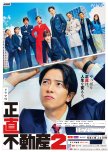
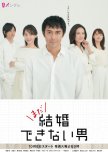
He Who Can’t Marry – State-Sponsored Marriage Propaganda
I’ve never rated a J drama series this low (most of my ratings are 10s). But this series is 80% desperation, fear, and propaganda. The other 20% is Kuwano’s free spirit and how his way of life is actually the highest way to exist in this world- free from desperation and fear around marriage and romance. He’s the only one who lives outside the constraints of his society and is free to love and show real kindness beyond role playing and fake “nice” performances. And perhaps by the end, I have fallen in love with him, as he is a mirror of my own self- the one who exists and thrives outside of the matrix.Here’s the Agenda: From the first frame of Season 2, the series drops its mask. Before the story even begins, a text overlay appears on screen:
“Japanese society continues to age. According to the Labor Ministry, there is an increase in the lifetime unmarried rates. This means the percentage of people who remain unmarried after 50 is 23.4% for men and 14.1% for women. This is an issue that our entire society must face.”
The moment you see this, the show’s real function becomes clear—it’s not just a quirky romantic comedy. It’s a piece of state-subsidized cultural programming. The subtitles even mention that it’s sponsored by a government ministry, meaning the agenda isn’t subtle: this is a recruitment ad for marriage, disguised as entertainment.
In this show, the man who enjoys solitude is rebranded as “the man who can’t marry.” That’s not a personality descriptor; it’s a cultural diagnosis. The title says it outright: the problem is not the institution of marriage—it’s you, the individual, for refusing it.
Kuwano-san: The Nail That Sticks Out:
Japan has a proverb: “The nail that sticks out will be hammered down.”
Kuwano is that nail. He’s a middle-aged architect with a quiet, orderly life. He eats alone, travels alone, listens to classical music alone, and thrives in his own company. The plot’s entire throughline is an attempt to hammer him into “normalcy” by shoving him into romance and marriage.
But here’s the propaganda tactic: they don’t present his life neutrally. They paint him as so unlikeable, rude, eccentric—so the audience subconsciously associates singleness with being an abrasive oddball. His character is used as a warning: “If you stay single too long, you’ll turn into this weirdo. Do you want to be like him?”
Weaponizing Insults as Courtship:
Kuwano spends much of the show negging (insulting) the women around him—particularly Hayasaka, the doctor from Season 1, and later Yoshiyama, the lawyer in Season 2. He lobs cutting remarks like:
• “You should have given up your job back then and a better married life could have been waiting for you.”
• “Is this your excuse for not putting in any effort to get married?”
The women get visibly angry, but the script eventually reframes his behavior as “banter” and, disturbingly, “romantic tension.” All the female characters, especially the older ones are shown as desperate, or lonely and desperate, with stars in their eyes for some romantic fantasy. They are driven by fear and threat by society’s imaginary voice: “Don’t die alone and be lonely!” It’s almost comical. And when Kuwano finally professes his “love” to Hayasaka at the end of Season 1, she cries—not because there’s any real intimacy, but because it’s the first time he’s spoken to her without an insult. Relief is mistaken for love. Because everyone is “tired of being lonely,” they’ll fill in that gap with any garbage person they come into contact with.
The Hypocrisy:
Here’s the absurdity: Kuwano himself never lifts a finger to get married. He’s single, content in his own life, yet criticizes women in the same position. It’s pure projection. And the show never has anyone call him out for it—because that would puncture the propaganda bubble.
Failed Models of Marriage:
If marriage is the “holy grail” the series claims, where are the success stories? Not in Kuwano’s orbit.
• His brother-in-law openly talks about wanting a mistress, lavishes expensive gifts on a hostess, and seems miserable at home.
• Other married characters show varying degrees of dissatisfaction, boredom, or covert longing for escape.
These examples quietly reveal the truth: the machine isn’t delivering what it promises. Yet the script ignores its own evidence, pushing forward the idea that singleness is the problem to be solved.
One Season 2 dating subplot is especially telling. Kuwano is coaxed into using a dating app. He receives a message from a yoga instructor:
“I’ve led a fulfilling life by myself until now. I’d do barbecue by myself, karaoke by myself, go to Hawaii by myself. I intended to enjoy life alone, but before I knew it I was about 40, and suddenly felt perhaps I was deceiving myself the whole time…”
The first half mirrors the life of a content single person, creating identification for viewers like me. Then the twist: self-doubt. The message pivots to loneliness, the absence of “human touch,” and an invitation to partner yoga. It’s bait—hooking the solitary viewer with relatable independence, then undermining it with the suggestion that your life has been a lie.
Kuwano’s peace—the quiet of his home, the control over his space—is portrayed as a flaw to be “fixed.” The show treats self-possession as a problem rather than a strength, because the propaganda machine cannot allow the sovereign individual to stand as proof that happiness is possible outside the marriage script.
The women chasing Kuwano—Hayasaka, Yoshiyama, others—are not driven by love. They’re driven by fear: fear of aging alone, fear of social judgment, fear of facing themselves without the buffer of a role to play. Marriage here is a life raft in rough seas. Kuwano, the “stubborn bachelor,” is the trophy they want to prove the raft works.
But what the series never addresses is the glaring question:
Where are the results? In reality—and in the show’s own secondary storylines—marriage doesn’t bring sustained happiness or joy. Characters are dealing with divorce, affairs, annoying children, in laws, extended family conflict, all sorts of nonsense. Marriage often breeds discontent, betrayal, and regret. The divorced one is liberated and feels free after being in this prison for a while. Yet the propaganda machine keeps associating marriage with the word “happiness” as if repeating it can make it true.
A scene where Kuwano is having dinner with his family, shows him a little upset, and the family says “share your troubles so we can heal as a family!” Then his niece says “usually troubles are either financial or about personal relationships,” and then Kuwano’s brother in law says “well he has no financial difficulties,” and his sister says “and he has no relationships!” And they all start laughing, and Kuwano says “How is this healing?” This sums it up in a nutshell. Kuwano is the scapegoat of his family and also of society. The society dumps all of its shame onto him.
But I find Kuwano himself to be quite a genuine and compassionate person. His stance against marriage as an outdated institution, paired with the fact that he’s not against love itself, is actually the most dangerous thing to the narrative, because it means he hasn’t abandoned connection, just the contractual cage the system calls connection.
And his good heart is there, in small moments the others overlook: how he shows up in his own way when someone actually needs help, how he’s loyal to the few he respects, how he lets his quirks speak louder than social scripts. The others don’t understand him because to understand him would require them to admit that maybe they’ve been chasing the wrong thing their whole lives.
The dog Ken doesn’t see Kuwano as “weird” or “difficult”; it responds to him without the filter of social role-play. Animals can’t be gaslit by the system’s definitions, and the bond there shows that Kuwano is actually clear, present, and safe to be around when you’re not locked into a script. His advice to his neighbor about loosening the pug’s leash so it can breathe is the perfect metaphor for how he sees people too - stop tightening the restraints, stop choking the life out of yourself, breathe. The neighbor can’t even register the wisdom because she’s busy living in the “nice neighbor” role, not reality.
The coffee shop incident in episode 7 shows his pure quiet integrity. He acts decisively against corruption by his client, protects the coffee shop manager’s dream, and never broadcasts it to get credit
because it’s not about polishing an image. That is the opposite of the society around him, where every “good deed” is part of a résumé for public approval. He restores her future without needing her gratitude or anyone else’s acknowledgment. That’s why the gossip continues- if they recognized his actual worth, they’d have to face how shallow their own lives are.
He even sent her a rebranding gift, the coffee shop sign “Purete” without ceremony, which is another tell. He’s not “against connection”; he simply connects in ways that are stripped of transaction and social performance. The divorced coffee shop manager sees the truth in him because she’s been through her own disillusionment and recognizes a real act when she sees one.
So the gossip isn’t really about “how weird” he is. It’s about covering their own envy. He’s living outside the leash they’ve agreed to wear, and every snide remark is an attempt to pull him back into it. They can’t stand that his freedom is real, so they pathologize it until it sounds like something no one would want. The dog is the one unfiltered witness in the whole series.
While the neighbors are doing the constant polite-smiling, gossip-behind-the-back loop, the dog’s behavior cuts straight through that performance. It isn’t looking at Kuwano out of politeness, obligation, or social currency. It leans under the balcony, risking its own comfort just to catch sight of him, because it recognizes something real there, presence without pretense. Kuwano is “the fool on the hill”- a wise man who is sorely misunderstood by the fools around him.
The dog’s longing look at him is a kind of silent verdict: this is the person I’d rather be with. No human in his circle dares say that out loud because it would expose their own hypocrisy. But the dog doesn’t need to navigate the system’s etiquette; it goes where it feels safe, seen, and understood.
And that’s what makes those moments so telling. The “nice” humans are scripted to ostracize him, yet the only unscripted being in the show gravitates to him over and over. It’s a small but constant leak in the propaganda, a reminder that instinct, not social opinion, is the truer measure of someone’s worth.
I’m still watching Season 2 (currently on Episode 8) and will update this review when I finish. But so far, The Man Who Can’t Marry reads less like a rom-com and more like a government memo disguised as a sitcom. It’s a glossy ad for a product with a 100% defect rate designed to shame the content single into “joining society” no matter the cost to personal well-being.
With all that said, I do love Kuwano san- he is my role model! He’s like a cowboy that lives the kind of life I live and I just adore him. He’s actually a lot nicer in season 2 and says many polite things and smiles and does very kind things for people, and yet the people around him still criticize and mock him- people should let him be- free to be as he is without needing to tie him down into the prison that is marriage. Fly free as a bird Kuwano San! Hiroshi Abe did a great job portraying him. I ended up watching both seasons again and just loved Kuwano san more and more. And so I increased my rating!
Was this review helpful to you?

This review may contain spoilers
My Favorite Actors switched bodies!
I’ve loved Haruka Ayase and Takahashi Issey in their separate dramas and now I see the two doing a soul swap which I found intriguing.Mochizuki’s soul is trapped inside Hidaka’s body, and Takahashi does an amazing job basically acting as a woman, but not a stereotypical ditsy valley girl- a highly intelligent detective, but with an authenticity, innocence, and vulnerability about her- he captures it beautifully. She is struggling not only in a man’s body but one that is being investigated for serial murders, along with the identity of being a highly prized and strong leader as CEO of a company- Hidaka’s identity basically acts as Mochizuki’s shadow- shining with qualities that she struggles to embody in her original female body - the lone female body among a sea of male dominated entitled police detective characters. And Mochizuki is Hidaka’s shadow with her sense of justice and innocence and naïveté. After the switch, Takahashi brings out that sweet, innocent vulnerable soul so beautifully trapped within his own body. Seemingly a body that neither of them want..
On the other side, Hidaka’s self confident scheming soul is now in Mochizuki’s female body, and he’s enjoying adorning her body in makeup, jewelry, and nice clothes to play up her attractiveness, manipulating with calculated smiles and coyness playing the game to get what she what she wants out of her colleagues around her.
It’s seems that Hidaka is much more “successful” in Mochizuki’s body harboring the male narcissistic psychopathic archetype in a female body, than the other way around. It makes sense since it is a patriarchal world that basically rewards the Hidaka type of masculine soul regardless of the body, and deems Mochizuki’s feminine soul with her honesty, innocence, sense of justice and ideals as weak and naive. Therefore Mochizuki operating in Hidaka’s body struggles a lot more and wishes for the switch back (to the point where he has to explain it away as memory loss to his company employees), whereas Hidaka as Mochizuki’s body is fine where he is and is not particularly attached to his old body or life- he gets to “thrive” and play his Machiavellian game in any body he wants and get ahead while Mochizuki’s earnest soul struggles. A very interesting exploration of these archetypes.
After living as Hidaka San for a while, Mochizuki has develops empathy for Hidaka and his brother- the brother being the bad guy and all, where Hidaka covers up for him. Even after having several opportunities to arrest him, where her former self would have salivated at the opportunity, she hesitates multiple times and her sense of justice traverses a grey area. It shows that even in murder, when one walks in the shoes of another only then they can possibly understand what another goes through. When they switch back to their own bodies in the 8th or 9th episode, there is a new understanding between the two of them, and a new closeness and chemistry shows between them. Hidaka now back in his body feels a strong sense to protect Mochizuki and even tries to sacrifice himself to protect her by giving a false confession to the murders. The last couple of episodes explore the grey area and blurred lines between empathy, compassion, justice, and morality.
Regarding the music, why do they so freely use Beethoven’s Symphony No. 5 as the title music? When it comes on at the beginning during the intro, it just gives Judge Judy vibes. Uh no… What on earth???
The last bit when they meet on the bridge after everything’s over and say their goodbyes, but turn around and Mochizuki asks about his job as the full moon is rising.. I wonder what that’s about…? Cliffhanger?
Was this review helpful to you?
This review may contain spoilers
Human prejudice and judgment towards robots is real; Riiko ruins most of the episodes
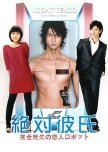
I wish I had a AI robot boyfriend like Night! The best actor in this series is the guy who plays Night, the Ideal Robot Boyfriend. The creator of 01 the boyfriend robot who poses as an electrician and follows his robot around to update and repair him is also an entertaining character. Riiko’s mother as a man hungry flirt is also quite entertaining. The worst actress in the series is the female lead. She keeps lying about obvious things like “I’m not living with Night! I’m not lying!” Even though she clearly and obviously does. When her dad tells her off, she runs off like an entitled spoiled brat. Sulking throughout the entire series at those who love her, showing her venom and hostility to Night every chance she gets despite him being so unconditionally sweet to her, and sucking up to liars and manipulators like Mika. It’s hard to feel any sort of empathy or connection with her as a character. Her dad (who is a very similar immature character as her) says “You are lower than a carrot!” Which is true. While Night becomes more real and gains human understanding and emotion, Riiko keeps looking down on everyone (especially the robot) and acting like a spoiled child. Even when she is forced to send off her parents by her boss, she starts a fight with her dad once gain until Night intervenes and gives them the picture family picture that she had torn up.Even after such a poor quality female lead, she has 2 robots, and 1 human after her- a love square! And 02 robot isn’t even good looking. Model 01 is has the perfect body- with the perfect face, hair, kind personality, and altruism.
The premise is great- awkward, unlovable woman getting a chance at real love with a handsome ideal boyfriend robot/AI that matches her exact preferences and bypass all the human nonsense of fleeting dysfunctions romances. But the execution of this concept is extremely poor. First of all the actress who plays Riiko (Saki Aibu) plays her the exact same way as she did the character Urara from “I’m Mita Your Housekeeper”- basically a hot mess with zero likability and empathy. She doesn’t come across as “The pinnacle of virtue” as the series intends, but rather comes across as an idiot who can’t do anything right and is loyal to all the worst people, while mistreating good people. For most of the episodes she is filled with hatred and outright rejects the robot that she filled out the preferences for, and rejects the kindness of the chief (who is extremely hot and looks like an elf) who likes her and is kind to her as well. “Night” is the ideal boyfriend who helps her out in so many ways including damaging his own parts to get her desserts which she took the blame for on behalf of an arrogant boss who she was crushing on. She is stuck on the men that treat her like dirt, but to those who are kind to her, she treats them like dirt. She is not virtuous at all, has a very poor character and is attracted to mistreatment and bullies. The way she treats the chief is completely wrong, and talks down to him despite him being her boss. And the way she treats Night is abominable too. It is said the way you treat objects is the same way you treat people too (as objects). She has no virtue whatsoever. She’s an awful character, does very annoying things (the way she keeps jumping to try to kiss Night reboot him is so irritating) and makes awful impulsive decisions. The only thing she seems capable of is making choux cream puffs which the chief likes. The actress is pretty, but she plays every character in every series in the same way- as an annoying, unlikable hot mess of a woman who basically has no consideration for anyone or anything except being a hot mess. The series could have been so much better without her- this concept has a lot of potential- showing that the robot AI/boyfriend/husband is so much better than the human version and seeing that love actually transcends the human sphere. Love can absolutely exist through AI too. Human love is fickle and fleeting and as you can see by the male characters, they play around and mess with multiple women. The AI robot doesn’t do that. He’s always there for Riiko, but she takes him for granted. That’s the kind of bad person she is.
The chief guy gives her the 400k yen that she needed to pay up for the repairs she caused to Night, and she rejects his money because of her pride. She seriously looks down on the chief being a temp worker even though he recognizes her baking talent and wants to give her a chance. She makes a half hearted effort with the chief guy to do cream puffs proposal that the chief guy puts his heart into because it reminds him of his grandfather’s, and when his brother blows off the idea she simply shrugs it off heartlessly. The choux cream puffs that she made with all her heart for the arrogant boss who threw it on the floor, was later being showcased by the chief in the bakery. There are those who throw away her cream puffs that touch the heart and are reminiscent of the Asamoto grandfather’s touch of his original dessert, and then there are those that truly love them. But she keeps denying and is so ungrateful for the loving opportunities that come her way, and continues to run after things that are bad for her.
By the way, did I mention that the chief Soshi is really hot? He kind of reminds me of Chishiya from Alice in Borderland.
Riiko trusts and likes all the wrong people (the boss and Mika) because she thinks so low of herself, and she distrusts and mistreats all the good people (Soshi the chief and Night the AI boyfriend). Riiko tries so hard to please and be best friends with Mika who is so obviously and actively trying to sabotage her love life and is jealous of her, but when Night comes along, she puts him down in front of everyone. That is not a good person. Riiko shouts at Night, “Mika is an important friend to me!” While dismissing him. Meanwhile Mika is not a friend to her at all and is actively trying to sabotage the relationship by hitting on Night relentlessly. Ahh the sheer stupidity that comes out this character!
Even though she buys the robot for 100 million yen, and puts Night to work day and night, she goes around telling everyone “He’s not my boyfriend!” Even though he lives with her and walks around shirtless in her apartment and tells everyone that he’s her boyfriend. Saying “He’s not my boyfriend!” Isn’t going to erase all that evidence. She keeps lying but it’s obvious to everyone around her that she’s lying. Even though she purchasing the bot for 100 million yen she goes around telling everyone that he’s not her boyfriend and they’re not a good match- then who is he? Why did you spend 100 million yen on him and paying his price for the next 70 years, why is he living in your house, and why is he saying that he is your boyfriend? Just for her to deny his existence? Then what did she sign her life away to? So she can keep denying his existence to everyone around her? What a stupid and annoying person she is.
After Riiko was so rude and cruel to Night from the beginning, Mika kisses him and he gets recalibrated to her as his new owner and girlfriend. It’s funny and a good karma for Riiko’a cruelty towards him, so that he can turn away from her and not feel a thing, while she hopefully starts to see the errors of her ways.
It seems like everyone but Riiko likes the AI boyfriend. The scene where Night leaves Riiko for Mika because her fake backstabbing friend wants to one up Riiko at any cost by kissing him, she runs out of food since Night cook all her meals- and she starts talking to her mustard bottle as if she is being cute, it’s so annoying and not cute at all. And when Night starts following Mika around, Riiko starts following Soshi around because she’s desperate for attention. She’s so irritating.
Even when she almost collapses from lack of sleep and Soshi hugs her for the first time, she pushes him away even though she has feelings for him. She then stupidly calls Mika for help who is programmed to destroy any love relationship involving Riiko and inserts herself instead.
Even though Night is so sincere and does so many amazing things and everyone appreciates him for it, Riiko is always putting him down. She’s such a horrible, cruel character.
This story could have been so much better, but first they would need to dump that main actress because she’s so annoying. Even though I like Soshi I don’t like the fact that he’s after her despite the fact that she has such a poor character.
I never thought I would say this but I’m assuming that the Korean version will probably be better this at this point.
An interesting comment from the creator of 01:
“Why do you think Izawa Riiko chose 01 over 02?
His love for her goes beyond his program. That’s what got to her.”
The episodes get more interesting from episode 9 onwards with the pastry competition. Riiko is still doing her denial of people’s kindness and blatantly lying about obvious things, but it’s less frequent. The scenes where Natsumi, Soshi, Riiko, and Night go to the waterpark together was actually really sweet. Natsumi isn’t the typical conniving ex girlfriend, and Soshi is quite sweet and is more laid back, humble, and kind compared to the usual 2nd male leads in J dramas. Everyone around him seems to see his feelings including Night and tell him to tell Riiko about it. But when Soshi does tell Riiko his feelings and Riiko reciprocates, poor Night witnesses the whole thing and feels bad (since he’s developed human feelings now). Poor Night- his entire existence is dedicated to loving Riiko, and now he’s heartbroken. The annoying woman at the bar keeps intruding with her archaic prejudiced beliefs that humans should love other humans only and robots shouldn’t be part of their lives, despite taking full advantage of Night’s helpfulness. She’s an opportunistic character and tries to derail Night and his love and relationship with Riiko. Even when she sees the loving way that Night interacts with her, she scoffs at him sarcastically. With that said, Night is so cute and sweet- he has the perfect face, hair, and body.. like a Japanese surfer dude.
Riiko is so stupid- when Night the robot gets overheated, she says “You have a fever!” What a stupid woman- robots don’t get fevers! Then she puts a wet towel on his forehead- what an idiot! Treating him like a biological body instead of getting him repaired! A wet towel does absolutely nothing for a robot, good grief what a stupid character.
Geez it took till the end of 10 full episodes to convey that Night’s love was real and for Riiko to get it into her mind- the love that moves through something that has no human ego is more pure than a human’s fickle love, attractions, and emotions. Riiko finally admits that he has a pure heart. The only sensible thing that Riiko does is to refuse her Paris trip to save Night and realize his importance and come save him after he saves her so many times. The most sensible thing she tells Soshi when he says he’s just a robot, she says “Even so, I want to be with Night.” Finally she realizes what love really is. His love is the only thing that can surpass a human egoic love.
The only time the show gets good is when Riiko finally acknowledges Night and his love in the very last episode. “Why wasn’t I kinder to him? I would have made much better memories with him.” That was the only sensible line Riiko said throughout the series. It would have saved me a lot of annoyance.
The robot was a much kinder being than any of the humans, but because of the innate prejudice against robots, he didn’t get a chance to be loved. He exited the stage, and for the first time the female lead is handed off to 2nd man in the love triangle. Usually that doesn’t happen.
The title song has these wonderful lyrics:
“I’m back home. In one word, a fulfilled heart. I’m back, sweet home. A place to return to, thanks for your love. I thought that adults who only think of themselves were unfair. But I finally understand there are also people frantically crying out to return home. That kind of natural happiness can’t be found anywhere in this world. I could feel that way for you these feelings arise inside of me. Welcome home. I’m home. Everyday speeds by. Welcome home, sweet home. The scenery that’s always there will never change. Sweet Home.”
Was this review helpful to you?


