
 Editorials

 27
27 55
55 8
8 1
1 1
1 1
1 1
1 1
1 1
1 8
8 2
2 3
3 1
1 1
1 1
1 1
1 9
9 4
4 4
4


When Women Lead: The Inspiring Story of Blossoms in Adversity
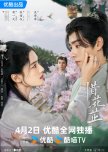
A tragedy strikes the Hua family where the men were sent to exile and their properties confiscated, leaving the women and children struggling to survive. Hua Zhi, the brave and intelligent young lady of the family steps up to lead them in overcoming and bouncing back from adversity, eventually freeing the men and rebuilding the Hua family's honor. Along the journey, she meets Gu Yan Xi, Commander of the Security Bureau. As they spend time together, love blossoms and they become each other's greatest allies.
Blossoms in Adversity is a drama that explores themes of hope, family, love, friendship, gender inequality, business acumen, politics, and even disability. It presents an inspiring story centered on the struggles of women who are forced to step up and take control of their family in the absence of adult male family members. The drama highlights how deeply women relied on men during that period.
The narrative critiques the patriarchal ideology that portrays women as weak or incapable without male presence. This is evident at the beginning of the drama, when the women of the Hua family feel utterly hopeless after their husbands are sent into exile. Believing they have no reason to continue living, some even contemplate suicide. Beyond the Hua family, society also views them as vulnerable due to the absence of men, as shown by people attempting to deceive them and seize what little wealth they have left. It is particularly ironic that the Hua women initially doubt Hua Zhi when she offers to lead the family, yet place their trust in outsiders solely because they are men. This reflects the internalized patriarchal beliefs held by the women themselves. It is frustrating to witness how women come to perceive themselves as less capable than men, despite their own potential and resilience.
Although it was frustrating to see how the women of the Hua family acted at the beginning, there is no doubt that the family shares a close-knit bond. They prioritize family above everything else, including wealth. They are considerate of one another’s feelings and communicate openly. Despite their initial arrogance and differing personalities, the Hua family eventually becomes a compassionate household that is courteous, polite, and respectful toward others. It is especially moving to see the Hua family grant their servants freedom, as well as how the common people come to treat them with sincerity and respect as the story progresses.
I found myself deeply moved by both the emotional triumphs and struggles of this flawed yet endearing family and their servants. On more than one occasion, the story brought me to tears. I was particularly struck by the funeral of a supporting character, made even more powerful by the appearance of an unexpected but significant figure. Throughout the drama, I frequently smiled and celebrated the family’s hard-earned achievements. Despite the family’s harsh circumstances, Blossoms in Adversity ultimately tells a story of hope, illustrating how different women define hope in diverse ways—through independence, divorce, marriage, and love, even when these paths are imperfect and far from ideal.
On top of everything, it was especially inspiring to see the ways in which Hua Zhi led the family to bounce back from adversity—the way she saw opportunities in the simplest of things, the way she encouraged the women and children of the family to participate and work together, and the way she, as a young lady, stepped up to conduct business with experienced businessmen. Everything she did was inspiring. She volunteered to bear all the burden on her small shoulders and took on the role traditionally held by men in leading the family.
Casting Zhang Jin Yi as Hua Zhi was an excellent choice. She brings the youthful yet charismatic charm that perfectly suits the character. Hua Zhi embodies a heroic figure, exemplifying perseverance, steadfast integrity, and diligence. However, as the character with the least amount of growth, she is not without flaws. Her sharp tongue toward the emperor, for instance, brought her family their second adversary.
Zhang Jin Yi truly brought Hua Zhi to life. Her expressive eyes, petite frame, and sharp features perfectly captured the determined young woman Hua Zhi was. Unlike other members of the Hua family, who grew up pampered and spoiled, Hua Zhi possesses a feminine yet tomboyish charm—something Zhang Jin Yi portrayed impressively throughout the series. Her simple, light-colored costumes and makeup further enhanced the character, demonstrating careful attention to detail. I particularly liked the white bracelet Hua Zhi wore; it felt fitting for a young woman who almost singlehandedly restored the Hua family to prosperity.
Another character who grew on me—almost surprisingly—was Gu Yan Xi. As the Commander of the Security Bureau and nephew of the emperor, Gu Yan Xi is intelligent, charismatic, vigilant, and highly skilled in combat, particularly hand-to-hand fighting, which is uncommon in Chinese costume dramas that typically emphasize swordplay.
Hu Yi Tian was excellent in the role. Although his stoic expression left me unimpressed at first, I was gradually won over as it grew on me over time. His tall, fit physique perfectly suits the character of Gu Yan Xi, and his curly hair tied into a ponytail, combined with his puppy-like eyes, adds a soft, almost endearing touch to an otherwise formidable character. I blushed when I saw his large hand gently cover Zhang Jin Yi’s back during their kiss. Despite his stoicism, the chemistry between Gu Yan Xi and Hua Zhi was cute, mature, peaceful, and healthy, making me want to root for them.
Aside from the main characters, the ensemble cast also left a lasting impression on me. I couldn’t help but feel what they were going through, and they made me want to root for them as well. Among them, Shao Yao, Gu Yan Xi's sister, played by Lu Yu Xiao, stood out. Lu Yu Xiao did an excellent job portraying the young, innocent, naive, yet intelligent Shao Yao, who lives with a disability after experiencing trauma.
Apart from the story and characters, the OSTs also played a significant role in the drama. Lonely Flower Amidst Thorns by Curley Gao often accompanies scenes where the family works together toward triumphs, evoking heartfelt joy. Night and Day by Liu Zhijia and Baby.J also left a lasting impression. Additionally, the OST Cloudy Green by Zhang Yunjia and Zhang Lejia, which plays at the end of the episodes, is so cute! It adds a warm, familial touch to the drama.
That is not to say that this drama is without flaws. One of my biggest production gripes was the overuse of dramatic sound effects. Every time a character said something impactful, an exaggerated echo would play, which felt cheesy and distracting rather than enhancing the scene. Similarly, the show occasionally froze the frame on multiple characters’ faces during climactic moments, as if turning them into still photographs for dramatic effect—another choice that came off as overly theatrical.
Overall, Blossoms in Adversity is a captivating and heartfelt drama that leaves a lasting impression. Despite some over-the-top production choices, the story, characters, and performances shine brilliantly. The journey of Hua Zhi and her family is both inspiring and emotionally resonant, showcasing resilience, love, and hope in the face of immense adversity. The chemistry between the main characters, the depth of the ensemble cast, and the thoughtfully chosen OSTs all contribute to making the drama a rich and immersive experience. At its core, Blossoms in Adversity is a celebration of courage, family bonds, and the quiet yet powerful ways women can lead, support, and transform their world—even in a society that often underestimates them. It is a drama that moves, entertains, and inspires long after the final episode ends.
Blossoms in Adversity is a drama that explores themes of hope, family, love, friendship, gender inequality, business acumen, politics, and even disability. It presents an inspiring story centered on the struggles of women who are forced to step up and take control of their family in the absence of adult male family members. The drama highlights how deeply women relied on men during that period.
The narrative critiques the patriarchal ideology that portrays women as weak or incapable without male presence. This is evident at the beginning of the drama, when the women of the Hua family feel utterly hopeless after their husbands are sent into exile. Believing they have no reason to continue living, some even contemplate suicide. Beyond the Hua family, society also views them as vulnerable due to the absence of men, as shown by people attempting to deceive them and seize what little wealth they have left. It is particularly ironic that the Hua women initially doubt Hua Zhi when she offers to lead the family, yet place their trust in outsiders solely because they are men. This reflects the internalized patriarchal beliefs held by the women themselves. It is frustrating to witness how women come to perceive themselves as less capable than men, despite their own potential and resilience.
Although it was frustrating to see how the women of the Hua family acted at the beginning, there is no doubt that the family shares a close-knit bond. They prioritize family above everything else, including wealth. They are considerate of one another’s feelings and communicate openly. Despite their initial arrogance and differing personalities, the Hua family eventually becomes a compassionate household that is courteous, polite, and respectful toward others. It is especially moving to see the Hua family grant their servants freedom, as well as how the common people come to treat them with sincerity and respect as the story progresses.
I found myself deeply moved by both the emotional triumphs and struggles of this flawed yet endearing family and their servants. On more than one occasion, the story brought me to tears. I was particularly struck by the funeral of a supporting character, made even more powerful by the appearance of an unexpected but significant figure. Throughout the drama, I frequently smiled and celebrated the family’s hard-earned achievements. Despite the family’s harsh circumstances, Blossoms in Adversity ultimately tells a story of hope, illustrating how different women define hope in diverse ways—through independence, divorce, marriage, and love, even when these paths are imperfect and far from ideal.
On top of everything, it was especially inspiring to see the ways in which Hua Zhi led the family to bounce back from adversity—the way she saw opportunities in the simplest of things, the way she encouraged the women and children of the family to participate and work together, and the way she, as a young lady, stepped up to conduct business with experienced businessmen. Everything she did was inspiring. She volunteered to bear all the burden on her small shoulders and took on the role traditionally held by men in leading the family.
Casting Zhang Jin Yi as Hua Zhi was an excellent choice. She brings the youthful yet charismatic charm that perfectly suits the character. Hua Zhi embodies a heroic figure, exemplifying perseverance, steadfast integrity, and diligence. However, as the character with the least amount of growth, she is not without flaws. Her sharp tongue toward the emperor, for instance, brought her family their second adversary.
Zhang Jin Yi truly brought Hua Zhi to life. Her expressive eyes, petite frame, and sharp features perfectly captured the determined young woman Hua Zhi was. Unlike other members of the Hua family, who grew up pampered and spoiled, Hua Zhi possesses a feminine yet tomboyish charm—something Zhang Jin Yi portrayed impressively throughout the series. Her simple, light-colored costumes and makeup further enhanced the character, demonstrating careful attention to detail. I particularly liked the white bracelet Hua Zhi wore; it felt fitting for a young woman who almost singlehandedly restored the Hua family to prosperity.
Another character who grew on me—almost surprisingly—was Gu Yan Xi. As the Commander of the Security Bureau and nephew of the emperor, Gu Yan Xi is intelligent, charismatic, vigilant, and highly skilled in combat, particularly hand-to-hand fighting, which is uncommon in Chinese costume dramas that typically emphasize swordplay.
Hu Yi Tian was excellent in the role. Although his stoic expression left me unimpressed at first, I was gradually won over as it grew on me over time. His tall, fit physique perfectly suits the character of Gu Yan Xi, and his curly hair tied into a ponytail, combined with his puppy-like eyes, adds a soft, almost endearing touch to an otherwise formidable character. I blushed when I saw his large hand gently cover Zhang Jin Yi’s back during their kiss. Despite his stoicism, the chemistry between Gu Yan Xi and Hua Zhi was cute, mature, peaceful, and healthy, making me want to root for them.
Aside from the main characters, the ensemble cast also left a lasting impression on me. I couldn’t help but feel what they were going through, and they made me want to root for them as well. Among them, Shao Yao, Gu Yan Xi's sister, played by Lu Yu Xiao, stood out. Lu Yu Xiao did an excellent job portraying the young, innocent, naive, yet intelligent Shao Yao, who lives with a disability after experiencing trauma.
Apart from the story and characters, the OSTs also played a significant role in the drama. Lonely Flower Amidst Thorns by Curley Gao often accompanies scenes where the family works together toward triumphs, evoking heartfelt joy. Night and Day by Liu Zhijia and Baby.J also left a lasting impression. Additionally, the OST Cloudy Green by Zhang Yunjia and Zhang Lejia, which plays at the end of the episodes, is so cute! It adds a warm, familial touch to the drama.
That is not to say that this drama is without flaws. One of my biggest production gripes was the overuse of dramatic sound effects. Every time a character said something impactful, an exaggerated echo would play, which felt cheesy and distracting rather than enhancing the scene. Similarly, the show occasionally froze the frame on multiple characters’ faces during climactic moments, as if turning them into still photographs for dramatic effect—another choice that came off as overly theatrical.
Overall, Blossoms in Adversity is a captivating and heartfelt drama that leaves a lasting impression. Despite some over-the-top production choices, the story, characters, and performances shine brilliantly. The journey of Hua Zhi and her family is both inspiring and emotionally resonant, showcasing resilience, love, and hope in the face of immense adversity. The chemistry between the main characters, the depth of the ensemble cast, and the thoughtfully chosen OSTs all contribute to making the drama a rich and immersive experience. At its core, Blossoms in Adversity is a celebration of courage, family bonds, and the quiet yet powerful ways women can lead, support, and transform their world—even in a society that often underestimates them. It is a drama that moves, entertains, and inspires long after the final episode ends.
Was this review helpful to you?


