

 23
23 43
43 8
8 1
1 1
1 1
1 1
1 1
1 1
1 6
6 2
2 3
3 1
1 1
1 1
1 1
1 3
3 1
1 3
3


This review may contain spoilers
Silk Sleeves, Steel Spine
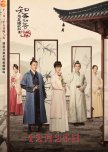
Set in the Northern Song dynasty, The Story of Ming Lan follows Sheng Ming Lan, the unfavored sixth daughter born to a concubine in an official’s household. After losing her mother at a painfully young age, she is raised by her wise grandmother and quickly learns that survival in the Sheng family requires more than obedience. It requires strategy. Hiding her intelligence behind a quiet and unassuming facade, Ming Lan grows up navigating a household where affection is scarce and schemes are plentiful. Her path crosses with Gu Ting Ye, the blunt and rebellious second son of a marquis family who seems to lose everything despite being born with every advantage. Together, through careful calculations and daring gambits, they climb the social ladder and seek justice against those who wronged them.
Right from episode one, we are thrown into the Sheng household circus. Husband afraid of wife. Concubine sabotaging mistress. Sisters plotting. In laws bickering. The chaos never clocks out. Watching young Ming Lan maneuver through this battlefield at only eight years old was both impressive and heartbreaking. Her mother’s death scene still lives rent free in my mind. A sabotaged childbirth, missing midwives, no adults around, an eight year old running everywhere for help. The frustration, the helplessness, the rage. I felt all of it. When her mother bled to death along with the unborn baby, something in Ming Lan died too. That was the moment she truly understood her mother’s warning about hiding her brilliance. Liu Chu Tian did a commendable job as little Ming Lan. Yes, you could see the child actor wandering focus in her eyes, but she delivered the devastation well enough to squeeze out my tears.
The early pacing was wild in the best way. I blinked and four episodes were gone. The family trees though? A full time puzzle. Gu Ting Ye’s lineage had me pausing and rewinding like I was studying for a civil service exam. Between the Gu family, the Bai family, and the Qi connections, I needed a whiteboard. Eventually I understood that Qi Heng is a distant nephew through complicated marriage ties, but let us just say this drama does not hold your hand when it comes to aristocratic genealogy.
When the characters grew up, the tone shifted. The pace slowed but the emotional stakes deepened. I actually appreciated that Ming Lan and Gu Ting Ye did not immediately spark into romance upon reunion. Instead, we get Qi Heng’s tender and sincere admiration first. Qi Heng was soft, devoted, and brave in his own sheltered way. Watching him lock himself up and refuse food to protest his mother was both romantic and slightly dramatic in a teenage rebellion way. Still, when Ming Lan finally admitted that if he moves forward she will move forward too, my heart did a little flip.
Let us talk about the men. At one point I was ready to start an anti Gu Ting Ye club. A mistress, two children, questionable life choices. Zhu Man Niang’s coquettish energy set off every alarm bell. I kept asking how a supposedly intelligent man fell for such obvious manipulation. Then there is He Hong Wen, sweet and gentle, bringing food like a walking green flag. I almost boarded the He Hong Wen ship. But as Ming Lan wisely said, marriage is about whether you can tolerate someone’s weakness for decades. His excessive kindness could easily become a liability. Qi Heng had heart but lacked the ruthlessness to survive political storms. Slowly and almost against my will, I realized Gu Ting Ye, flaws and all, matched Ming Lan’s steel core best.
The drama shines brightest when Ming Lan unleashes her brain. Her debate scene in class was a mic drop moment. Her polo match was pure girl boss energy even if the CGI horse looked like it came from a video game cutscene. And episodes 32 and 33? Chef’s kiss. Her long planned revenge against Lin Qin Shuang and Mo Lan was strategic brilliance. Watching Mo Lan’s own scheming backfire was deeply therapeutic. Karma delivered with elegance.
One of my favorite relationships is between Ming Lan and her grandmother, played beautifully by Cao Cui Fen. Their bond is the emotional spine of the story. The grandmother’s apology for failing to seek justice for Ming Lan’s mother hit hard. It was quiet, sincere, and full of regret. In a house full of conditional love, this was unconditional.
Marriage between Ming Lan and Gu Ting Ye evolves from calculated alliance to genuine partnership. They complement each other. He charges forward. She fortifies the rear. I love that Ming Lan never loses herself in marriage. She respects him but does not dissolve into him. When she finally shows jealousy, Gu Ting Ye’s barely contained glee was unexpectedly adorable. Their dynamic grows, layer by layer, especially after he saves her and their newborn son. That reunion felt symbolic. Her walls cracked. Trust began to bloom.
Production wise, this drama is lush. The sets are detailed, the color grading consistent, and even background soldiers commit to their fight scenes. It feels expensive and meticulous. The only hiccups for me were some obvious CGI during polo and one brief camera shift that my industry trained eyes caught. Minor dents in an otherwise polished armor.
The second half becomes more politically heavy and slightly jumpy in pacing. Certain transitions feel skipped, as if the drama expects us to fill in blanks. The court trial arc involving the emperor did feel dramatic, but the eventual reveal of a larger scheme made narrative sense. Still, I wish some villain endings, especially Madam Qin’s, had more bite. For someone so cunning, her exit felt too quick.
Despite my constant side eyeing of Gu Ting Ye and my emotional rollercoaster with the love triangle, I could not stop watching. Seventy three episodes flew by. I laughed, I ranted, I celebrated revenge like it was a sport. Most importantly, I admired Ming Lan. She is not loud but she is powerful. Not reckless but brave. Not blindly romantic but deeply loyal once trust is earned.
Overall, this is a richly layered family saga about survival, resilience, and choosing a partner whose flaws you can live with. It is messy, dramatic, sometimes frustrating, but utterly addictive. If palace intrigue, domestic warfare, and a quietly brilliant heroine sound like your cup of tea, then consider yourself warned. Once you enter the Sheng household, there is no peaceful exit.
Right from episode one, we are thrown into the Sheng household circus. Husband afraid of wife. Concubine sabotaging mistress. Sisters plotting. In laws bickering. The chaos never clocks out. Watching young Ming Lan maneuver through this battlefield at only eight years old was both impressive and heartbreaking. Her mother’s death scene still lives rent free in my mind. A sabotaged childbirth, missing midwives, no adults around, an eight year old running everywhere for help. The frustration, the helplessness, the rage. I felt all of it. When her mother bled to death along with the unborn baby, something in Ming Lan died too. That was the moment she truly understood her mother’s warning about hiding her brilliance. Liu Chu Tian did a commendable job as little Ming Lan. Yes, you could see the child actor wandering focus in her eyes, but she delivered the devastation well enough to squeeze out my tears.
The early pacing was wild in the best way. I blinked and four episodes were gone. The family trees though? A full time puzzle. Gu Ting Ye’s lineage had me pausing and rewinding like I was studying for a civil service exam. Between the Gu family, the Bai family, and the Qi connections, I needed a whiteboard. Eventually I understood that Qi Heng is a distant nephew through complicated marriage ties, but let us just say this drama does not hold your hand when it comes to aristocratic genealogy.
When the characters grew up, the tone shifted. The pace slowed but the emotional stakes deepened. I actually appreciated that Ming Lan and Gu Ting Ye did not immediately spark into romance upon reunion. Instead, we get Qi Heng’s tender and sincere admiration first. Qi Heng was soft, devoted, and brave in his own sheltered way. Watching him lock himself up and refuse food to protest his mother was both romantic and slightly dramatic in a teenage rebellion way. Still, when Ming Lan finally admitted that if he moves forward she will move forward too, my heart did a little flip.
Let us talk about the men. At one point I was ready to start an anti Gu Ting Ye club. A mistress, two children, questionable life choices. Zhu Man Niang’s coquettish energy set off every alarm bell. I kept asking how a supposedly intelligent man fell for such obvious manipulation. Then there is He Hong Wen, sweet and gentle, bringing food like a walking green flag. I almost boarded the He Hong Wen ship. But as Ming Lan wisely said, marriage is about whether you can tolerate someone’s weakness for decades. His excessive kindness could easily become a liability. Qi Heng had heart but lacked the ruthlessness to survive political storms. Slowly and almost against my will, I realized Gu Ting Ye, flaws and all, matched Ming Lan’s steel core best.
The drama shines brightest when Ming Lan unleashes her brain. Her debate scene in class was a mic drop moment. Her polo match was pure girl boss energy even if the CGI horse looked like it came from a video game cutscene. And episodes 32 and 33? Chef’s kiss. Her long planned revenge against Lin Qin Shuang and Mo Lan was strategic brilliance. Watching Mo Lan’s own scheming backfire was deeply therapeutic. Karma delivered with elegance.
One of my favorite relationships is between Ming Lan and her grandmother, played beautifully by Cao Cui Fen. Their bond is the emotional spine of the story. The grandmother’s apology for failing to seek justice for Ming Lan’s mother hit hard. It was quiet, sincere, and full of regret. In a house full of conditional love, this was unconditional.
Marriage between Ming Lan and Gu Ting Ye evolves from calculated alliance to genuine partnership. They complement each other. He charges forward. She fortifies the rear. I love that Ming Lan never loses herself in marriage. She respects him but does not dissolve into him. When she finally shows jealousy, Gu Ting Ye’s barely contained glee was unexpectedly adorable. Their dynamic grows, layer by layer, especially after he saves her and their newborn son. That reunion felt symbolic. Her walls cracked. Trust began to bloom.
Production wise, this drama is lush. The sets are detailed, the color grading consistent, and even background soldiers commit to their fight scenes. It feels expensive and meticulous. The only hiccups for me were some obvious CGI during polo and one brief camera shift that my industry trained eyes caught. Minor dents in an otherwise polished armor.
The second half becomes more politically heavy and slightly jumpy in pacing. Certain transitions feel skipped, as if the drama expects us to fill in blanks. The court trial arc involving the emperor did feel dramatic, but the eventual reveal of a larger scheme made narrative sense. Still, I wish some villain endings, especially Madam Qin’s, had more bite. For someone so cunning, her exit felt too quick.
Despite my constant side eyeing of Gu Ting Ye and my emotional rollercoaster with the love triangle, I could not stop watching. Seventy three episodes flew by. I laughed, I ranted, I celebrated revenge like it was a sport. Most importantly, I admired Ming Lan. She is not loud but she is powerful. Not reckless but brave. Not blindly romantic but deeply loyal once trust is earned.
Overall, this is a richly layered family saga about survival, resilience, and choosing a partner whose flaws you can live with. It is messy, dramatic, sometimes frustrating, but utterly addictive. If palace intrigue, domestic warfare, and a quietly brilliant heroine sound like your cup of tea, then consider yourself warned. Once you enter the Sheng household, there is no peaceful exit.
Was this review helpful to you?


