
 Editorials

 25
25 46
46 8
8 1
1 1
1 1
1 1
1 1
1 1
1 7
7 2
2 3
3 1
1 1
1 1
1 1
1 4
4 1
1 3
3


Stitched with Duty, Threaded with Feelings
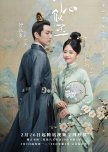
Set in the Ming Dynasty, The Sword and the Brocade tells the story of Xu Ling Yi, a respected general, and Luo Shi Yi Niang, the daughter of a concubine who is chosen to marry him in order to save her declining family. Despite her low status, Shi Yi is far from meek. She is independent, outspoken, and dreams of building a life beyond the confines of the household through her embroidery skills. Initially met with resistance from the Xu family, her sincerity and optimism slowly win their trust, while her relationship with Ling Yi evolves from a duty-bound arrangement into something much deeper. Together, they navigate family conflicts, personal ambitions, and external threats, supporting each other through every storm that comes their way.
Going into this drama, I honestly expected a full-on “red flag parade” situation. After watching clips and reading the synopsis, I thought Ling Yi would be another emotionally unavailable man collecting wives like Pokémon cards. Think The Story of Yanxi Palace vibes, but with less wit and more frustration. I kept postponing this drama because I was mentally preparing myself to dislike him. Plot twist: I didn’t. Not only did I not hate him, I actually liked him. That alone deserves a slow clap.
Xu Ling Yi, played by Wallace Chung, is a general and the head of the Xu family, already married with concubines when the story begins. Yet instead of being a romantic tyrant, he comes across as… lonely. Like a man trapped in a system he didn’t design but has to uphold anyway. His relationships with his existing wife feels more like mutual respect contracts than love stories. So when Shi Yi enters his life, you don’t get instant sparks. You get curiosity, distance, and eventually something that quietly blooms. Their relationship follows the classic marriage-first-love-later trope, but what makes it special is the pacing and respect. Ling Yi tries, yes, but he never crosses the line. He teases, he tests boundaries, but he always pulls back when Shi Yi isn’t ready. The man really said “consent is king” in the middle of the Ming Dynasty, and I respect that. Watching him slowly tone down his advances from attempted kisses to soft cheek pecks felt oddly wholesome. It’s giving patience. It’s giving growth.
Shi Yi, portrayed by Tan Song Yun, is easily the heart of this drama. She enters the marriage with her own agenda, determined to uncover the truth behind her mother’s death and then leave. Romance is not on her to-do list. And I love that for her. She doesn’t get swept away by Ling Yi’s status or subtle charm. Instead, she stays focused, grounded, and independent. Her dream of building an embroidery business might sound simple, but in that era, it’s basically her version of a startup hustle. What makes Shi Yi so refreshing is that her innocence doesn’t equal naivety. She’s inexperienced in love, sure, but she’s sharp, observant, and emotionally intelligent. She handles household politics like a pro, mends relationships, and even helps Ling Yi with his work. Watching her switch between elegant head of the Xu household and free-spirited dreamer is honestly chef’s kiss. Also, can we talk about her hairstyle evolution? Because that alone deserves its own character arc.
The real magic of this drama lies in their relationship. Not individually, but together. Wallace Chung and Tan Song Yun might not scream “power couple” at first glance, but their dynamic? Oh, it sneaks up on you. From strangers to partners to something deeper, their journey feels organic. This is slow burn done right. No unnecessary fireworks, just a steady flame that grows warmer over time. Of course, no historical family drama is complete without chaos, and the Xu household delivers. The scheming, the alliances, the betrayals… it’s like chess, but everyone thinks they’re the queen. Some characters are easy to hate, some surprisingly redeem themselves, and some just make you question humanity. The concubines, in particular, bring layers of conflict. From obvious schemes to subtle manipulation, the drama keeps things interesting.
And then there’s Madame Xu. She is honestly the kind of character that makes your blood pressure rise. Fickle, easily manipulated, and deeply rooted in conservative beliefs, she represents the very system that harms everyone around her. I hated her to the core. Her rigid views on societal norms feel like the driving force behind many of the broken relationships in her son’s life. What frustrates me even more is her sudden shift near the end. Out of nowhere, she becomes protective and appreciative of Shi Yi, praising her sacrifice for the Xu family. It feels completely out of character. This is the same woman who never tolerated anything that could potentially harm the family, so her change of heart comes across less like growth and more like a forced redemption arc that the story didn’t quite earn.
That said, not every character arc hits the mark. Some feel rushed, others oddly resolved. There are moments where motivations make sense emotionally but fall apart logically. And then there’s the underlying frustration with the era itself, where marriage is treated like a transaction and women are positioned as strategic assets. It’s historically accurate, yes, but still deeply unsettling. One standout subplot that completely stole my attention was the relationship between Fu Lin Bo and Dong Qing. Their dynamic is soft, innocent, and honestly adorable. Sometimes I found myself more invested in their scenes than the main couple. Add in Zhao Ying playing full-time cupid, and you’ve got a delightful side dish to the main course. When it comes to peak drama moments, the misunderstanding arc delivers. Jealousy, guilt, emotional tension, it’s all there. I was ready for angst, for longing, for that delicious emotional turmoil. And while it does deliver to some extent, it resolves a bit too quickly for my taste. Ling Yi being sulky, though? Unexpectedly cute.
Now, let’s talk about the ending. Or should I say… the lack of payoff. The build-up to the climax is solid, but the resolution feels like someone skipped a few pages of the script. Major events happen off-screen, and you’re left piecing things together like a detective. It’s less “grand finale” and more “oh, we’re done?” The final scene doesn’t carry the emotional weight you’d expect. It feels like just another episode instead of a conclusion.
Visually, the drama leans towards a more traditional style. Nothing groundbreaking, nothing particularly immersive. Some sets stand out, but overall it feels a bit dated. There are also minor logic gaps here and there that might make you raise an eyebrow, but nothing completely derails the experience.
Despite its flaws, The Sword and the Brocade is a surprisingly enjoyable watch. It subverts expectations in subtle ways, especially through its male lead and the central relationship. It’s not perfect, but it has heart, and sometimes that’s more than enough.
Going into this drama, I honestly expected a full-on “red flag parade” situation. After watching clips and reading the synopsis, I thought Ling Yi would be another emotionally unavailable man collecting wives like Pokémon cards. Think The Story of Yanxi Palace vibes, but with less wit and more frustration. I kept postponing this drama because I was mentally preparing myself to dislike him. Plot twist: I didn’t. Not only did I not hate him, I actually liked him. That alone deserves a slow clap.
Xu Ling Yi, played by Wallace Chung, is a general and the head of the Xu family, already married with concubines when the story begins. Yet instead of being a romantic tyrant, he comes across as… lonely. Like a man trapped in a system he didn’t design but has to uphold anyway. His relationships with his existing wife feels more like mutual respect contracts than love stories. So when Shi Yi enters his life, you don’t get instant sparks. You get curiosity, distance, and eventually something that quietly blooms. Their relationship follows the classic marriage-first-love-later trope, but what makes it special is the pacing and respect. Ling Yi tries, yes, but he never crosses the line. He teases, he tests boundaries, but he always pulls back when Shi Yi isn’t ready. The man really said “consent is king” in the middle of the Ming Dynasty, and I respect that. Watching him slowly tone down his advances from attempted kisses to soft cheek pecks felt oddly wholesome. It’s giving patience. It’s giving growth.
Shi Yi, portrayed by Tan Song Yun, is easily the heart of this drama. She enters the marriage with her own agenda, determined to uncover the truth behind her mother’s death and then leave. Romance is not on her to-do list. And I love that for her. She doesn’t get swept away by Ling Yi’s status or subtle charm. Instead, she stays focused, grounded, and independent. Her dream of building an embroidery business might sound simple, but in that era, it’s basically her version of a startup hustle. What makes Shi Yi so refreshing is that her innocence doesn’t equal naivety. She’s inexperienced in love, sure, but she’s sharp, observant, and emotionally intelligent. She handles household politics like a pro, mends relationships, and even helps Ling Yi with his work. Watching her switch between elegant head of the Xu household and free-spirited dreamer is honestly chef’s kiss. Also, can we talk about her hairstyle evolution? Because that alone deserves its own character arc.
The real magic of this drama lies in their relationship. Not individually, but together. Wallace Chung and Tan Song Yun might not scream “power couple” at first glance, but their dynamic? Oh, it sneaks up on you. From strangers to partners to something deeper, their journey feels organic. This is slow burn done right. No unnecessary fireworks, just a steady flame that grows warmer over time. Of course, no historical family drama is complete without chaos, and the Xu household delivers. The scheming, the alliances, the betrayals… it’s like chess, but everyone thinks they’re the queen. Some characters are easy to hate, some surprisingly redeem themselves, and some just make you question humanity. The concubines, in particular, bring layers of conflict. From obvious schemes to subtle manipulation, the drama keeps things interesting.
And then there’s Madame Xu. She is honestly the kind of character that makes your blood pressure rise. Fickle, easily manipulated, and deeply rooted in conservative beliefs, she represents the very system that harms everyone around her. I hated her to the core. Her rigid views on societal norms feel like the driving force behind many of the broken relationships in her son’s life. What frustrates me even more is her sudden shift near the end. Out of nowhere, she becomes protective and appreciative of Shi Yi, praising her sacrifice for the Xu family. It feels completely out of character. This is the same woman who never tolerated anything that could potentially harm the family, so her change of heart comes across less like growth and more like a forced redemption arc that the story didn’t quite earn.
That said, not every character arc hits the mark. Some feel rushed, others oddly resolved. There are moments where motivations make sense emotionally but fall apart logically. And then there’s the underlying frustration with the era itself, where marriage is treated like a transaction and women are positioned as strategic assets. It’s historically accurate, yes, but still deeply unsettling. One standout subplot that completely stole my attention was the relationship between Fu Lin Bo and Dong Qing. Their dynamic is soft, innocent, and honestly adorable. Sometimes I found myself more invested in their scenes than the main couple. Add in Zhao Ying playing full-time cupid, and you’ve got a delightful side dish to the main course. When it comes to peak drama moments, the misunderstanding arc delivers. Jealousy, guilt, emotional tension, it’s all there. I was ready for angst, for longing, for that delicious emotional turmoil. And while it does deliver to some extent, it resolves a bit too quickly for my taste. Ling Yi being sulky, though? Unexpectedly cute.
Now, let’s talk about the ending. Or should I say… the lack of payoff. The build-up to the climax is solid, but the resolution feels like someone skipped a few pages of the script. Major events happen off-screen, and you’re left piecing things together like a detective. It’s less “grand finale” and more “oh, we’re done?” The final scene doesn’t carry the emotional weight you’d expect. It feels like just another episode instead of a conclusion.
Visually, the drama leans towards a more traditional style. Nothing groundbreaking, nothing particularly immersive. Some sets stand out, but overall it feels a bit dated. There are also minor logic gaps here and there that might make you raise an eyebrow, but nothing completely derails the experience.
Despite its flaws, The Sword and the Brocade is a surprisingly enjoyable watch. It subverts expectations in subtle ways, especially through its male lead and the central relationship. It’s not perfect, but it has heart, and sometimes that’s more than enough.
Was this review helpful to you?


