

 4
4 17
17 1
1 5
5 1
1 1
1 1
1


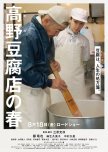
This is a story about tofu.
This is a story about an old man, who refuses to change.
This is a story about a father who loves his daughter.
This is a story about two survivors.
This is a story about gently supporting each other.
This is a story about expressing love.
This is a story about life.
This is a comedy. This is a simple slice-of-life story. This is a film that moved me to tears.
Expect a mostly slow-paced slice-of-life film, in the style that's typical for Japanese films of this genre. It has more than a few layers of story, see above, and those who get on with the style will surely find their own reading.
For me, what was most poignant, and maybe not easily accessible for the younger generation, was the way the two older people lived their life and how they looked back on it. They are, I think, almost exactly as old as my own father, and I found much of him in theses characters. All of them have lived through the horrors of war in their early childhood -- they saw the bomb falling on Hiroshima, my father lived through air raids in cellars; all of them have had to go on with life and rebuild a society they did not destroy, and even though there was no one to talk with about these experiences, this generation shares a silent kowledge about their traumatic childhoods and a quiet acceptance of what is that later generations don't. And in this film you can see exactly that -- and also how freeing it is for both to finally talk about it, to acknowledge the pain and to share their values with each other.
Other viewers might rather focus on the father-daughter-relationship or the tofu making process, or the scenery of Hiroshima, or maybe the two love stories -- it's all fine; I think this is what the writer wants us to do -- and this is what makes the film a great example of a good slice-of-life film.
The overall quality of the film is excellent, as it is usually the case with films shown on JFF Theater; the only thing I would have liked to be different is that Fumie's actress, while outstanding in her portrayal of the character, is about twenty years too young -- and because of that, I was unsure about the character's age for most of the film; even though that is an important fact to know about her, that she was a child in 1945.
Was it good?
Yes. Except for the one aspect I mentioned, it was well-written, and well-executed.
Did I like it?
I did. This is one of the kind of films I need to be in the right mood for, and I'm glad I found the time at the right moment for it.
Would I recommend it?
Definitely. Especially to those who like the Japanese style of slice-of-life films.
This is a story about an old man, who refuses to change.
This is a story about a father who loves his daughter.
This is a story about two survivors.
This is a story about gently supporting each other.
This is a story about expressing love.
This is a story about life.
This is a comedy. This is a simple slice-of-life story. This is a film that moved me to tears.
Expect a mostly slow-paced slice-of-life film, in the style that's typical for Japanese films of this genre. It has more than a few layers of story, see above, and those who get on with the style will surely find their own reading.
For me, what was most poignant, and maybe not easily accessible for the younger generation, was the way the two older people lived their life and how they looked back on it. They are, I think, almost exactly as old as my own father, and I found much of him in theses characters. All of them have lived through the horrors of war in their early childhood -- they saw the bomb falling on Hiroshima, my father lived through air raids in cellars; all of them have had to go on with life and rebuild a society they did not destroy, and even though there was no one to talk with about these experiences, this generation shares a silent kowledge about their traumatic childhoods and a quiet acceptance of what is that later generations don't. And in this film you can see exactly that -- and also how freeing it is for both to finally talk about it, to acknowledge the pain and to share their values with each other.
Other viewers might rather focus on the father-daughter-relationship or the tofu making process, or the scenery of Hiroshima, or maybe the two love stories -- it's all fine; I think this is what the writer wants us to do -- and this is what makes the film a great example of a good slice-of-life film.
The overall quality of the film is excellent, as it is usually the case with films shown on JFF Theater; the only thing I would have liked to be different is that Fumie's actress, while outstanding in her portrayal of the character, is about twenty years too young -- and because of that, I was unsure about the character's age for most of the film; even though that is an important fact to know about her, that she was a child in 1945.
Was it good?
Yes. Except for the one aspect I mentioned, it was well-written, and well-executed.
Did I like it?
I did. This is one of the kind of films I need to be in the right mood for, and I'm glad I found the time at the right moment for it.
Would I recommend it?
Definitely. Especially to those who like the Japanese style of slice-of-life films.
Was this review helpful to you?


