
 K-Drama





This review may contain spoilers
Still singing Linda Linda Linda out loud
Linda Lind LINDA is definitely one of those Japanese movies that are tucked into someone’s old cassette hidden in an old shoebox and on random Sundays it takes you on a journey.Overall, the movie is simple but really enjoyable. My only negative remark about this movie is that since the accident starts just 3 days before the cultural festival, the amount of things that happen feels way too much to wrap up in 3 days. I wish they had about 2 weeks; it would have consolidated their thoughts and feelings and made an impactful friendship.
Overall, the movie starts in a very odd way; we don’t see the main event that led to the band falling apart, but the movie starts after the problem has already happened, so you’re kind of thrown in the middle trying to understand what is happening. Also, in the first 40 minutes of the movie, the dialogues were so little that there was so much silence, and I wish they had more dialogues. For someone who never watched Japanese movies, this movie would be very confusing because I think you need to have a bit of understanding of Japanese school culture through movies or anime to understand it, as the movie does not have many dialogues giving context.
However, I did like the way the character of the Son represented us, the audience, asking and wondering things as we don’t get much explanation for why the band broke up or some of the backstoryabout the girls, so maybe this was also the point, leaving that air of confusion that being a high schooler brings.
The best part of the movie is definitely the music. Although they were in a band that fell apart, the bandmates had to reorganize and even learn a new instrument, and with a singer who can’t really speak much Japanese, it takes us through a journey of learning music and appreciating it. The music is definitely one of the best parts, and as the movie ends, the performance really was so much excitement.
It is a good movie about making friendships and music, but I just wish it had a bit more context and more dialogue. I certainly enjoyed watching it a lot, but again, I do think a wider audience will fnd it diffiuclt to grasp but Japan cinema lovers will appreciate this.
P.s. you will be stuck with Linda Linda Linda in your head for weeks,
Was this review helpful to you?

This review may contain spoilers
Watch this to recharge
I had a blast watching My Troublesome Star from beginning to the end. I really like Uhm Jung Hwa; she is effortlessly funny and really a good actress, and her role choices are always so interesting.Plot**
The story tells about Im Se Ra, a popular actress who has become Korea's sweetheart, and as she is becoming more and more notorious, she gets into a strange car accident. Since then, she disappears, but 25 years later, she comes back to the spotlight with shocking revelations.
The kdrama was really a nice watch; it has a good amount of comedy and storytelling with a bit of a reality check in terms of the scary deals that female celebrities have to go through to get to the top. The story is fun, not heavy but still has a bit of drama, and it was a pleasure to see the female lead and male lead together; they worked so well, and I had seen them in another movie together years and years ago, and they had great chemistry, so I was so happy to see them again as romantic interests.
This is definitely one of those dramas you can watch easily; it's not heavy, and it's very enjoyable. The cast does a really great job; I really love the choice of Jang Da A as the young Im Se Ra. Although she is new, she is incredibly talented. I saw her in Pyramid Game and thought she was a seasoned actress, only to find out that was her debut role. She is so talented, and I hope I get to see her more and more.
Lee El, who plays the role of the antagonist, is so good. I have seen a few kdramas with her, and I think she is so underrated; she played her role so well with a bit of sassy comedy. I really disliked her character, who was so jealous and ready to do anything for fame and Lee El was so good at potraying her.
Uhm Jung Hwa, she is such a funny and talented actress; whenever I see her in the cast of a project, I am always eager to watch it as I know she is going to be funny and the story is going to be good and not going to stress my mind. This is exactly what this drama is; it’s funny but also heartfelt.
If you are looking for something that makes you relax and makes you laugh after watching a heavy dramas, I would definitely suggest this one.
Was this review helpful to you?

This review may contain spoilers
Overloaded but nice
Undercover High School started off strong, and I expected it to be a captivating story from beginning to end. However, somewhere in the middle, the excitement faded. The plot became less exciting, and the characters felt weaker in certain areas.The concept of an NIS agent going undercover as a high school student was intriguing, but the romance with the teacher felt excessive. I think the story would have benefited more from a friendship dynamic instead, or if the teacher had been an older woman working undercover to assist the police, it would have made it much more comical. The romance felt like something that could have been subtracted easily and took away from the originality of the narrative, making it resemble just like other K-dramas where couples rekindle relationships from their childhood.
The portrayal of bullying in the school was an interesting topic to highlight, and initially I thought the most popular girl, who seemed poised, would be a key antagonist character. However, she quickly became weak, which was disappointing. I expected her to develop into a more formidable antagonist or at least take a strong stand. Similarly, the principal started out as a fascinating character, but her tactics weakened as the story progressed. While she was presented as a strong villain, her plans failed to match that strength.
Also, after the first few episodes, the story became overloaded with plotlines, including the NIS agent searching for a lost father, looking for gold, dealing with bullying, discovering a mole within the agency, and navigating a romantic relationship. It felt like too much was crammed into one narrative. The love subplot, in particular, could have been removed without harming the overall story. Although it incorporates elements of mystery, action, school issues, and romance, trying to combine them all resulted in a cluttered storyline in my opinion. While I don't think it's a bad show, I feel conflicted about it; it simply has too much going on.
Was this review helpful to you?

Listen to me.. don't read anything, just watch!
"Hide and Seek" is one of those Korean movies you absolutely need to watch if you are a fan of thillers. It’s incredibly engaging and full of action, featuring many notable names in Korean cinema.I enjoyed the movie so much that I wished I had seen it earlier! It’s definitely a film that keeps you on the edge of your seat. My best advice is to avoid watching any trailers or reading plot summaries before diving in. Just go straight into the movie; it’s an experience you want to feel fully raw without any informations, trust me it will elevate the experience.
Was this review helpful to you?

This review may contain spoilers
This may become your comfort movie
Haru was such a lucky find. I was genuinely surprised to come across this movie because it is quite old and not something you hear people talk about often. Released in 1996, it offers a deeply nostalgic experience, especially for anyone who grew up in the 90s.
The cinematography, pacing, and color palette perfectly capture the atmosphere of films from that era. Watching it brought back so many memories and made me nostalgic.
Plot**
The story follows Haru and Hitoshi, who meet though an online movie forum. They begin exchanging emails and grow close when Haru discovers that Hitoshi is actually a girl. Their correspondence continues for a long time as they share their lives and support each other
What makes this movie truly unique is that around 85% of it consists of email exchanges. You literally read their messages on screen, which gives the movie an almost book-like feeling, like reading through letters. The story is great and could easily become someone's comfort movie.
This film resonated with me deeply because it reminded me of my own experience with online friendships many years ago.
About 25 years ago, I also had an online friend with whom I exchanged emails weekly. We created precious memories together and supported each other throughout our school years. Watching Haru brought back a huge wave of nostalgia and emotions I had almost forgotten.
What makes the movie even more fascinating is remembering the time period in which it was made. In 1996, not everyone had access to computers or the internet, so this type of story must have felt incredibly modern and unusual.
Another aspect I appreciated is that Hitoshi and Haru don’t share everything about their lives; they only reveal certain parts. This limited sharing creates a sense of mutual support that sustains them in things that truly matters to them. For instance, Hitoshi never mentions the guy who was stalking her but does talk about a man who proposed to her. Perhaps, on some level, they both sensed their growing feelings for each other and wanted to gauge each other's reactions.
Overall, Haru is a wonderful film, especially for fans of older movies and slower, emotionally driven storytelling.
I think 90s kids in particular will truly cherish this experience because the raw cinematography and atmosphere feel like a postcard from that era. It captures not only the aesthetic of the 90s, but also the emotional loneliness and warmth of early internet connections in a way that feels timeless.
Was this review helpful to you?

The plot twist was so unexpected
This movie My Blood & Bones in a Flowing Galaxy had the craziest plot twist ever. I thought this would be a cute story about one person getting bullied and another one (hero) rescuing her and falling in love, but wow, I did not see that. The movie definitely talks about the hero complex and how it sometimes can lead to so many issues, but also the psychology behind the person who wants to be a hero and maybe wants to be appreciated and recognized and loved. It's one of those movies that you think it's about something but is way more dark and different from what you expect it to be. So I would definitely tell you to go in blind; I think it would make you appreciate the movie, because the story takes you through everything, and you would end this movie with the realization this was crazy. It's definitely a great movie, dark and also more detailed than you think.Was this review helpful to you?

This review may contain spoilers
I was surprised by this drama's ability to dive into so many controversial topics surrounding celebrity life in Korea. While many other dramas touch on similar themes, they often focus on just one or two subjects, typically revolving around sasaeng fans. This particular drama, however, tackled a vast number of issues, which is likely why it stirred up such controversy in Korea. I just know fans watched this and found it annoying how the drama pointed out their own toxic behavior.There are quite lot of things they talk about
-At its core, the drama examines the unrealistic expectations placed on idols, how society perceives them as perfect beings devoid of human emotions. The pressure to maintain an image of perfection is immense.
-It sheds light on the complex group dynamics within idol groups, where friendships aren’t always as harmonious as they appear.
-The drama illustrates how misunderstandings can escalate, especially when people jump to conclusions based on photographs without knowing the full story.
-The portrayal of sasaeng fans is particularly striking, highlighting those who invade idols' privacy, even breaking into their homes. When an idol reacts negatively to such violations, it’s often the idol’s reaction that becomes a topic of discussion, rather than the serious issue of trespassing itself.
-The drama also raises poignant themes about the loss of idol group members and how public opinion can swiftly turn against them, often calling for punishment without any understanding of the context or circumstances involved.
-Additionally, the drama critiques the music industry, showcasing the detrimental role of CEOs and management companies.
as well as the relentless paparazzi who manipulate stories for profit, distorting reality in the process.
-It explores the dichotomy of fan relationships, as some fans profess to care deeply for their idols, all while fearing association with the more extreme, obsessive fans.
-The complexities of dating as an idol are also explored, addressing the societal expectations about who idols can date and the inevitable pressure leading to forced breakups. The idea of clandestine relationships is prevalent, revealing how fame can even affect an idol’s family dynamics.
One poignant subplot involves a mother who exploits her son’s fame for personal gain, showcasing the darker side of celebrity life.
Although the drama covers an impressive range of topics, the one aspect I found less enjoyable was the romantic plotline where the idol falls for a fan. I believe a platonic love or friendship could have served the narrative better, but perhaps the creators wanted to illustrate the dynamics of dating in the public eye. I would say the acting was not always the best or the storyline sometimes felt a bit rushed; however, I think this is a brilliant drama as it covers so many aspects of being an idol/celebrity in Korea and it deserves so much praise. I think for anyone who is not familiar with the Asian entertainment business, this drama could highlight so many aspects. It's definitely a drama that you should watch.
Was this review helpful to you?
Between Past and Future
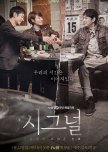
I’m really glad I discovered this drama just a few months before the second season comes out. If I had found it earlier, the wait for the new season would have been so difficult because it was that good.The plotline is incredibly intriguing, especially with its exploration of time travel and the impact of changing past events. What I appreciate most is that whenever the characters attempt to alter the past or the future, the outcomes aren't always perfect. There remain significant consequences and unfairness. For every change made in the past, a complicated consequence ensues. Sometimes characters face tragic losses, situations worsen, or even attempts to change the past lead to a repetition of the same events, albeit with different outcomes. For instance, while trying to save someone from suffering, they might find that the same pain resurfaces in the future regardless. This really put into prospect the idea that you cannot escape your destiny, no matter how hard you try to change the past.
Overall, I found the drama to be interesting, and the cases captivating. However, I did feel that midway through the story, the interaction between the detective in the past and the profiler in the future became less balanced. At certain points, the focus seemed to shift more towards the future, treating the past almost as an afterthought. I would have loved to see more of what was happening in the past.
Another point of interest is that this drama was produced in 2016, and it's fascinating to see Lee Je Hoon, the same actor from 'Taxi Driver,' at the beginning of his career. It's clear how much he has improved since 'Signal.' He wasn't always as polished then as he is now in 'Taxi Driver,' which makes it interesting to observe his growth as an actor. I’m really excited that after 10 years, they decided to create a season 2, especially since the first season ended at such a gripping cliffhanger.
Was this review helpful to you?

Even if This Love Disappears from the World Tonight
1 people found this review helpful
Not watching this a second time ! Trauma !!
This movie is just another JTrauma, and recently, Korea dropped its remake, However, if you're looking for a viewing experience that will profoundly traumatize you, I highly recommend the original Japanese version. I won’t give away any plot details, but I must emphasize just how powerful and moving this adaptation is. It’s a cinematic experience that left me deeply affected, so much so that I don’t think I could ever bring myself to watch it again. Although it’s an incredible and emotionally charged, it’s one that lingers long after the credits roll. You should definitely watch it, though, because it’s truly a beautiful piece of art that deserves to be seen.Was this review helpful to you?

This review may contain spoilers
Another JTrauma
There is a specific category of Japanese anime and movies that are called Jtrauma, because of how traumatic they are. They often have really touching relationships and romantic love stories that make you giggle and blush, and then when you least expect it, they are going to hit you with one of the characters dying. It's gonna come in such an unexpected way that it’s gonna hurt like a punch in the stomach. And this movie belongs right to that category.So this is my warning in case you don't want to cry, but if you are crazy just like many of us, this was a great movie. The story is so sad but a great experience. Dayum, I thought I got used to these Jtrauma after watching so many movies like this, but it seems like I still have not built enough tolerance 'cause I was sobbing the whole time.
Another aspect I enjoyed was the cinematography and the use of light. The contrast between the couple and the world outside was fascinating. The room seemed much darker, almost foreshadowing the tragic ending, while the light coming from outside was soft, bright, and full of hope. This contrast intensified the emotional impact of the story. I did find it a bit annoying how high the brightness was compared to the darkness, as I had to constantly adjust the brightness on my screen. Still, it was a clever choice to emphasize the difference between life and death.
Definetly a great movie and worth watching.
Was this review helpful to you?
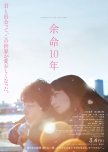
Another Trauma but so worth it!
Just another Japanese drama, and for some reason, as usua Nana Komatsu plays another traumatic characters, and she is simply brilliant. When I started this movie, I knew I was going to regret it; in fact, I was just sobbing the whole time.The movie has brilliant story, but it’s sooooo SAD!!!!!. However, apart from being sad, the movie highlights important message which is; how most people treat life so lightly, never appreciating the blessing of being alive and healthy while others have their days numbered. It’s incredibly moving, and as only a Japanese film can, it’s extremely sad but at the same time a brilliant piece of work. I think you should dive into this blindly without watching any trailers or reading anything about it. I would definitely add this to my list of must-watch all-time best Japanese movies because its just brilliant.
Was this review helpful to you?

If I had told her how I felt back then, would the future have been different?
"18×2 Beyond Youthful Days" is truly a cinematic feast. If you enjoyed "Love Letter" and have a fondness for old Hong Kong-style movies featuring those vibrant and warm colors, you will likely love this film.Prepare yourself for a deeply emotional experience, as this movie is quite sad! Have a mega tissue box nearby because you’re going to feel a lot. This will resonate even more if you've seen "Love Letter," the iconic Japanese movie, since this story parallels its narrative and cinematography.
This film, a co-production between Taiwan and Japan, takes us on a journey through the bustling warm streets of Taiwan and showcases the stunning coastal and snowy landscapes of Kamakura, Nagano, and Fukushima.
Despite its breathtaking cinematography and camerawork, the film excels in plot as well. Paying homage to "Love Letter," it tells the story of Jimmy and Ami as they fall in love, only to be confronted by life's twists and turns and the regrets tied to lost chances. It prompts us to reflect, "If I had told her how I felt back then, would the future have been different?" As Jimmy travels through Japan, a sense of nostalgia washes over you. We’ve all experienced the feelings of lost time and missed opportunities, and the regret of waiting too long to meet the people we wanted to. Sometimes, we get caught up in the routine of life and forget to truly live. This is the kind of movie that evokes those emotions profoundly.
From a cinematography perspective, this film serves as an excellent case study for film schools. The way the story and performances are enhanced through careful camera angles, lighting, and color is remarkable.
At the beginning of the movie, we see a lot of cold tones;whites and greys, that evoke a sense of chill. This color palette mirrors Jimmy’s life, which has lost its warmth as he has moved into adulthood. His once bright and joyful self is now overshadowed by the stresses of business, leaving his days filled with grey, much like the colors on screen.
In contrast, his flashbacks to youth are brimming with warmth; a vivid array of yellows, oranges, and reds that capture the lively nights in Taiwan's bustling streets, filled with traffic and roadside food stalls illuminated by cheerful yellow lights and neon signs. It feels warm, happy, and comforting, reminiscent of old-school, vintage Hong Kong-style movies, which are soaked in nostalgia. The colors perfectly match the emotions the movie aims to convey; so much that, you can almost feel the warmth radiating from the screen.
The film culminates in a visual feast, showcasing scenic locations in Japan that echo the breathtaking scenery of "Love Letter," now rendered with bright whites and soft hints of cool blues. These colors evoke feelings of a bright future, beauty, and clarity, emphasizing the vastness of the Earth and the endless opportunities for exploration. It serves as a reminder of how traveling and the people you meet can forever change your perspective on life.
The sense of nostalgia that pervades the entire movie makes you feel alive, almost as if you’ve shared those experiences with Jimmy. Perhaps it’s the millennial in me that longs for those old memories, which are deeply embedded in our hearts and souls.
If you appreciate storytelling, cinema, and art, you will find much to love in this film. There’s so much to discuss. However, for a more complete experience, I recommend watching "Love Letter" first. It will provide greater clarity and make you appreciate the film’s message more profoundly.
Was this review helpful to you?
This review may contain spoilers
Not what you expect
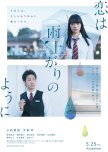
I am a huge fan of Nana Komatsu, and I was really excited for this movie when I saw her being part of the cast. She chooses very interesting scripts, so I am always excited to know more about her projects.At the beginning, this will feel like another crazy age gap, high school student falling for an old guy kind of story, but hear me out; this is far from any romance. I would call this a journey of healing, a journey to save each other, and a journey to find back the path they walked away from.
On one side, we have Akira, a promising track athlete who was so unbeatable, but since her injury, she doesn’t know whether she’ll be able to continue again and is contemplating giving up on running entirely, putting her into a depressive spiral. On the other side, we have Masami, a 45-year-old divorcee with a son, who completely gave up his lifelong dream of becoming a writer. He is in the middle of a mid-life crisis but is a sweetheart and deeply cares about his employees, wanting to make sure they’re comfortable and happy.
Although Masami refuses Akira's love confession due to their large age gap, she somehow convinces him to go on a date, and that’s where we see their friendship birth. After learning each other’s struggles and lost dreams, the two develop a relationship of respect for each other. This is not love but more of two friends cheering each other and looking at each other fondly. The best part of their relationship is how they were able to inspire each other, and especially Masami seeing someone young and passionate like Akira rekindles his own forgotten feelings of youthful passion toward literature.
Masami and Akira’s relationship was never meant to be, but their "romance" touched both of them deeply and made them rediscover how much they loved their own passions.
Although the premise might make it look like this was going to be an awful, weird age gap romance, it’s far from that. Instead, it’s a beautiful story of two lost individuals who find each other and become friends, and help each others find back the path they walked away from. It’s a nicely made movie, but since this was from a manga, making it into a movie did cut a lot of important time frames. To adapt to the short duration of the movie, most scenes feel rushed and don’t allow enough time to develop or explore the feelings.
The only flaw I found was that the whole focus was on Akira's story and Masami felt left out. We don’t get to know much about his divorce, his struggles, and his thoughts (maybe due to the movie format), but the focus is only on Akira. However, it’s an inspiring movie, but the structure of the movie and time constraints really take a lot of its impact and make it feel incomplete.
Was this review helpful to you?

Watch it ! its so nostalgic and warm
Swing Girls is everything a movie should be! It makes you dream, laugh, feel emotional, and simply feel good.More than that, it teaches you something, A quality modern day movie lacks, but old day movies were build on.
This is something older movies do so well. They have a kind of soul that feels missing from many modern movies. They are not overly polished or filled with filters trying to look perfect. They go straight to the heart. They stay with you and make you feel something real.
Plot**
The story follows a group of middle school girls stuck in summer school, trying to make up subjects they did not pass. They are bored and restless, just waiting for time to pass, until they notice the school band leaving for a baseball game without their bentos. They convince their teacher to let them deliver the lunches, but what should have been simple quickly turns into chaos. Because of how chaotic they are, the entire band ends up with food poisoning. As a result, these girls, who have no musical background at all, are forced to take their place.
At first, it is only an excuse to skip summer classes. But slowly, something changes. What begins as a joke turns into something real. They get pulled into the world of jazz, and it starts to take over in the best way possible.
This is what makes the movie so special. It does not just tell a story, it lets you discover something alongside the characters. Jazz is not just background music here, it becomes the heart of the film. You feel their struggles, their awkward beginnings, and their small victories as they slowly find their rhythm.
It is fun, emotional, and warm, but it also feels meaningful. Nothing about it feels empty. Unlike many modern movies, it takes a specific topic and shows you how interesting and beautiful it can be. It makes you curious and makes you want to learn more.
By the end, you feel fully invested in these imperfect girls learning to play music and growing together. Watching them come together through music feels heart warming.
This movie also feels incredibly nostalgic. Being an early 2000s film, it brings back that slower pace movies used to have, where everything had time to breathe. The setting, with its quiet rural Japan and everyday school life, feels so comforting and healing.
It is the kind of film that makes any Japan lover wish they could step into that world. You know that feeling, when you wish you were born in Japan, going to school there, living those simple days… even something as small as falling asleep on your desk in class somehow feels beautiful.
Was this review helpful to you?
This review may contain spoilers
This is such weird one
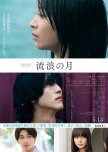
Wandering is one of those movies that doesn’t sit right. You watch it, and afterwards you feel this strong urge to talk about it, to explain what it made you feel, but the words just don’t fully come. It’s unsettling.Plot**
The story follows 9-year-old Sarasa, who loses her father to cancer and is sent to live with her aunt, her aunt’s husband, and her 14-year-old cousin. Her aunt sees her as a burden and as someone who will only cause trouble. The worst part is also that her cousin does bad things to her every night. Sarasa already feels unwanted and out of place.
One day at a park, she meets 19-year-old Fumi. When Sarasa tells him she doesn’t want to go home, he tells her she can go with him. Weeks pass, and the entire country becomes consumed by the news of a kidnapped 9-year-old girl. Years later, when Sarasa is an adult, she meets Fumi again.
The story feels strange, and I’m still not sure if my understanding is completely correct.
When you watch the movie, you mostly see things from Sarasa’s perspective. In her memories, she is living in a house with a 19-year-old who feeds her and provides for her. It sometimes feels calm. Almost normal.
But then there is the world’s perspective: a 9-year-old girl has been taken by a 19-year-old man ( if you know what I mean). That is kidnapping. That carries obvious and disturbing implications.
As Sarasa grows up, her flashbacks sometimes make their relationship seem almost platonic. Yet there are small moments that hint something isn’t right, subtle signs that make you uncomfortable and question Fumi’s intentions. The film never clearly defines him as purely evil, but it also never lets you feel safe about him.
That’s what makes it so hard to interpret.
It becomes even more conflicting because Sarasa’s life before meeting Fumi was already painful and unstable. Compared to the emotional neglect she experienced at home, her time with him might feel different in her memory. And that creates this uncomfortable grey area that the film refuses to resolve.
So I wonder, is she remembering it as safer than it was? Is trauma reshaping her perception? Is the movie intentionally blurring the lines between personal memory and social reality?
I found it difficult to fully grasp what the film wanted me to conclude. It doesn’t guide you toward a clear moral statement. Instead, it leaves you in that tension, between sympathy and discomfort, between perspective and reality.
Wandering isn’t an easy watch. It’s not a film that wraps things up neatly. It leaves you questioning what you saw and how you feel about it, and maybe that lingering confusion is exactly what it’s meant to do.
Was this review helpful to you?


