
 News


This review may contain spoilers
Skip the full-length drama version and watch this instead
Watched on the Bump app with English subtitles!As someone who was publically underwhelmed by the longform version of this story, I think it's kind of my duty now that I've watched this version to compare the two and give my recommendation so you can save drama watching time.
When I started this one, I didn't even realize it was another adaptation of the same work until I looked it up, which is pretty telling of how little of an impression the MBS drama left. Given that this is a fraction of the runtime, there is obviously not enough time to really flesh out the backgrounds of the two main characters, but I think that's a point in this version's favor. The only thing unique/interesting about this story is the premise, which this version preserves while cutting a lot of the filler and cliche, and I liked that this ends on a more open, friendly note between Teito and Karen rather than them explicitly getting together because it made their romance feel more organic rather than plot convention. I also think the two leads have more chemistry than their longform counterparts and are personally more my taste visually lol.
Neither version is the pinnacle of their craft by any means, so if you just want a cute, quick watch, the efficiency of this version alone makes it a better experience in my eyes, and I would even say that it holds up on its own as one of the better vertical dramas in general.
Was this review helpful to you?

Dare You to Death — 10/10
Dare You to Death had me in a serious chokehold! 😭🔥 From the moment I started watching, I knew I was going to have a hard time letting this one go.JoongDunk Their chemistry was everything I wanted and more. The tension between them, the emotional moments, the way they looked at each other — PLEASE! 😭❤️ How am I supposed to watch something like this and remain normal?
I loved the combination of romance, suspense, drama, and emotional intensity. The story kept giving me reasons to continue watching, but honestly, even when I already knew what was coming, I still wanted to experience it again.
And yes, I have REWATCHED THIS SERIES MULTIPLE TIMES! 😂😭 I keep telling myself, "I'll just watch this one scene," and before I know it, I'm several episodes deep again. That's how you know a BL has really gotten to me.
The leads have that kind of chemistry that makes you want to replay scenes just to experience the emotions again. There are moments that stay in your mind even after you've finished the series.
Dare You to Death is officially one of those BLs I can't completely move on from.
10/10 — the chemistry, the emotions, the tension, the story… EVERYTHING! 🔥❤️ I will absolutely keep coming back for another rewatch.
Was this review helpful to you?
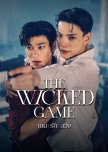
Ten over Ten
Where do I even begin with this series? 😭❤️ The Wicked Game completely pulled me in and refused to let me go. The chemistry between Khaotung Thanawat and First Kanaphan was honestly one of the biggest reasons I became so obsessed with this series.Their chemistry felt so natural, intense, and addictive. Every look, every little interaction, every emotional scene had me completely invested. There were moments when I found myself smiling at my screen like a fool, and other moments when I was so emotionally invested that I had to pause and breathe. 😂😭
I loved the way the story kept me interested and how the relationship between the leads continued to develop. It gave me romance, tension, emotions, and those little moments that stay in your head long after an episode ends.
And the biggest problem? I CAN'T SEEM TO LET IT GO! 😭 I keep going back to rewatch my favourite scenes, and somehow every rewatch makes me fall for the characters and their chemistry all over again.
Some BLs you watch once and move on. The Wicked Game is definitely not one of them for me. This is one of those series I can randomly remember and immediately feel the urge to start watching again.
10/10. Absolutely addictive, emotionally satisfying, and completely rewatch-worthy. I’m obsessed! 🖤🔥
Was this review helpful to you?

Amazing drama
The Prophet (2026); 10/10I really enjoyed watching this drama. It was amazing, entertaining, and honestly very fun to watch from beginning to end. The story kept me curious about what would happen next, and there were plenty of interesting moments that made me want to continue watching instead of stopping halfway.
What I liked most is that the drama gave me that feeling of wanting to know what happens in the next episode. The characters, story, mystery, and different situations made the drama enjoyable for me as a viewer. Some parts were surprising, some were funny, and some moments made me seriously think about what was going on.
I’m not a professional drama critic, so I’m rating this simply as an ordinary viewer who enjoyed the experience. For me, a drama doesn’t need to be perfect in every single detail if it can keep me entertained and make me look forward to the next episode. This one definitely did that.
Overall, I had a great time watching The Prophet. It was interesting, exciting, and entertaining, and I would happily recommend it to viewers who enjoy Chinese dramas with mystery, drama, and an engaging story.
My rating: 10/10 ⭐⭐⭐⭐⭐⭐⭐⭐⭐⭐
For me, this is definitely one of those dramas where you watch one episode and then think, “Okay, just one more.” 😂
Was this review helpful to you?
This review may contain spoilers
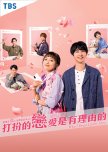
The Paradox of Appearance: When Maturity Wins Over Clichés (Despite the Usual Silences)
[Italian Version Below / Versione Italiana in Basso]ENG
Why I Dress Up for Love belongs to a genre — Japanese rom-coms — that is too often populated by childish female leads and toxic, outdated shojo manga dynamics. In this landscape, this 10-episode series is a breath of fresh air. It portrays real 27-year-olds with genuine careers, navigating the weight of social expectations and the anxiety of social media validation.
~ The Strengths: Growth and Stripping Away the Noise ~
The core strength of the drama lies in the chemistry between Mashiba (played by a solid, grounded Haruna Kawaguchi) and Shun. His minimalist philosophy is not just a quirky character trait; it becomes the catalyst that helps her shed her "costume" (her Instagram filters and career-driven anxiety) to find her authentic self. The shared-house setting offers moments of genuine warmth, and the ensemble cast works beautifully together, elevated by gorgeous cinematography and stylish directing.
~ The Weaknesses: The President’s Shadow and Chronic Miscommunication ~
The story hits a rough patch in episodes 8 and 9, where the writers succumb to the most frustrating cliché: the artificial love triangle. President Hayami’s intrusion exploits Mashiba's temporary passivity and Shun's tendency to shut down, dragging the viewer into a festival of unspoken feelings typical of Japanese melodramas. This narrative detour causes more irritation than actual dramatic tension, only to be hastily resolved in the finale with a convenient time-jump where everyone gets a neatly wrapped happy ending and a collective wedding.
~ The Verdict: A Highly Satisfying Compromise ~
Despite the pacing issues near the end and a few too many silences that will test the patience of more analytical viewers, Why I Dress Up for Love remains one of the most mature and visually stunning Asian rom-coms of recent years. By ditching hysterical caricatures in favor of characters who — despite their communication flaws — actually try to grow, it delivers a genuinely rewarding watch.
Recommended for: Viewers looking for a mature Japanese rom-com, fans of minimalist lifestyles, lovers of aesthetically pleasing shared-house dramas, and anyone who appreciates realistic character growth.
---
ITA
Il Paradosso dell'Apparenza: Quando la Maturità Vince sui Cliché (Nonostante i Soliti Silenzi)
Why I Dress Up for Love appartiene a un genere — quello delle commedie romantiche giapponesi — troppo spesso popolato da protagoniste infantili e da dinamiche tossiche o superate da shojo manga. In questo panorama, questa serie in 10 episodi rappresenta una vera boccata d'aria fresca. Racconta ventisettenni reali, con carriere vere, che affrontano il peso delle aspettative sociali e l'ansia da prestazione legata alla validazione sui social media.
~ I Punti di Forza: Crescita e Riconquista dell'Essenziale ~
Il vero punto di forza del drama risiede nella chimica tra Mashiba (interpretata da una solida e concreta Haruna Kawaguchi) e Shun. La filosofia minimalista di lui non è un semplice tratto caratteriale eccentrico, ma diventa il catalizzatore che aiuta lei a spogliarsi del suo "costume" (i filtri di Instagram e la frenesia della carriera) per ritrovare la propria natura autentica. L'ambientazione della casa condivisa regala momenti di sincero calore, e il cast secondario funziona a meraviglia, valorizzato da una fotografia splendida e da una regia di gran classe.
~ Le Debolezze: L'Ombra del Presidente e l'Incomunicabilità Cronica ~
La storia subisce una battuta d'arresto negli episodi 8 e 9, quando gli sceneggiatori cedono al cliché più frustrante: il triangolo amoroso artificiale. L'intrusione del Presidente Hayami fa leva sulla temporanea passività di Mashiba e sulla tendenza di Shun a chiudersi in se stesso, trascinando lo spettatore in un festival di non-detti tipico del melodramma giapponese. Questa deviazione narrativa genera più irritazione che reale tensione drammatica, per poi essere risolta frettolosamente nel finale con un comodo salto temporale in cui tutti ottengono un lieto fine infiocchettato e un matrimonio collettivo.
~ Il Giudizio Finale: Un Compromesso Molto Soddisfacente ~
Nonostante i problemi di ritmo sul finale e qualche silenzio di troppo che metterà a dura prova la pazienza degli spettatori più analitici, Why I Dress Up for Love resta una delle commedie romantiche asiatiche più mature e visivamente affascinanti degli ultimi anni. Rinunciando a caricature isteriche in favore di personaggi che — pur con i loro limiti comunicativi — provano davvero a crescere, offre una visione genuinamente appagante.
Consigliato a: Chi cerca una commedia romantica giapponese matura, gli amanti dello stile di vita minimalista, chi apprezza le storie di convivenza esteticamente curatissime e chiunque cerchi personaggi in crescita reale.
Was this review helpful to you?

Guyyyyys this is hot ?
I’m sorry, but I’m OBSESSED with this series!!! 😭🔥 FirstKhaotung and JoongDunk completely owned my heart. First Kanaphan as Kant and Khaotung Thanawat as Bison??? THE CHEMISTRY!!! And then Joong as Fadel and Dunk as Style just made everything even more addictive. 😩❤️The tension, the flirting, the jealousy, the angst, the comedy, the action… EVERYTHING had me screaming at my screen! 😭 I went into this expecting a good BL and somehow came out emotionally attached to these four men.
And honestly, I keep going back to rewatch it because apparently one time was NEVER enough! 😂 Every rewatch hits differently, and I still find myself smiling, screaming and falling for the characters all over again.
This is one of those BLs I simply CANNOT DROP. The chemistry is insane, the characters are unforgettable, and my heart clearly has no intention of moving on. 😭❤️🔥
Rating: 10/10 ⭐⭐⭐⭐⭐⭐⭐⭐⭐⭐
Would I rewatch it again? ABSOLUTELY. I’M ALREADY THERE. 😂❤️🔥
Was this review helpful to you?
This review may contain spoilers
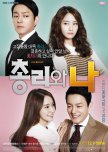
How to Have Your Intelligence Insulted in 17 Easy Installments
[Italian Version Below / Versione Italiana in Basso]ENG
~ The Verdict ~
Fraudulently marketed as a "romantic comedy," this drama is actually an experiment in television sadism that defies the laws of physics and human dignity. The plot deliberately ignores the Gaussian curve of common sense to focus solely on the absolute peak of nonsense and absurdity.
The narrative climax is reached when, after enduring fake marriages, real infatuations, and actual divorces, the two leads crown their emotional journey with the most chilling finale in TV history: a two-minute flat corporate handshake. Truly ideal for signing a photocopier leasing contract, but decidedly out of place for a love story.
~ Pros ~
Excellent as a potent emotional anesthetic (causing the instant hibernation of any romantic impulse) and perfect when paired with liters of therapeutic Red Bull to survive the endless rivers of unjustified tears.
~ Rating ~
1 Star (awarded exclusively as a tribute to Yoon-a’s biological endurance and the viewer's sheer stoicism).
---
ITA
Come farsi insultare l'intelligenza in 17 comode puntate
~ Il Giudizio ~
Spacciato truffaldinamente per una "commedia romantica", questo drama è in realtà un esperimento di sadismo televisivo che sfida le leggi della fisica e della dignità umana. La trama ignora deliberatamente la curva gaussiana del buon senso per concentrarsi unicamente sul picco assoluto del nonsense e dell'assurdo.
Il climax narrativo viene raggiunto quando, dopo aver sopportato finti matrimoni, vere infatuazioni e reali divorzi, i due protagonisti coronano il loro percorso emotivo con il finale più gelido della storia della TV: una stretta di mano aziendale da due minuti netti. Veramente ideale per la firma di un contratto di leasing di una fotocopiatrice, ma decisamente fuori luogo per una storia d'amore.
~ Pro ~
Eccellente come potente anestetico emotivo (provoca l'ibernazione istantanea di qualsiasi slancio romantico) e perfetto se accompagnato da litri di Red Bull terapeutica per sopravvivere ai fiumi interminabili di lacrime ingiustificate.
~ Voto ~
1 Stella (assegnata esclusivamente come tributo alla resistenza biologica di Yoon-a e al mero stoicismo dello spettatore).
Was this review helpful to you?
This review may contain spoilers
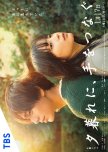
The Art of Overcomplicating Life (With a Detour to Paris)
[Italian Version Below / Versione Italiana in Basso]ENG
Oto and Soramame are two artistic souls sharing a roof, inspiring each other, and spending ten whole episodes not talking to each other — victims of exhausting misunderstandings and a script that heavily relies on '90s TV clichés.
~ The Stroke of Genius (A True Breath of Fresh Air) ~
In a sea of stale rom-com tropes, the series nails a moment of profound emotional sensitivity: the expected love triangle gets completely flipped on its head.
Seira, the singer, isn't your typical spiteful rival chasing the male lead. Her bond with Oto isn't a threat, but a shared heartbreak: she is in love with Soramame too!
Her line, "We're in the same boat, we've both been rejected," is a rare gem. It completely shatters toxic female rivalry and offers a fresh, poetic, and moving take on Soramame's magnetic charm — a girl who effortlessly captures the heart of anyone in her orbit. A modern, deeply empathetic, and beautifully written moment.
~ Other Highlights ~
Karma's Revenge: Soramame shutting down the opportunistic Isobe by throwing his own cynical words about love and work right back in his face. An absolute masterclass in roasting someone.
The Vibe: Great visual chemistry between the leads and a lovely, carefully curated soundtrack.
~ The Weak Spots (The Cliché Festival) ~
Emotional Censorship: Endless misunderstandings that two adults could have cleared up in a sixty-second conversation.
The 3-Year Math Rule: The inevitable time skip. She goes to Paris for exactly 36 months (two years are too few, four are too many).
Geographical Nonsense: Returning from France and heading straight to her hometown instead of Tokyo, where the guy she's been crying over for years actually lives.
The "Trope Bingo" Finale: A nostalgic reunion, him being 30 minutes late, her already walking away, and the desperate love confession shouted from a bridge.
~ The Final Verdict ~
Hold My Hand at Twilight relies heavily on safe, old-school tropes, but it gets saved from total predictability thanks to bold, modern touches (like Seira's love for Soramame) and moments of pure satisfaction. Predictable and at times frustrating, but it has a genuinely good heart.
Recommended for: Viewers who can read between the lines of human emotion, lovers of unexpected romantic twists, and anyone with a well-chilled bottle of Soju nearby.
---
ITA
L'Arte di Complicarsi la Vita (Con Deviazione a Parigi)
Oto e Soramame sono due anime artistiche che condividono lo stesso tetto, si ispirano a vicenda e passano dieci episodi interi senza parlarsi veramente — vittime di incomprensioni estenuanti e di una sceneggiatura che pesca a piene mani dai cliché televisivi degli anni '90.
~ Il Colpo di Genio (Una Vera Boccata d'Aria Fresca) ~
In un mare di soliti cliché da commedia romantica, la serie azzecca un momento di profonda sensibilità emotiva: il classico triangolo amoroso viene totalmente ribaltato.
Seira, la cantante, non è la tipica rivale perfida che va a caccia del protagonista maschile. Il suo legame con Oto non è una minaccia, ma un dolore condiviso: anche lei è innamorata di Soramame!
La sua frase, "Siamo sulla stessa barca, siamo stati rifiutati entrambi", è una gemma rara. Frantuma completamente la tossica rivalità femminile e offre una visione fresca, poetica e commovente del fascino magnetico di Soramame — una ragazza che conquista senza sforzo il cuore di chiunque entri nella sua orbita. Un momento moderno, profondamente empatico e scritto benissimo.
~ Altri Punti di Forza ~
La Vendetta del Karma: Soramame che mette a tacere l'opportunista Isobe riavvolgendo il nastro e sbattendogli in faccia le sue stesse ciniche parole su amore e lavoro. Una vera lezione magistrale su come asfaltare qualcuno.
L'Atmosfera: Grande chimica visiva tra i protagonisti e una colonna sonora incantevole, curata nei minimi dettagli.
~ I Punti Deboli (Il Festival del Cliché) ~
Censura Emotiva: Incomprensioni infinite che due adulti avrebbero potuto chiarire con una conversazione di sessanta secondi.
La Regola Matematica dei 3 Anni: L'inevitabile salto temporale. Lei va a Parigi per esattamente 36 mesi (due anni sono troppo pochi, quattro sono troppi).
Assurdità Geografica: Tornare dalla Francia e andare dritta al suo paese natale invece che a Tokyo, dove vive l'uomo per cui piange da anni.
Il Finale "Tombola dei Cliché": Una reunion nostalgica, lui in ritardo di 30 minuti, lei che se ne sta già andando e la disperata dichiarazione d'amore urlata da un ponte.
~ Il Giudizio Finale ~
Hold My Hand at Twilight si appoggia enormemente su cliché collaudati e di vecchia data, ma si salva dalla totale prevedibilità grazie a tocchi audaci e moderni (come l'amore di Seira per Soramame) e a momenti di pura soddisfazione. Prevedibile e a tratti frustrante, ma con un cuore genuinamente buono.
Consigliato a: Spettatori capaci di leggere tra le righe delle emozioni umane, amanti dei colpi di scena romantici inaspettati e chiunque abbia a portata di mano una bottiglia di Soju ben ghiacciata.
Was this review helpful to you?

Insane ?
I genuinely don’t know how I’m supposed to move on from this series! 😭❤️ Up Poompat as Krit and Poom Phuripan as Wayu completely stole my heart. The chemistry between these two??? INSANE! 🔥🥹 Every look, every touch, every emotional moment had me screaming at my screen!I have watched Love of Silom more than once, and somehow I STILL keep going back to rewatch it like I’m experiencing it for the first time. 😂😭 There’s just something about Krit and Wayu that I cannot let go of. Their chemistry, the tension, the romance, the emotions… EVERYTHING has me completely obsessed!
This is one of those BLs where I finish watching and immediately start missing the characters, so naturally… I go back and rewatch it again! 😂❤️
10/10 from me! No hesitation, no regrets! Krit and Wayu own a permanent space in my BL-loving heart. ❤️🔥😭
Was this review helpful to you?

This review may contain spoilers
Pride and Disenchantment
[Italian Version Below / Versione Italiana in Basso]ENG
Behind its facade of a workplace melodrama, this series hides an interesting, albeit belated, deconstruction of the classic "arrogant seducer" archetype. These 12 episodes heavily test the viewer's patience — not so much due to the female lead's bad luck, but rather due to the manipulative psychological games moving the strings in the first half of the story. Fortunately, it is saved at the buzzer by a beautifully mirrored finale and the maturity of the actual male lead.
~ The Focus: The Seduction Game and Predator's Arrogance ~
The real disruptive element of the plot is how the love triangle originates. The barista-actor doesn't enter the protagonist's life honestly; he does so through a deception fueled by pure narcissism. He steals someone else's blind date, uses a fake name, and approaches her with the typical arrogance of an alpha male convinced of his own charm ("I'm hot, I'm an actor: there's no way she won't fall for me"). Therefore, the triangle doesn't stem from her indecision, but from a calculated psychological ambush. The interesting narrative twist lies in the poetic justice: the arrogant hunter ends up falling in love for real, becoming a victim of his own game. In the end, he is forced to take a painful yet dignified step back to keep his promise and protect her happiness.
~ The Contrast: The Designer's Stability ~
Serving as the perfect counterweight to this toxic, manipulative loop is the designer. Where the barista uses masks, fake names, and subterfuge, the designer responds with total transparency and emotional stability. He refuses to sink into toxic drama. Even when he discovers the rival's true role, he chooses intellectual honesty over blind jealousy. His presence is the only breath of fresh air in an otherwise suffocating script, culminating in the splendidly ironic double-date sequence, where he simply sits back and watches everyone else's secrets crumble with amused detachment.
~ The Finale: Reclaiming Control ~
The ending finally redeems the passivity that the protagonist (played by a magnetic Han Ji-min) was forced into for most of the 12 episodes by corporate bullying and romantic deception. When she delivers the exact same line from their first blind date to propose to him in the final scene, we witness the definitive shattering of all toxic patterns. She actively chooses reality and security, leaving behind both the hotel's power trips and the barista's manipulations. It's just a shame that this crucial psychological catharsis is squeezed into barely five minutes — a punishingly short payoff for an audience that endured hours of frustration.
~ Sincere Rating: 6.5/10 (A Well-Deserved Pass) ~
The "hunter becomes the hunted" dynamic elevates the writing above standard toxic dramas, offering an insightful look at male pride clashing with a woman's genuine nature. A deeply unbalanced pacing leaves a bit of a bitter taste, but Han Ji-min's performance, the designer's solid presence, and the circular ending save the show, making it an edgy but ultimately satisfying watch.
Recommended for: Die-hard fans of Han Ji-min, viewers interested in deconstructions of toxic male archetypes, and lovers of grounded, emotionally mature second male leads.
P.S. As a huge fan of Han Ji-min, it was honestly painful to see her relegated to such a passive role, vulnerable to everyone else's mind games for the vast majority of the series. While her magnetic screen presence ultimately saves the character, this specific role simply doesn’t do justice to her immense talent and potential.
---
ITA
Orgoglio e Disincanto
Dietro la facciata di un melodramma aziendale, questa serie nasconde un'interessante, per quanto tardiva, decostruzione del classico archetipo del "seduttore arrogante". Questi 12 episodi mettono a dura prova la pazienza dello spettatore — non tanto per la sfortuna della protagonista femminile, quanto piuttosto per i giochi psicologici e manipolatori che muovono i fili nella prima metà della storia. Fortunatamente, lo show si salva in zona cesarini grazie a un finale speculare scritto benissimo e alla maturità del vero male lead.
~ Il Focus: Il Gioco di Seduzione e l'Arroganza del Predatore ~
Il vero elemento di rottura della trama è il modo in cui nasce il triangolo amoroso. Il barista-attore non entra nella vita della protagonista in modo onesto; lo fa attraverso un inganno alimentato da puro narcisismo. Ruba l'appuntamento al buio di un altro, usa un falso nome e le si avvicina con la tipica arroganza del maschio alfa convinto del proprio fascino ("Sono bello, faccio l'attore: è impossibile che non cada ai miei piedi"). Di conseguenza, il triangolo non nasce dall'indecisione di lei, ma da un calcolato agguato psicologico. Il risvolto narrativo interessante sta nella giustizia poetica: l'arrogante cacciatore finisce per innamorarsi davvero, diventando vittima del suo stesso gioco. Alla fine, è costretto a fare un passo indietro doloroso ma dignitoso per mantenere la promessa fatta e proteggere la felicità di lei.
~ Il Contrasto: La Stabilità del Designer ~
A fare da perfetto contrappeso a questo loop tossico e manipolatorio c'è il designer. Dove il barista usa maschere, falsi nomi e sotterfugi, il designer risponde con totale trasparenza e stabilità emotiva. Si rifiuta di sprofondare nel dramma tossico. Perfino quando scopre il vero ruolo del rivale, sceglie l'onestà intellettuale invece della gelosia cieca. La sua presenza è l'unica boccata d'aria fresca in una sceneggiatura altrimenti soffocante, che culmina nella splendida e ironica sequenza del doppio appuntamento, dove si limita a sedersi e a guardare i segreti di tutti gli altri crollare con divertito distacco.
~ Il Finale: Riprendere il Controllo ~
Il finale riscatta finalmente la passività a cui la protagonista (interpretata da una magnetica Han Ji-min) è stata costretta per gran parte dei 12 episodi a causa del mobbing aziendale e degli inganni sentimentali. Quando nella scena finale pronuncia la stessa identica frase del loro primo appuntamento al buio per chiedergli di sposarla, assistiamo alla frantumazione definitiva di ogni schema tossico. Lei sceglie attivamente la realtà e la sicurezza, lasciandosi alle spalle sia i deliri di potere dell'hotel sia le manipolazioni del barista. È solo un peccato che questa fondamentale catarsi psicologica sia compressa in appena cinque minuti — una ricompensa davvero striminzita per un pubblico che ha sopportato ore di frustrazione.
~ Voto Sincero: 6.5/10 (Un'Incoraggiante Sufficienza) ~
La dinamica del "cacciatore che diventa preda" eleva la scrittura al di sopra dei soliti drama tossici, offrendo uno sguardo acuto sull'orgoglio maschile che si scontra con la natura genuina di una donna. Un ritmo profondamente squilibrato lascia un po' d'amaro in bocca, ma l'interpretazione di Han Ji-min, la solida presenza del designer e la chiusura circolare salvano lo show, rendendolo una visione spigolosa ma alla fine soddisfacente.
Consigliato a: I fan sfrenati di Han Ji-min, chi ama la decostruzione degli archetipi maschili tossici e gli spettatori che apprezzano protagonisti maschili maturi, concreti e trasparenti.
P.S. Da grande fan di Han Ji-min, è stato sinceramente doloroso vederla relegata a un ruolo così passivo, vulnerabile ai giochi psicologici di chiunque per la stragrande maggioranza della serie. Sebbene la sua presenza scenica magnetica salvi alla fine il personaggio, questo ruolo specifico semplicemente non rende giustizia al suo immenso talento e potenziale.
Was this review helpful to you?
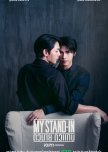
Ten over Ten
Honestly, My Stand-In is one of those BL series I just can’t seem to let go of! 😭❤️ Starring Up Poompat Iam-samang as Ming and Poom Phuripan Sapsangsawat as Joe, this series gave me everything—emotion, drama, heartbreak, chemistry, and a storyline that kept me completely hooked.The chemistry between Up and Poom is just something else! Their acting made the emotions feel so real, and every episode had me feeling something. I’ve actually lost count of how many times I’ve gone back to rewatch this series because apparently, I’m still not ready to drop it. 😂❤️
For me, My Stand-In is an easy 10/10. No matter how many times I watch it, it still hits the same. Definitely one of those series I’ll keep coming back to! 🥹🔥
Was this review helpful to you?

This review may contain spoilers
A Great Premise Sacrificed on the Altar of Narrative Inconsistency
[Italian Version Below / Versione Italiana in Basso]ENG
Taxi Driver starts with immense potential: dynamic direction, high-level action sequences, and a cathartic premise that instantly hooks the viewer. However, the series suffers from a noticeable drop in quality in its second half, where shaky writing ultimately compromises the integrity of the entire show.
~ Script and Conceptual Flaws ~
The Oxymoron of "Moral Revenge": The show's biggest conceptual flaw lies in its attempt to justify the protagonists' actions under a veneer of ethical superiority. The series tries to sell the idea of a "clean" or "moral" revenge, but falls into blatant hypocrisy: locking people in illegal underground dungeons and delegating their custody to the underworld isn't a moral choice — it's just another form of unregulated violence. Demanding that characters keep their hands ethically clean while acting outside the law creates a constant ideological short circuit.
Forced Plot Devices and Last-Minute Shortcuts: In the final episodes, the plot gets tangled in an accumulation of unrealistic coincidences. The handling of the serial killer’s crimes, the introduction of a copycat/fake culprit to cover up previous plot holes, and placing all key characters in the exact same location reveal lazy writing that relies on cheap shortcuts to force the pieces together.
Editing and Clunky Flashbacks: The pacing suffers heavily from a messy management of timelines. Flashbacks are shoved into the middle of scenes without clear visual or narrative cues, creating confusion between events from twenty years ago, recent developments, and shifting character perspectives.
Inconsistent Character Arcs: The prosecutor’s journey symbolizes the script's compromises. After 15 episodes spent defending the rule of law and formal justice, her sudden endorsement of the vigilantes — while retaining her official position — invalidates the core ideological clash the show tried to build on.
~ The Final Verdict ~
Taxi Driver remains an enjoyable piece of entertainment on a purely visual and action level, but it fails when it tries to lecture the audience on morality. Had it coherently embraced the dark, morally gray nature of a true revenge drama — without searching for ethical excuses for its leads — it would have left a much stronger impact. A decent watch for the action, but a disappointment for anyone looking for solid, consistent writing.
---
ITA
Una grande premessa sacrificata sull'altare dell'incoerenza narrativa
Taxi Driver parte con un potenziale immenso: una regia dinamica, sequenze d'azione di alto livello e una premessa catartica che cattura immediatamente lo spettatore. Tuttavia, la serie soffre di un notevole calo di qualità nella seconda metà, dove una scrittura traballante finisce per compromettere l'integrità dell'intero show.
~ Difetti di Sceneggiatura e Concettuali ~
L'Ossimoro della "Vendetta Morale": Il più grande difetto concettuale dello show risiede nel tentativo di giustificare le azioni dei protagonisti sotto una patina di superiorità etica. La serie cerca di vendere l'idea di una vendetta "pulita" o "morale", ma cade in una palese ipocrisia: rinchiudere le persone in prigioni sotterranee illegali e delegarne la custodia alla malavita non è una scelta morale — è solo un'altra forma di violenza non regolamentata. Pretendere che i personaggi mantengano le mani eticamente pulite mentre agiscono al di fuori della legge crea un costante cortocircuito ideologico.
Espedienti di Trama Forzati e Scorciatoie dell'Ultimo Minuto: Negli episodi finali, la trama si aggroviglia in un accumulo di coincidenze irrealistiche. La gestione dei crimini del serial killer, l'introduzione di un emulatore/falso colpevole per coprire i precedenti buchi di trama e il posizionamento di tutti i personaggi chiave nello stesso identico luogo rivelano una scrittura pigra, che ricorre a scorciatoie di poco conto pur di far combaciare i pezzi.
Montaggio e Flashback Pasticciati: Il ritmo soffre enormemente per via di una gestione confusa delle linee temporali. I flashback vengono infilati a forza in mezzo alle scene senza chiari segnali visivi o narrativi, creando confusione tra eventi di vent'anni prima, sviluppi recenti e continui cambi di prospettiva dei personaggi.
Archi dei Personaggi Incoerenti: Il percorso della PM simboleggia i compromessi della sceneggiatura. Dopo 15 episodi passati a difendere lo stato di diritto e la giustizia formale, il suo improvviso sostegno ai vigilanti — pur mantenendo la sua carica ufficiale — invalida lo scontro ideologico centrale su cui lo show aveva cercato di costruirsi.
~ Il Giudizio Finale ~
Taxi Driver resta un prodotto piacevole sul piano puramente visivo e dell'azione, ma fallisce quando cerca di fare la morale al pubblico. Se avesse abbracciato con coerenza la natura grigia e oscura di un vero revenge drama — senza cercare scuse etiche per i suoi protagonisti — avrebbe lasciato un segno molto più profondo. Una visione discreta per l'azione, ma una delusione per chiunque cerchi una scrittura solida e coerente.
Was this review helpful to you?

This review may contain spoilers
Overall Rating: 4/10 as a romance, 10/10 as an involuntary comedy and rage-bait generator.
[Italian Version Below / Versione Italiana in Basso]ENG
A romantic comedy that aims to celebrate talent, convenience store sweets, and Christmas magic, but quickly devolves into a masterclass in the complete absence of romantic ethics and basic interpersonal communication.
~ The Protagonists: The Scorecard ~
Kiki Inoue (The Queen of Emotional Illiteracy)
Score: 1/10
Analysis: Drifts through space and time for ten episodes without ever making a single adult decision. Uses people as emotional crash pads, applies a "restaurant menu" logic to human feelings, and acts bewildered when others hold her accountable. Her vocabulary during moments of peak emotional tension is strictly limited to two words: "Gomen" (Sorry) and "Arigatō" (Thank you). A character saved strictly by a script that mistakes passive selfishness for "purity".
Takumi Asaba / The CEO (The Arrogant Party-Crasher)
Score: 4/10
Analysis: Starts as a ruthless corporate manager in a sharp suit and ends up demoted to driving a food truck around neighborhood streets. Displays zero respect for lifelong brotherly loyalty: sends sneaky text messages to his childhood best friend's girlfriend, crashes other people's dates to make public declarations, and then chickens out right when it's time to confess. Awarded a kiss on the bridge at the end solely due to main-character privilege.
Makoto Shintani (The Martyr Pastry Chef)
Score: 10/10 for patience | 2/10 for self-esteem
Analysis: The most tragic character in modern television. Acts as therapist, backup plan, cheerleader, and human shield. He even reaches the point of diagnosing his own relationship's demise at a café, actively urging his girlfriend to run into the rival's arms. Deserves a medal of honor and a restraining order against the two main leads.
~ Cult Moments of Pure Trash ~
The Toxic Friendship Triangle: Every unwritten rule between childhood friends who grew up like brothers is ruthlessly violated. Years of genuine affection sacrificed for the doubts of a girl who just wanted a safe rebound.
The Showdown at the Café: Kiki sits in silence for three whole minutes, waiting for Makoto to break up with himself, wrapping up the whole thing with a pathetic "Gomen" (Sorry) and darting off immediately after an "Arigatō" (Thank you).
The Ultimate Finale Cliché: Slow-motion running, meeting on the bridge, the girl taking the initiative for the kiss, and elementary school kids shouting "They're kissing!". A level of sugar content high enough to trigger type 2 diabetes through the screen.
~ The Final Verdict ~
A series designed to warm hearts at Christmas that achieves the exact opposite: raising your blood pressure, making you root for face-slapping pastries across the bakery, and making you rethink the entire concept of romance. Best watched exclusively with a cynical friend by your side to roast every single moment.
---
ITA
Voto Globale: 4/10 come storia d'amore, 10/10 come commedia involontaria e generatore di rabbia.
Una commedia romantica che punta a celebrare il talento, i dolci dei convenience store e la magia del Natale, ma che scivola rapidamente in una lezione magistrale sulla totale assenza di etica sentimentale e di comunicazione interpersonale di base.
~ I Protagonisti: La Pagella ~
Kiki Inoue (La regina dell'analfabetismo emotivo)
Voto: 1/10
Analisi: Vagabonda nello spazio e nel tempo per dieci episodi senza mai prendere una singola decisione da persona adulta. Usa le persone come cuscinetti emotivi per ammortizzare le proprie cadute, applica una logica da "menu del ristorante" ai sentimenti umani e cade dalle nuvole quando gli altri le chiedono conto delle sue azioni. Il suo vocabolario nei momenti di massima tensione emotiva è strettamente limitato a due parole: "Gomen" (Scusa) e "Arigatō" (Grazie). Un personaggio salvato esclusivamente da una sceneggiatura che scambia l'egoismo passivo per "purezza".
Takumi Asaba / Il CEO (L'arrogante guastafeste)
Voto: 4/10
Analisi: Inizia come spietato manager aziendale in abito elegante e finisce retrocesso a guidare un food truck per le vie del quartiere. Dimostra zero rispetto per una fratellanza di una vita: manda messaggini subdoli alla fidanzata del suo migliore amico d'infanzia, si intromette agli appuntamenti altrui per fare dichiarazioni pubbliche e poi si tira indietro proprio sul più bello. Gli viene concesso il bacio sul ponte finale solo ed esclusivamente per il privilegio da protagonista.
Makoto Shintani (Il pasticcere martire)
Voto: 10/10 per la pazienza | 2/10 per l'autostima
Analisi: Il personaggio più tragico della televisione moderna. Fa da terapeuta, piano di riserva, cheerleader e scudo umano. Arriva persino al punto di diagnosticare la fine della sua stessa relazione al bar, spronando attivamente la fidanzata a correre tra le braccia del rivale. Merita una medaglia al valore e un ordine di allontanamento contro i due protagonisti.
~ Momenti Cult di Puro Trash ~
Il triangolo d'amicizia tossico: Ogni regola non scritta tra amici d'infanzia cresciuti come fratelli viene calpestata senza pietà. Anni di affetto sincero sacrificati per i dubbi di una ragazza che voleva solo una ruota di scorta sicura.
La resa dei conti al bar: Kiki sta in silenzio per tre minuti interi, aspettando che Makoto si lasci da solo, liquidando il tutto con un patetico "Gomen" (Scusa) e schizzando via subito dopo un "Arigatō" (Grazie).
Il cliché finale definitivo: Corsa al rallentatore, incontro sul ponte, lei che prende l'iniziativa per il bacio e i bambini delle elementari che urlano "Si stanno baciando!". Un livello di glicemia tale da provocare il diabete di tipo 2 direttamente attraverso lo schermo.
~ Il Giudizio Finale ~
Una serie pensata per scaldare i cuori a Natale che ottiene l'effetto opposto: fa salire la pressione sanguigna, ti fa tifare per le torte in faccia dentro il laboratorio di pasticceria e ti fa riconsiderare l'intero concetto di romanticismo. Da guardare esclusivamente con un amico cinico al fianco per massacrare ogni singolo minuto.
Was this review helpful to you?

This review may contain spoilers
Chronicles of a Bureaucratic-Romantic Nightmare
[Italian Version Below / Versione Italiana in Basso]ENG
When you start a romantic comedy, you look for lightness, relatable charm, and credible chemistry. Put Your Head On My Shoulder promised exactly that; what it delivered instead was a manual on reverse-engineering human relationships, eventually descending into pure bureaucratic fantasy.
~ The Characters: Anatomy of a Relationship Disaster ~
Gu Wei Yi (The Walking Protocol)
Introduced as a physics genius, he turns out to be entirely incapable of processing emotions without an instruction manual. When faced with intimacy, he doesn't use empathy; instead, he pulls all-nighters studying female anatomy on his laptop as if preparing for a government safety inspection. His loyalty algorithm is flawless — he is completely blind to every other woman in the universe — but his relational reading skills are on par with an unplugged toaster. His curse? Devoting blind loyalty to someone who hasn't the slightest clue how to handle it.
Si Tu Mo (The Bureaucratic "Breadstick")
She has the emotional depth of a breadstick and the flexibility of a lamppost. For 22 episodes, she oscillates between total passivity and passive-aggressive outbursts. She berates her partner for his lack of initiative, but when he tries to give her a simple comforting hug after a bad day at work, she shoves him away, accusing him of "only wanting one thing" (after an entire year of forced celibacy). A character devoid of emotional maturity who uses sulking as her primary form of communication.
Fu Pei & The Roommates
The indecisive ex-boyfriend is dug up in the last 15 minutes solely to be redeemed and rushed to the altar in yet another rushed clearance sale of the supporting cast. The German roommates in the Munich flatshare complete the picture, serving as bewildered extras in the face of the female lead’s total logistical illegality.
~ Critique of the Screenplay: Why the Structure Is a Failure ~
1. The Agony of the "Stretched Plot" (The 24-Episode Problem)
The standard 16-episode format (typical of classic K-Dramas) would have saved this show. To stretch the plot across 24 episodes, the writers factory-reset the characters' brains every two episodes, forcing them to regress to a toddler's mental age just to manufacture artificial conflict. As a result, the viewer stops rooting for the couple and starts praying for the show to end.
2. The Last-Minute Short Circuit
In the final two episodes, the writing abandons all logic to cram every remaining cliché in the warehouse into the plot:
- An abrupt study-abroad scholarship in Germany.
- The flawless rival (Hannah, the blonde daughter of the professor).
- The opportunistic return of the ex.
- The inevitable "airport drama."
3. The Complete Suspension of Physics and Logistics
The climax of absurdity occurs with a transcontinental flight crossover above Siberia: he flies back to China to tend to her mild fever; she flies to Munich to force him into marriage. Si Tu Mo lands in Germany, illegally breaks into a student flatshare, and slips directly under Gu Wei Yi's bedsheets. When he walks into his room and notices a body in his bed, instead of checking who it is, he marches over to his roommate and angrily accuses him of bringing girls into his room. The roommate’s response ("Actually... that’s your girlfriend") reaches unmatched levels of tragicomedy.
4. The Marriage Scam and Bureaucratic Consent
The marriage doesn't stem from a romantic proposal, but from a kidnapped-style trick: he drags her into a German Catholic church by lying that they are attending "free English lessons." She only realizes what is happening halfway through the mass, passively goes along with it out of sheer intellectual laziness, and still finds a way to throw a tantrum because she isn't wearing the right dress. To top it all off, there aren't even any wedding rings.
The long-awaited consummation stays true to the show's tone: zero passion, just a formal request for verbal authorization before proceeding — much like signing an informed consent form.
~ The Finale and Verdict ~
The show bids farewell with the unmissable 5-year time skip: glossy photos in actual wedding attire, cut to the living room couch where a screaming 5-year-old is demanding fruit juice.
Gu Wei Yi’s cosmic karma is finally complete: he is condemned to spend the rest of his life managing two generations of screaming "breadsticks" demanding instant attention and juice on command.
In conclusion: a show that started as a cute forced-cohabitation comedy and ended as a treatise on pure nonsense. If you are looking for a mature love story, look elsewhere. If you want a crash course on how not to write human characters, you’ve found your masterpiece.
---
ITA
Cronaca di un incubo burocratico-romantico
Quando inizi una commedia romantica, cerchi leggerezza, un fascino in cui immedesimarti e una chimica credibile. Put Your Head On My Shoulder prometteva esattamente questo; ciò che ha consegnato, invece, è stato un manuale su come smontare pezzo per pezzo le relazioni umane, scivolando infine nella pura fantasia burocratica.
~ I Personaggi: Anatomia di un disastro relazionale ~
Gu Wei Yi (Il protocollo vivente)
Presentato come un genio della fisica, si rivela del tutto incapace di elaborare le emozioni senza un libretto di istruzioni. Di fronte all'intimità non usa l'empatia; preferisce invece passare le notti in bianco a studiare l'anatomia femminile sul laptop come se si stesse preparando per un'ispezione statale sulla sicurezza. Il suo algoritmo di fedeltà è impeccabile — è completamente cieco verso qualsiasi altra donna dell'universo — ma le sue capacità di lettura relazionale sono al livello di un tostapane scollegato dalla presa. La sua condanna? Dedicare una fedeltà cieca a qualcuno che non ha la minima idea di come gestirla.
Si Tu Mo (Il "grissino" burocratico)
Ha lo spessore emotivo di un grissino e la flessibilità di un lampione. Per 22 episodi oscilla tra una passività totale ed esplosioni passivo-aggressive. Rimprovera il partner per la mancanza di iniziativa, ma quando lui prova a darle un semplice abbraccio di conforto dopo una brutta giornata di lavoro, lo spinge via accusandolo di "volere solo una cosa" (dopo un intero anno di celibato forzato). Un personaggio privo di maturità emotiva che usa il tenere il muso come forma primaria di comunicazione.
Fu Pei & I Coinquilini
L'ex fidanzato indeciso viene riesumato negli ultimi 15 minuti al solo scopo di essere redento e spedito di corsa all'altare nell'ennesima svendita affrettata del cast secondario. I coinquilini tedeschi nell'appartamento di Monaco completano il quadro, facendo da comparse perplesse di fronte alla totale illegalità logistica della protagonista.
~ Critica alla Sceneggiatura: Perché la struttura è un fallimento ~
1. L'agonia della "trama allungata" (Il problema dei 24 episodi)
Il formato standard da 16 episodi (tipico dei K-Drama classici) avrebbe salvato questo show. Per spalmare la trama su 24 episodi, gli sceneggiatori hanno resettato il cervello dei personaggi ogni due puntate, costringendoli a regredire all'età mentale di un neonato pur di fabbricare conflitti artificiali. Di conseguenza, lo spettatore smette di tifare per la coppia e inizia a pregare che la serie finisca.
2. Il cortocircuito finale
Negli ultimi due episodi, la scrittura abbandona ogni logica per stipare nella trama tutti i cliché rimasti in magazzino:
- Un'improvvisa borsa di studio all'estero in Germania.
- La rivale impeccabile (Hannah, la figlia bionda del professore).
- L'opportunistico ritorno dell'ex.
- L'inevitabile "dramma all'aeroporto".
3. La totale sospensione della fisica e della logistica
Il picco dell'assurdo si raggiunge con un incrocio di voli transcontinentali sopra la Siberia: lui vola in Cina per curarle una febbriciattola; lei vola a Monaco per costringerlo al matrimonio. Si Tu Mo sbarca in Germania, s'introduce abusivamente in uno studentato e s'infila direttamente sotto le coperte di Gu Wei Yi. Quando lui entra in camera e nota un corpo nel suo letto, invece di controllare chi sia, va furioso dal coinquilino accusandolo di portare ragazze in stanza. La risposta del coinquilino ("In realtà... è la tua fidanzata") raggiunge livelli ineguagliabili di tragicommedia.
4. La truffa del matrimonio e il consenso burocratico
Il matrimonio non nasce da una proposta romantica, ma da un inganno in stile rapimento: la trascina in una chiesa cattolica tedesca mentendole e dicendole che stanno andando a una "lezione gratuita di inglese". Lei capisce cosa sta succedendo solo a metà messa, asseconda il tutto con passività per pura pigrizia intellettuale, e trova comunque il modo di fare una scenata perché non indossa l'abito giusto. Per coronare il tutto, non ci sono nemmeno le fedi.
La tanto attesa consumazione resta fedele al tono dello show: zero passione, solo una richiesta formale di autorizzazione verbale prima di procedere — molto simile alla firma di un modulo per il consenso informato.
~ Il Finale e il Giudizio ~
Lo show si congeda con l'immancabile salto temporale di 5 anni: foto patinate in effettivo abito da sposa, stacco sul divano del soggiorno dove un bambino di 5 anni urlante pretende un succo di frutta.
Il karma cosmico di Gu Wei Yi è finalmente compiuto: è condannato a passare il resto della sua vita a gestire due generazioni di "grissini" strillanti che pretendono attenzione immediata e succo a comando.
In conclusione: uno show iniziato come una carina commedia sulla convivenza forzata e finito come un trattato sul no-sense puro. Se cercate una storia d'amore matura, guardate altrove. Se volete un corso accelerato su come non scrivere personaggi umani, avete trovato il vostro capolavoro.
Was this review helpful to you?

This review may contain spoilers
Sassy charm, chemistry, and an editor with deadline anxiety
[Italian Version Below / Versione Italiana in Basso]ENG
Liu Ling is a sassy, seemingly spoiled princess — shunned by her own family — who decides to set her sights on the unflappable and stern commander of the Imperial Guard, Shen Yan. What starts as bold, shameless flirting quickly evolves into a solid love story that must survive palace intrigues, rebellions, and power-obsessed fathers.
~ What Works Great ~
Lead Dynamics: No toxic romance or ridiculous misunderstandings dragging on for 10 episodes. Liu Ling knows what she wants, and Shen Yan — beneath his tough exterior — gives in with a delightful sense of mutual respect.
No Dead Weight Early On: Unlike typical 50-episode historical slogs, the story glides by effortlessly. It's funny, emotional, and the chemistry is off the charts.
The Final Gag: Closing with the kid on the roof while the parents bicker over who passed down the *"chaos demon"* gene is a relatable, top-tier comedic touch.
Happy Endings for Three: Despite the chaotic finale, the three couples reach their finish line (even if one carries that bittersweet aftertaste of the dropped red ribbon, hinting at a far-from-fairytale future).
~ The Sour Note: A Script Off the Rails ~
The real disaster hits in the last two episodes. Apparently, the writers realized they only had 24 episodes total when they were already at episode 20!
The result is a total logical and editing trainwreck:
Where did they go? The stepmother and stepsister (the root cause of all Liu Ling's misery) **literally vanish into thin air**. No arrest on screen, no final confrontation, nothing. Bye-bye.
Geopolitics in 30 Seconds: The foreign prince realizes the rebellion is doomed and dumps Liu Ling’s father mid-conflict as casually as stepping off a bus, leaving him to his tragic suicide before his ex-wife’s grave.
The 2x Speed Rule: In the final 40 minutes, the direction crams in: the end of a war, a thwarted coup, a suicide, grief, three weddings, a time skip, and the birth of a child.
~ The Final Verdict ~
*My Sassy Princess* is an extremely enjoyable C-drama, perfect if you're looking for a captivating love story without committing to an endless series. Unfortunately, it pays a heavy price for a production team that couldn't budget screen time properly, leaving behind embarrassing plot holes and a rushed finale.
If you can turn a blind eye to the editing magic tricks in the final episode, it remains one of the freshest and most entertaining historical rom-coms in recent years.
Recommended for: Fans of proactive female leads, flawless commanders who fall hard in love, and anyone with a high tolerance for endings written over a coffee break!
---
ITA
Fascino impertinente, chimica e un montatore con l'ansia da scadenza
Liu Ling è una principessa impertinente e apparentemente viziata — emarginata dalla sua stessa famiglia — che decide di mettere gli occhi sull'imperturbabile e severo comandante della Guardia Imperiale, Shen Yan. Quello che inizia come un flirt audace e sfacciato si trasforma rapidamente in una solida storia d'amore che dovrà sopravvivere a intrighi di palazzo, ribellioni e padri ossessionati dal potere.
~ Cosa Funziona Alla Grande ~
La Dinamica tra i Protagonisti: Nessun romanticismo tossico o ridicole incomprensioni trascinate per 10 episodi. Liu Ling sa cosa vuole e Shen Yan — sotto la sua scorza dura — cede con un delizioso senso di rispetto reciproco.
Niente Zavorre nella Prima Metà: A differenza dei tipici mattoni storici da 50 episodi, la storia scorre in modo fluido e leggero. È divertente, emozionante e la chimica è alle stelle.
La Gag Finale: Chiudere con il bambino sul tetto mentre i genitori litigano su chi abbia trasmesso il gene del "demone del caos" è un tocco comico geniale e azzeccatissimo.
Lieto Fine per Tre: Nonostante il finale caotico, tutte e tre le coppie raggiungono il traguardo (anche se una porta con sé l'amaro in bocca per il nastro rosso lasciato cadere, che fa presagire un futuro tutt'altro che da favola).
~ La Nota Dolente: Una Sceneggiatura Fuori dai Binari ~
Il vero disastro si consuma negli ultimi due episodi. A quanto pare, gli sceneggiatori si sono resi conto di avere solo 24 episodi in totale quando erano già arrivati al ventesimo!
Il risultato è un totale disastro logico e di montaggio:
Dove sono finite? La matrigna e la sorellastra (la causa primaria di tutte le sofferenze di Liu Ling) svaniscono letteralmente nel nulla. Nessun arresto a schermo, nessun confronto finale, niente. Ciao ciao.
Geopolitica in 30 Secondi: Il principe straniero capisce che la ribellione è spacciata e scarica il padre di Liu Ling a metà conflitto con la stessa nonchalance con cui si scende dall'autobus, lasciandolo al suo tragico suicidio davanti alla tomba dell'ex moglie.
La Regola del 2x: Negli ultimi 40 minuti, la regia stipa a forza: la fine di una guerra, un colpo di stato sventato, un suicidio, il lutto, tre matrimoni, un salto temporale e la nascita di un figlio.
~ Il Giudizio Finale ~
My Sassy Princess è un C-drama estremamente godibile, perfetto se cercate una storia d'amore avvincente senza dovervi impegnare in una serie infinita. Purtroppo paga un prezzo caro a causa di una squadra di produzione che non ha saputo gestire i tempi a disposizione, lasciandosi alle spalle buchi di trama imbarazzanti e un finale affrettato.
Se riuscite a chiudere un occhio sui giochi di prestigio del montaggio nell'ultimo episodio, resta una delle commedie romantiche storiche più fresche e divertenti degli ultimi anni.
Consigliato a: Fan delle protagoniste femminili intraprendenti, comandanti impeccabili che si innamorano persi e chiunque abbia un'elevata tolleranza per i finali scritti durante la pausa caffè!
Was this review helpful to you?


