


This review may contain spoilers
Good but not much of a thriller
I did like the movie though I wasn't aware of it being adapted from a game. But as a horror or psychological thriller, it wasn't at par with other movies. There are moments when it was creepy and weird but that's about it. So if you scare easily it won't be hard watching this.I liked the acting of the cast and it certainly made me curious to try and figure out what was happening. I'm not sure if I would recommend it to thriller lovers though.
The simplicity of the set was great and also how many things were done differently in each loop. They followed the game's design to a T!
Spoilers below.
I'm not sure if many viewers got the same understanding from the movie as I did because it seemed to be lost on a few YT reviewers that I saw. The ML is told by his ex that she is pregnant. She is at the hospital waiting for him to making a decision. And then everything that happened before or after is related to the baby. Him seeing a mother on the subway getting harassed because her baby is crying. Blood dripping from the walls and ceiling of the looped subway station as if to suggest death/murder/abortion. Baby in the locker. Him wondering if he'll be a good father and then seeing a small boy and trying to rescue him. The loop was designed so that he tells his ex to keep the baby and raise it with her. Japan has a big problem with their low birth rates and an aging population. From my perspective, this was pretty obviously baby propoganda And that is what I didn't like about it. Though I did like this one line criticising the work culture and monotonous lives the Japanese live but people are helpless unless the government actively makes changes. I thought the concept was good but it's an average film for its genre.
Was this review helpful to you?
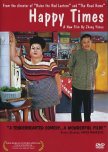
Middle-aged Zhao is determined to marry. Since skinny women aren’t interested in him, he’s turned his sights on plump women in hopes that he will find someone to keep him warm and satisfied. “Big Mom” agrees to marry him though she wants a 50,000 yuan/$7400 wedding to which Zhao agrees. The problem being he is stone cold broke. Friends he has borrowed money from previously are sympathetic, even though this is his 18th attempt at marriage, but don’t have the cash to loan. Big Mom has a blind stepdaughter she treats as a servant and asks Zhao to put her to work at his Happy Times Hotel. The hotel is actually an abandoned bus he and a friend cleaned up in the park to rent out to couples needing privacy. When that financial venture goes awry, he’s forced to manufacture a job for Wu Ying to keep up the illusion he has money so that he can marry her stepmother.
The first thirty minutes were a bit of a slog for me, but picked up when Zhao and Wu Ying ended up forced together. I was afraid they’d go for an inappropriate geezer romance. Thankfully, the duo took on more of a wholesome father-daughter vibe. Though someone needed to buy that girl a robe. Zhao was a good man at heart who bent the truth often in order to try and get ahead. His friends who were also financially challenged and a little peculiar accepted him as he was. The group of lovable losers came to like Wu Ying and did what they could to help her knowing their scam setup would be short lived at best. Big Mama, an expert in consumption, and her overly entitled son, were the annoying villains in this farce. Her selfishness and greed only highlighted Zhao’s desperation for a companion.
This odd, offbeat comedy had its humorous moments and others that fell flat. What was revealed as the story progressed were people capable of genuine kindness and friendship. Zhao and Wu Ying desired the best for each other even if they knew that their lives would be filled with hardship. Happy Times came all too briefly and usually occurred in the presence of loving friends, the gift that requires no wealth. Not one of Zhang Yi Mou’s stronger films, but still enjoyable.
9 May 2026
Housekeeping Note: My 1400th film
Was this review helpful to you?
This review may contain spoilers
How is this not mainstream??
It just became my favorite movie, I loved everything about this movie, cried my eyes out at some few points but that's what makes it so good. It so raw it draws out all the emotions in you, i felt everything the characters were feeling and understood it such an amazing ending .... I know I'll be rewatching this one way too many times from now.. So goodWas this review helpful to you?

Cute romcom to lift your spirit
Mentalese Express was one of the cutest short or full length romcom films I’ve seen in a long time. Filmed mostly in an authentic elevator recreation, the actors had to make the most of voice overs and tiny facial give aways.Ssu Tsen Li notices a handsome Japanese salaryman in the elevator she takes, a man she calls #27 for his office floor. Shinji Hayashi also notices the woman with a mole on her neck like his and pleasant-smelling hair. Terrified he’ll be deported from Taiwan for being a stalker or pervert for sniffing her hair, he begins to fear their morning elevator ride as much as he anticipates it.
This short film ran the gamut of relationship stages without either character speaking more than a word to each other. Two awkward puppies overthinking every aspect of their actions and non-actions placed both introverts into romantic hell as they desperately tried to find a way to approach the other person. They had an inadvertent helper in Cologne Man who realized early on that the two were attracted to each other. Oblivious Co-Worker provided a proper female foil and source of jealousy. A rich romantic microcosm existed within the confines of a metal box. Would definitely recommend this short film for anyone who enjoys romantic encounters of the introverted kind.
9 May 2026
Was this review helpful to you?

Highly recommended! Loved it!
Love 911 is a truly impressive film that blends romance, action, and emotion in a very natural way. The actors delivered outstanding performances—everything felt real, from their reactions to the situations they faced, to the way their relationship developed. Their chemistry was strong and balanced, making the story believable and engaging.What I appreciated most was the mix of friendship, love, and sacrifice. The film also highlights the demanding and dangerous professions of a firefighter and a doctor, showing the risks they face every day. This added depth and realism to the story.
The pacing is fast, so it never feels boring. The dynamic between the main characters is especially enjoyable—she is playful and lively, while he is more reserved and cold at first. This contrast makes their connection even more interesting.
Overall, Love 911 is a great film that I highly recommend. It’s emotional, intense, and beautifully acted.
Was this review helpful to you?

the whole movie was essentially a flashback to the prequels.
i really liked the first two parts of this franchise, they were cute, fluffy and the ship looked so nice together. however, I feel like this movie did not have much content of its own it only included flashbacks from the prequels and only a few new scenes. though the ending was good, it was just a little too boring going through the prequels in such depth which was not really needed.Was this review helpful to you?

nobleman carried chaos on another level
this movie was actually insane!!from the beginning it keeps messing with your head in the best way possible. every time you think you understand what is happening the story changes direction again and slowly starts revealing the truth piece by piece.. the way everything untangles feels so satisfying instead of confusing
the biggest highlight for me was definitely the nobleman character... his screen presence was crazy and every scene with him instantly became more intense... the acting overall was amazing because every character felt natural and believable without trying too hard
what makes this movie work so well is how smooothly everything flows... nothing feels rushed forced or unnecessarily dramatic... even the twists feel earned because the buildup is done properly and the tension keeps increasing until the end
also the production quality was top tier. cinematography action pacing soundtrack everything blended together perfectly and gave the movie such a stylish vibe without losing the emotional tension underneath
literally.. one of those movies that keeps you fully locked in from start to finish.. smart storytelling amazingg performances and a really satisfying payoff... definitely worth watching!!
Was this review helpful to you?

This review may contain spoilers
The movie was completely terrible from beginning to end. The story made no sense at all, and every scene felt disconnected like random clips put together without any planning. Nothing in the plot was believable, and the ending was so confusing that nobody in the theater even understood what happened.The acting was painfully bad. The actors looked bored and forgot how to express emotions properly. In emotional scenes, they laughed at the wrong time, and during action scenes, they moved so slowly that it looked fake and awkward. The dialogue sounded unnatural, like it was written by someone who had never heard real people speak before. Every conversation felt forced and meaningless.
The action scenes were also horrible. The punches never looked real, explosions appeared cheap, and the editing was messy. Sometimes characters magically teleported from one place to another without explanation. The fighting choreography looked unfinished, and the camera shaking made it impossible to understand what was happening. Instead of excitement, the scenes created frustration and headache.
The movie soundtrack did not help either. Sad music played during funny moments, and loud dramatic music interrupted simple conversations for no reason. The visual effects looked outdated and unfinished, almost like a low-budget school project.
Overall, this movie was a disaster. It wasted the audience’s time with bad storytelling, weak acting, terrible action, and confusing direction. It had no emotional impact, no memorable characters, and no real purpose. Watching this movie felt longer than it actually was, and it is definitely one of the worst movies ever made.
Was this review helpful to you?
This review may contain spoilers
The portrayal felt unfair and overly negative
I was disappointed with the way the movie handled its main character and overall topic. Instead of presenting the situation with balance and depth, the film relied too heavily on negativity and unfair treatment. The character was constantly portrayed in a harsh and unsympathetic way, making it difficult to connect emotionally with their journey. Rather than developing the character thoughtfully, the movie seemed more focused on creating drama through humiliation and suffering.What made it more frustrating was how certain important themes were handled without care or sensitivity. Some scenes felt exaggerated and unnecessarily cruel, which took away from the emotional impact the story could have had. A stronger script could have explored these issues in a more meaningful and respectful way, but the movie often chose shock value over genuine storytelling.
The performances from the actors were decent, but even good acting could not fully fix the weak character development and unfair narrative choices. By the end, the film left me feeling uncomfortable and dissatisfied instead of thoughtful or inspired. It had the potential to tell a powerful story, but the negative portrayal and poorly handled treatment of the character overshadowed everything else.
Overall, I would rate the movie poorly because of how unfairly it treated its characters and themes. While some viewers may appreciate the dramatic style, I personally found the storytelling frustrating, emotionally heavy, and lacking the balance needed to make the message truly effective.
Was this review helpful to you?

"The world must be a difficult place for a guy like you"
Yakusho Koji gave another brilliant performance in Under the Open Sky as an aging ex-con and former yakuza member. Known as the Brawler from Kobe, recently released Mikami Masao, had much to learn about the world outside of the crime families.At 60 years old, Mikami Masao is released after spending fourteen years in prison. He is determined to be through with his criminal ties and never go back to jail. With the help of a sympathetic lawyer, he is set up with a place to live and a modicum of government assistance. He suffers from severe hypertension limiting the few employment opportunities available to him. A television station wants to share his story, especially if they can reunite him with his mother on air. Mikami has lived much of his life on a set schedule with emotional and physical guardrails. Now he must learn to deal with the casual cruelty in the “civilized” general pop he is surrounded by without resorting to violence.
Unlike so many actors who have limited means of conveying expression, Yakusho Koji put on a master class of nuanced acting showing Koji’s every thought and response without the viewer catching him acting. You could feel Mikami’s frustration with the system that treated him like a pariah, coping with the disrespect he was often shown, realization that the world had moved on without him, and joy when he used his particular skill set on a pair of thugs. Mikami was forced to learn patience and self-control around people who were experts at eliciting angry responses. His own body forced him to his knees with debilitating hypertension. And Koji glided through every emotional speed bump and ditch expertly. I loved that Nishikawa didn’t make Mikami perfect. Though generally kind and generous at heart, Mikami had a temper and had no compunction against resolving problems or slights with his fists. Or a ladder.
Director Nishikawa Miwa based her script on the novel Mibuncho. She deftly exposed polite society’s ability to ostracize those who did not fit into a perfect mold. Unhappy people who followed the rules felt entitled to mock those who had strayed or were different. The yakuza was not glamorized and for the most part Mikami accepted responsibility for his troubles. The film also showed how difficult it is for ex-convicts to turn their lives around. Aside from personally changing their ways of handling conflict, they are faced with limited employment opportunities. Most businesses are reluctant to hire anyone who has been incarcerated. It’s not surprising that 50% of released prisoners end up back in jail within 5 years. It’s the same in my country. Once they’ve paid their debt to society, they still need to eat, have shelter, and a way to make a living and going back to the safety of what they are familiar with can be tempting. For Mikami, the crime families never looked down on him and made him feel small whereas he faced rejection constantly in society. Unlike many released convicts, he had a support system of people outside the crime world who came to care about him.
Having spent nearly half his life in prisons, Mikami Masao just wanted to be an ordinary person. What he found was a whole new set of rules. “Let it slide…Don’t get involved…Look out for yourself.” The weak and other were still bullied and preyed upon by “good” citizens, but in acceptable manners. He not only had to learn to trust and love again, but also to look the other way. I enjoyed this bittersweet story of Mikami’s resiliency and determination to change his life no matter the challenges and to seek out the beauty hidden under the open sky.
“You have to be patient out here. Patient with few rewards. But at least you can live under the open sky.”
8 May 2026
Trigger warnings: Bare bottoms and breasts but not in a gratuitous manner
Was this review helpful to you?

Masterpiece.
I’ll keep it brief. I’ve been watching BL for five years, and I don’t know if I’ve ever felt this way in my life before. It’s been five months since I watched 10 Dance, and I still find myself watching edits of this masterpiece.As a ballroom dancer, I was genuinely impressed by their dancing performance, it honestly felt like I was watching professionals. As for their chemistry, it was so powerful that I felt like I was watching a real life story of two people madly in love. They managed to portray every emotion their characters were supposed to feel in each scene perfectly.
Such an incredible movie.
Was this review helpful to you?
Emotional drama
With Tan Jian Ci, again a great storyline, amazing emotional drama that captures the heart. This is so well done, protecting the weak, and disadvantaged population as a goal. It is nice that it is a movie and not a series. All was well said in less than 2 hours.I usually watch most of Tan Jian Ci's series and as always this one is no exception, he takes on serious roles as well as comedy.
Was this review helpful to you?
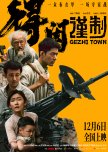
War, Chaos and Gallows Humor (done right)!
Gezhi Town is one of those war movies that completely catches you off guard. Going in, I expected a bleak wartime survival story, but what made the film stand out was how naturally it blended its heavy themes with gallows humor. The humor never took away from the tragedy of the situation, and if anything, it made the tension and desperation feel even more human.The story follows Mo Dexian (a civillian machinist (?) who helps military with their weapons) who escapes with his wife, son, great-grandfather, and a small group of civilians and soldiers to the isolated Gezhi Town while retreating during the war against the Japanese. For a while, the town almost feels weirdly peaceful despite everything going on, but then three Japanese soldiers suddenly show up and everything completely falls apart.
The best part of the movie for me was humor and the characters. Everyone felt very human and natural, and the interactions between them made the humor land even better. Even in the middle of all the tension and chaos, the movie kept throwing in these darkly funny moments that somehow felt realistic instead of forced.
One thing I really loved was the relationship between Mo Dexian and the army unit living in Gezhi Town alongside the civilians. The soldiers are honestly kind of incompetent for most of the movie; instead of actually fighting, they keep retreating and constantly rely on Mo Dexian for help, which clearly annoys and exhausts him. 😭 Their constant bickering and the contrast between Mo Dexian’s frustration and the soldiers’ cowardice made some of the funniest moments in the film.
But what made it even better is that the movie doesn’t leave them that way. By the end, when everything truly falls apart, the entire unit finally pulls themselves together and chooses to stand against the Japanese instead of running away again. That development made the emotional payoff hit much harder because you’ve already spent so much time laughing at how hopeless they were before.
The acting was also really good. Xiao Zhan and Peng Yuchang were both amazing and brought a lot of emotion and personality to their roles. The whole cast did a great job balancing the comedy and the heavier emotional narrative.
Overall, I really liked it. It’s dark, tense, emotional, and unexpectedly funny in a way that actually works really well.
Was this review helpful to you?

Fyeah anti-imperialism baddie
I really wanted to like this movie more than I did. The messaging was great. The characterisation was great. The politics was great. But despite Heneral Luna definitely engaging my brain, it just never quite hooked my emotion.The story follow General Luna as he wages a war of resistance against Americans who are conquering the Phillipines, after Spain sold them the country. It's not just the Americans he's up against. The headstrong, patriotic General Luna must also contend with Filipino in-fighting that comes with disastrous consequences.
The movie grapples with history and politics, dwelling on the tragedy that was internal Filipino betrayal. I can't really discuss the substance of it as I'm not really familiar with this chapter of history. However, it was this part of the film that I found intellectually engaging.
What I found lacking was the pull at the heartstrings. General Luna is portrayed as a rambunctious straight-shooter (with a soft spot for women) who powers his way through obstacles. But I didn't feel a particular emotional connection with his character, beyond his general frustration at the cowardice of his fellow countrymen. This may have been because of how the film is so consumed with him as a figure. There's little room for other characters to be properly fleshed out.
All in all, great film on Filipino history.
Was this review helpful to you?

This review may contain spoilers
Animated and Chaotic ?
I love this movie so much. I dont understand the low rating (7.3 as of writing). It was fun and campy. I was laughing at lots of the scenes. The actors did well in delivering these animated characters. Also had lots of references to iconic romance works (movie, series, anime).Though for me, the plot has a bit of work to do. I don't get why everyone was just fine with the platonic "I love you"-s that were given to them. But still, Anzu is someone who is full of pure love! She cares about everyone around her, and that's the only thing that matters for this movie.
And it would have been so cool if Saki also became a contender to Anzu's romantic prospects. Would've introduced a bit of diversity to the love aspect of the story.
Also, I love how they made use of Anzu's gamer quality in the resolution of the whole plot. Of course our girl chose the perfect ending with no loses.
100% would watch again. 110% if it's with friends.
Was this review helpful to you?


