

This review may contain spoilers
a beatifully realistic love ending
this movie has my whole heart i could rewatch it over and over, and my tears will never stop running down..there are some times when people just want to watch something heartwarming but also heartbreaking, and this is the perfect choice..
when you become aware of how life goes, you find out that the same way you found love, you’ll lose it no matter how.. and this is the realistic part about ‘man in love’. i kind of agree with the idea that she had lost him way too early, just when their garden started to bloom.. but this is literally how life works, we live briefly and it’s about time we’ll become bones.. no one is immortal, yet love is eternal..
the ML thought that it was the right choice to leave her suffer from a temporary heartbreak rather than seeing her suffer until the day she follows him to the grave.. and honestly, i would do the same thing..
do i recommend this?
Hell yes
Was this review helpful to you?

This review may contain spoilers
a jut at beauty standards
While many people think this movie is a disaster I think it is a beautiful and cruel portrayal of beauty standards.many of the scenes were quite unexpected and i was shocked at the amount of sex scenes there were. i felt the overall shifting between the present (when everything is basically over and its just the investigators) and to the past (where all the events were happening) was quite poorly done.
The cinematography, colour and actual camera shots were very pleasing to the eye. the sets were elaborate and reflected lilico's character, red and yet messy like her state of mind. While some say the butterflies were just tacky and misplaced, I think it accurately reflects lilico's state of mind, as this is her movie after all. Her deteriorating sanity and pent up jealousy causes her to rage on others wildly, and yet we see some glimpse of her in a rational state. Meeting her sister, realizing the surgery is ruining her body allows us to feel sorry for her, yet detest her foul actions. Sawajiri's acting is extremely realistic and I suspect is due to her own personal experience drugs and the entertainment/modelling industry. she was often high on filming sets and this movie directly addressed the emotions she might have felt being thrown into this toxic environment from such a young age.
an unsettling aspect of the movie is how lilico's assistant and her boyfriend seem to obey her every move. some may say this is unrealistic but i believe it is just a representation of how one can be blinded from beauty, especially mentally. the assistant constantly says 'your beautiful' and feels pleasure from getting compliments from lilico, and this transforms into infatuation that eventually muddles her sanity to comply with her every move. This seemed to me as an hyperbole for how many girls will do anything just for beauty that is not even attainable, at the cost of themselves.
Changing oneself for the sake of beauty is a major idea in this movie, as she is completely modified except for her 'eyeballs nails and pussy'. Yet when the Kozue comes in, this beauty standard is shifted towards her. Lilico only thought she was beautiful because people liked her. when she lost the attention, she spiralled out of control and lost her 'power' over everyone. but in reality did her looks change? she was still the same person. this movie just starkly emphasises the impossibility of being forever 'beautiful' by societal standards, and how your own self opinion is the most important.
While this movie came out in 2013, I think it was definitely ahead of its time concering plastic surgery. one day people will wish to change themselves so deeply they lose sense of themselves, yet the cold world keeps turning and no one cares.
Overall there was a lot to think about after watching this movie. I would recommend this, but watch out for some nasty scenes that might take u by surprise.
Was this review helpful to you?
This review may contain spoilers
A masterpiece of dignity and realism
I finally sat down to watch 𝗧𝗵𝗲 𝗞𝗶𝗻𝗴’𝘀 𝗪𝗮𝗿𝗱𝗲𝗻, and it left me completely floored. The film succeeds by taking a fragment of history and unfurling it with a calm, intimate breath. There are no provocative depictions or sensationalist distortions here; instead, the director relies on pure storytelling power to keep you pinned to your seat. It’s a testament to the production’s skill that they could create such a gripping experience through a lens that feels both grounded and deeply human. While some have pointed out flaws in the direction and pacing, I found that the performances were so immersive that those concerns never became a barrier for me. It is a rare gem that manages to be deeply moving without being manipulative.The heart of this movie belongs to 𝗬𝗼𝗼 𝗛𝗮𝗶𝗷𝗶𝗻 and 𝗣𝗮𝗿𝗸 𝗝𝗶𝗵𝗼𝗼𝗻. 𝗬𝗼𝗼 𝗛𝗮𝗶𝗷𝗶𝗻 starts with his signature comedic charm, but as the tragedy unfolds, his acting becomes almost cruelly good. He doesn't "perform" so much as he simply is the character. Unlike some actors who seem to shout, "𝘓𝘰𝘰𝘬 𝘢𝘵 𝘩𝘰𝘸 𝘮𝘶𝘤𝘩 𝘐'𝘮 𝘢𝘤𝘵𝘪𝘯𝘨!" through their over-the-top intensity, 𝗬𝗼𝗼 𝗛𝗮𝗶𝗷𝗶𝗻 carries the film’s weight with a quiet, documentary-like realism. He makes you laugh and cry in equal measure, leading the narrative without ever needing to show off.
However, the true revelation of the film is undoubtedly 𝗣𝗮𝗿𝗸 𝗝𝗶𝗵𝗼𝗼𝗻. I’ve been following his work since 2020, and his ability to convey raw emotion has always left me speechless, but this role is on another level. It is rare to see an actor so young command such genuine "Royal Dignity." While many can portray sorrow or warmth, capturing the undeniable presence of a King is a massive challenge. Even in scenes without a single word of dialogue, his eyes fill the screen and tell the entire story. Whether he was in a high-stakes moment hunting a tiger or laughing heartily with the villagers, his performance was breathtakingly regal.
Upon rewatching, the meal scenes hit the hardest. There is something profoundly moving about how the people of 𝗚𝘄𝗮𝗻𝗴𝗰𝗵𝗲𝗼𝗻𝗴𝗼𝗹 became a family to the orphaned 𝗗𝗮𝗻𝗷𝗼𝗻𝗴. Seeing them finally eat white rice—the very rice that 𝗗𝗮𝗻𝗷𝗼𝗻𝗴 himself shared with them—is enough to make anyone tear up. Alongside 𝗝𝗲𝗼𝗻 𝗠𝗶𝗱𝗼, who portrayed a character that was both a friend and a mother figure, the cast created a bond that made the inevitable conclusion even more painful to witness.
The casting across the board was remarkably immersive. The villagers looked and acted so authentically that it felt like the director could have told them to "𝘳𝘦𝘵𝘶𝘳𝘯 𝘵𝘰 𝘵𝘩𝘦 𝘑𝘰𝘴𝘦𝘰𝘯 𝘋𝘺𝘯𝘢𝘴𝘵𝘺" once the cameras stopped rolling. This level of detail is what sets the film apart. Even when certain character arcs felt a bit abrupt—like the shift in the "Bosu Owner" after the tiger encounter—the surrounding performances, particularly that of his son 𝗧𝗮𝗲𝘀𝗮𝗻, kept the emotional stakes high. Even 𝗟𝗲𝗲 𝗝𝘂𝗻𝗵𝘆𝘂𝗸, tackling the difficult role of a warrior, showed impressive growth, reminding us that portraying a seasoned martial artist is a hurdle all its own.
The ending of the film left me in a state of shock. I initially assumed the details of 𝗞𝗶𝗻𝗴 𝗗𝗮𝗻𝗷𝗼𝗻𝗴'𝘀 death were fictionalized for dramatic effect—believing such things couldn't possibly be true—but the final historical citations revealed the staggering reality. It was a somber reminder of how easily purity is exploited by the political maneuvering of men like 𝗛𝗮𝗻 𝗠𝘆𝗲𝗼𝗻𝗴𝗵𝗼𝗲. Yet, seeing that a flicker of human mercy remained in those final moments provided a small, bittersweet comfort.
They truly lived their roles. Even knowing the historical ending, the journey there felt fresh and heartbreaking. Because there are so few films dedicated to 𝗗𝗮𝗻𝗷𝗼𝗻𝗴'𝘀 story, this movie holds significant meaning regardless of its technical critiques.
Ultimately, this film feels like a perfect synergy between the cast and the emotional weight of history. Reaching a record 16 million viewers suggests that the audience is moving toward "serotonin-rich" stories that offer healing and reflection. If you are doubting whether to watch this movie because of the ratings, please give it a try. Turn it on, sit back, and live in the story with these incredible actors. You might just find yourself as captivated as I was. It was the perfect, soul-stirring way to conclude my week. 🫶✨
Was this review helpful to you?
Trust but verify
Dark Figure of Crime was based on the true story of a serial killer in the RoK who played a dangerous game of “where are the bodies?” with a narcotics detective. The killer was aware of how to manipulate the judicial system which made the detective’s job all the more challenging.Detective Kim Hyung Min receives a tip from an informants to meet up with a source who knows where a body has been buried. The source, Kang Tae Oh, is arrested for the murder of his girlfriend before Kim can follow-up on the tip. Kang contacts Kim from prison and promises tantalizing information about other people he has killed. He’s willing to parse out information for contraband and commissary money. Kang is hardly forthcoming with explicit information putting Kim’s job and reputation in jeopardy.
This film paced itself with the speed of a police investigation. The cops were not inept, though the original officers hardly dug very deeply into the missing persons reports they processed. Kim Yoon Seok perfectly encapsulated a dogged detective who was more concerned for the victims and their families than he was about promotions. Good thing, because at every turn someone in the department attempted to discourage Kim from researching the cold cases. His best ally was Detective Jo played by the reliable Jin Sun Kyu. Jo believed in what they were doing even though their cases began to drag him down professionally. Ju Ji Hoon gnawed through the furniture to capture Kang’s malevolent behavior giving much needed energy to the film.
While I enjoyed the thorough nature of the investigation, the ongoing minutiae wasn’t exactly riveting viewing. My biggest problem was that I found the characters, despite their determination, to be coldly detached from the events around them which lessened my connection to their struggles and triumphs. One particularly frustrating hole in the real-life judicial system was filled a year after this film came out. Murder no longer had a statute of limitations meaning criminals like Kang could be held responsible for the full measure of their crimes regardless of how much time had passed. If you enjoy police procedurals, this might be one to try as it had strong acting and followed the relentless work of a detective who refused to give up.
11 May 2026
Was this review helpful to you?
This review may contain spoilers
FORCED SAD ENDING ! Do better netflix please
Excellent premise, casting, acting, action scenes. But characters didn't have brain which was the most necessary. Main faults of this cinema were -1. When Lhan finally put knife in hunter's stomach, she should've slit his throat to make sure he's dead. She should've carried those 2 knifes also.
2. Pran threw that trans lady from up, when he could've easily killed her. Most big mistake.
3. Biggest mistake of Pran was to give her blood right then. When he saw that bullet wasn't in her body anymore, he should've stitched her wound first. He didn't. A pure brainless creature. He could've easily lived.
4. They never showed us why this family became killers. Also no background of M which we needed.
Was this review helpful to you?
This review may contain spoilers
love you a long time?!
all of us as humans, have our own merry ways of processing things and conveying how we feel about something through art.In this movie, the FL conveys her feelings and how she thought about them through her work, which is the longest part of the movie.
I really liked the movie and enjoyed watching it, because it had a different perspective…and it was all about communication between two people in love and how they felt about each other.
I would recommend giving this movie, a watch it will make you think and make you feel good and nice about things in life…
Was this review helpful to you?
This review may contain spoilers
A Monument to Collective Resistance
For me, "The Battle: Roar to Victory" refuses simple hero worship and shuns comparison with typical Hollywood blockbusters. Instead, it stands as a monument to the collective – to an identity forged from the resistance of ordinary people who were never meant to be soldiers.To truly "feel" this film, I guess, one must understand the world these characters inhabited. Following the official annexation in 1910, Korea lived under iron-fisted Japanese military rule. The turning point came just one year before the film’s events: On March 1, 1919, activists in Seoul read a Declaration of Independence, sparking the nationwide Samil Movement. Up to two million people protested peacefully for months. The colonial power’s response was sheer terror: mass arrests, torture, and brutal massacres, leaving thousands dead.
This KMovie picks up in 1920, where this trauma transitioned into a new phase. Despair over failed peaceful appeals to the international community gave way to the conviction that freedom could only be won by force. The film captures the moment when farmers, hunters, and traders transformed into a desperate but determined Independence Army. Women, too, are shown as an integral part of this – not just as couriers in the background, but as fighters on the front lines, shattering the strict social roles of the era.
The cinematography is grand, but never for its own sake. The jagged canyons of Bongo-dong become a character in themselves. To grasp this, one should know the significance of the tiger in Korea: it is the national symbol, and the shape of the Korean peninsula is often likened to a pouncing tiger. The film introduces this symbolism brutally through a scene with a Japanese commander and a slain tiger – a deliberate metaphor for the attempt to physically and culturally annihilate the Korean spirit.
But in the decisive battle, the tide turns. The "Valley of the Tiger’s Mouth" is more than a name; it is a tactical trap. Utilizing their superior knowledge of the terrain, the resistance lures the technologically advanced Japanese army into narrow, impassable gorges. Here, the modern military machine loses its power. It is as if the land itself – the Korean Tiger – closes its jaws and swallows the invaders. The mountains are not just a backdrop; they are the deadliest weapon of the resistance.
Technically, the film is a modern powerhouse. The action is brilliantly choreographed, yet the violence is drastic and unvarnished, making the brutality of the occupation almost physically palpable. While director Won Shin-yeon, occasionally breaks this tension with slapstick humor – which may feel jarring to Western viewers – this abrupt shift is a known stylistic device in Korean cinema to make the unbearable endurable.
Even the portrayal of the Japanese antagonists, which may seem one-dimensional at first, serves a deeper purpose. These figures represent a deep-seated collective wound in Korea’s cultural memory known as "Han" – a feeling of accumulated grief, resentment, and a burning desire for justice that was never fully resolved. Since the liberation was immediately followed by the Korean War and the division of the country, the trauma of colonization remained unhealed. The almost caricatured villainy is less a narrative weakness and more a stylized mirror of this multi-generational pain.
The film’s massive success in South Korea (over 4.7 million viewers) was no accident. Released near Liberation Day in 2019 during a period of renewed trade tensions with Japan, it struck a deep patriotic nerve.
My Verdict
Is there patriotism? Yes. Pathos? Plenty. But those who look beyond these genre conventions will find a powerful tribute to an unyielding collective identity – to the human identity in resistance. I´d say, the film reminds us that history is not just written by generals. It is written by the countless individuals willing to stand up for their freedom.
Was this review helpful to you?

Hotaru no Hikari: It's Only a Little Light in My Life
0 people found this review helpful
This review may contain spoilers
Really Gone Downhill
Was this movie even necessary? This show is so obsessed with marriage and weddings and idolizes the whole ordeal and puts it up on a pedestal. And then going to get married or honeymoon (do the writers even know the difference?) in Rome? Ok but then there’s this weird side story about Bucho getting faux-kidnapped but he’s really doing dance sessions in secret while cross dressing with a guy? And Hotaru thinks he’s kidnapped and goes all over Rome trying to find the dude and then she finds him having a jolly old time at some wedding and doesn’t care that she’s risked her life for him to save him because she thinks he’s kidnapped. But he just gives her a hug.. why didn’t he tell her where he was going? This part was so weird. And then the side story of Rio, the fellow Japanese Himono Onna who has become a lying, manipulative mess of a woman because her husband and kid died in an accident, so basically she’s turned into a shell of a person, a zombie if you will. I’ve seen this theme in many of the lower tier J Dramas- the idea that if a woman loses her husband and kid, they just turn into a shell of a human being, and zombified (the other series that does this is I’m Mita, Your Housekeeper). It’s a pathetic message to send to women that without your husband and kid, you’re nothing. Anyway, then these two Hotaru and Bucho get married in a Catholic Church with a priest who they don’t understand nor does he understand them. Is the marriage even valid? And then they come back home and Hotaru seems to be pregnant. YAWN. Same tired old story trying to glorify marriage and breeding. What garbage. Not impressed.Was this review helpful to you?
history is rarely kind but real
I’m not a big fan of dramas or movies that leave me sad and teary-eyed in the end, but I wanted to watch this film because of its significance in Korean history and because of Park Jihoon (known fo this role in Netflix’s Weak Hero Class. I’ve become a fan of this antithesis of the typical Asian lead actor. Jihoon is not particularly tall and he doesn’t have that stereotypical Korean leading-man face, but he has this puppy eyes that is full of emotion and his screen presence is undeniable and emotionally honest. Both PJH and Yoo Hai Jin deserves the Baeksang awards for their outstanding acting.This is the tragic story set during the 15th century Joseon era and the reign of King Danjong, a teenager who inherited the throne at a very young age after the death of his father. His uncle eventually took the throne from him, and the young king was exiled to a faraway land. The movie centers on two characters: the former king and the town chief who becomes his warden.
Even though we already know how the story ends, I truly enjoyed the evolution of the characters and the gradual friendship that develops between them. There are quiet moments in the film that touch your heart deeply and left both my wife and me very teary-eyed. Yet somehow, you leave the theater with a sense of warmth because, despite the tragedy, humanity still wins in the end.
It’s currently on limited release in the U.S., and we always enjoy driving to Koreatown to watch Korean films. It just feels more authentic somehow. The movie has been a huge hit in South Korea, and I completely understand why. I think many people could relate to the young king, his loneliness, helplessness, and quiet dignity
Was this review helpful to you?

This could have been great but sadly lacking
This feel like bromance so much, there is almost no chemistry or BL moments really, there are some sweet moments but nothing that leads you to watch to want the darkness of the storyline and little to no BL at all. There is a big lack in storyline flow and character chemistry, for which there is none. The storyline has some interesting moments but nothing to make you interested or want to continue to watch. This felt all like bromance with no intimate moments and lacking of the leads showing real chemistry or growth.Was this review helpful to you?
Boring.
Started watching this movie because FL won the best actress award. I've seen her in other dramas, where for me she has no talent at all. I wanted to give it a chance. I realized that no, is not better. Just a frighteningly thin body and a girlish behavior in all roles I don't consider her a talented actress. She can wear sexy dresses, but she doesn't own those either, her behavior is so strange... I never considered awards, because they started to be subjective. If she is a good actress I feel sorry for all the talented actresses in Korea. There are so many other absolutely talented actresses. And so much praise for mediocre.Plus this movie is boring. Not because is slowly as I like slowly movies . Doesn't have salt and pepper. I don't recommend it. You can relate as is a real life story and may resonate with you. a chapter of a love story, which closes with a chance meeting in the future. But honestly, I was left with nothing, in terms of insight.
Yap, is not my kind of tea. Story, actors.
It remind me also of the movie Past Lives from 2023. This one is great, slowly, mature, and deeply emotional exploration of love, fate, and longing. Honest storytelling.
The original cdrama me and them one is better. Invest your time in a good movie, a good drama. Give your time to better, to real acting. Surch for cinematography, for talent, for art.
Was this review helpful to you?
10000000000000000000/10!!!!!
AMAZING acting, AMAZING story!!!Jihoon and Yoo Haejin‘s actings are INCREDIBLE! I cried so much while watching it. It was so enjoyable and so worth watching, I didn‘t regret, even just a second. I love this movie so much, I am so glad they chose Park Jihoon as their main character / male lead. Park Jihoon‘s facial expression is so amazing, I cried just by looking into his eyes :( I will definetely rewatch this masterpiece, I finished watching it an hour ago but I am still not over it HAHAHA
Was this review helpful to you?
Follow journey of Don Quixote
Strong 8,5/10Quite an emotional movie and it even managed to make me feel a little sad.
The premise is straightforward and carries a clear Don Quixotish vibe.
The female lead is an arrogant director in trouble who finds a local man convinced he is Superman. She starts filming him because he is perfect content, something funny to exploit for her project.
At the beginning the whole thing plays like a joke. They follow him around because his “hero work” is entertaining and absurd. He lives in his own world, completely committed to his mission, and that is where the Don Quixote feeling appears right from the start. You watch a man on a personal quest that only he fully understands.
As the journey continues, the tone shifts. The director slowly realizes he is not putting on an act for the camera. He truly lives in his own heroic world, and the moments where his imagined feats overlap with ordinary reality make it clear that she misread him from the start.
What began as easy content turns into something heavier. She starts to sense there is a story behind him she never bothered to see, and the joke she wanted to film becomes something far more human.
Was this review helpful to you?
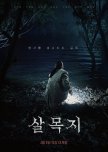
Immersive Sound Design: As the title suggests, sound is a character in its own right. The "whisper" of the water is mixed in a way that makes it seem to come from behind the viewer, creating a constant feeling that someone is right there, invisible.
Atmospheric Horror: The director avoids cheap jump scares. The fear in Whispering Water comes from anticipation, the use of empty spaces, and the bluish, cold cinematography that conveys an almost palpable sense of dampness and mold.
Central Performance: The protagonist delivers a raw performance, especially in scenes where the line between reality and the delirium caused by exhaustion and guilt dissolves.Symbolism: The film is a brilliant metaphor for the subconscious. The drying reservoir represents the mind that can no longer contain repressed secrets. Aesthetics: The beauty of the drone footage over the submerged ruins contrasts terribly with the horror unfolding on land.
Slow pacing: The film is a slow burn. It takes time to build tension, focusing more on the psychological disintegration of the characters than on frenetic action. Ambiguous ending: Following the trend of new Korean horror, the ending doesn't give away all the answers, requiring the viewer to piece together the metaphorical puzzle.
Salmokji: Whispering Water (2026) is a masterpiece of modern horror. It proves that the genre still has room for innovation by blending ancient legends with contemporary anxieties about trauma and responsibility. It's a film that, like the waters of a reservoir, will linger in your mind long after the credits roll.
Was this review helpful to you?
The story revolves around Elias, an elite assassin who operates under a strict code of conduct, and Sarah, an independent investigator who has just uncovered a corruption network involving Elias's clients. The "cat and mouse" cliché is elevated here by a crucial detail: they share a past that neither has been able to fully overcome. When Elias is tasked with eliminating the "obstacle" (which he discovers to be Sarah), the film abandons its pure action structure to delve into a psychological game of loyalty and betrayal.
Cutting-Edge Cinematography: The film utilizes camera technologies that make the fight sequences almost immersive. The art direction opts for cool, neon tones, creating a "cyber-noir" aesthetic that perfectly matches the characters' desolate atmosphere.
Chance Between the Protagonists: The film's greatest asset is its casting. The tension between the couple is built in silence, through glances and hesitations during the fights, making the romance more believable than the sometimes expository dialogue.
Action Choreography: Forget quick and confusing cuts. The fights here are fluid, brutal, and choreographed like a tragic dance, where each blow seems to carry an emotional weight.
My Dearest Assassin is an evolution of the genre. It understands that, in 2026, audiences want more than just explosions; they want to feel the anguish of characters forced to choose between duty and desire. It's a film about the scars that love leaves when forged in violence.
Was this review helpful to you?


